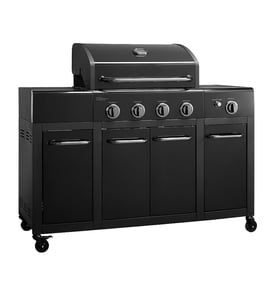
How old is a Weber GENESIS grill?
A Weber GENESIS grill can be anywhere from brand-new to several decades old because “GENESIS” is a long-running product line, not a single build year. If your grill is a GENESIS Silver C, that series was introduced in 2000, so those units are typically 25+ years old today.
How to estimate the age of your Weber GENESIS (model GENESIS)
Use these quick checks to narrow down the production era before you shop for gas grill parts like burners, flavorizer bars, ignition parts, or a pressure regulator.
- Look for a serial number and data label (often on the frame, inside the cabinet, or near the control panel).
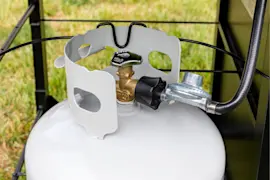
- Identify the fuel type (LP propane tank vs. natural gas hookup); conversion history can affect which valves and orifices you need.
- Note whether you have side burner hardware; some versions included it, others were add-ons.
- Compare your control panel layout: number of main burners, knob style, and igniter button location.
- Check for common age-related symptoms: uneven heating, hard starting, low flame, or flare-ups.
Quick timeline guide (high-level)
This helps set expectations when you are troubleshooting or planning a refresh.
| What you have | What it usually means | Typical next step |
|---|---|---|
| GENESIS Silver C branding | Introduced in 2000 | Inspect burners and ignition parts first |
| Older GENESIS with heavy wear | Often 15 to 30+ years old | Deep clean firebox and check gas flow |
| Newer GENESIS styling | More recent generation | Verify exact configuration before ordering |
Why it matters
Knowing the approximate age helps us match the right repair approach. Older gas grills commonly need a thorough cleaning of burner ports and venturi tubes, plus inspection of the igniter electrode, ignition module, and regulator to restore safe, consistent heat.
For step-by-step troubleshooting and maintenance tips, use our gas grill common questions resource.
Last updated: February 2026
Are Weber Genesis grills any good?
Yes. Weber GENESIS grills (including the GENESIS series) are known for solid build quality, reliable ignition and burners, and steady temperature control, which helps you get even cooking across the grate. They are a strong choice for frequent backyard grilling when you keep the burners and grease system clean.
What “any good” looks like in real use
Most owners judge a gas grill by heat consistency, flare-up control, and how long core components last. A Weber GENESIS typically performs well in these areas when it is maintained and used with proper preheat.
Common strengths people notice:
- Even heat across the main cooking area after a full preheat
- Predictable burner control for low-and-slow and high-heat searing
- Durable firebox and lid construction for long-term outdoor use
- Good parts availability over the life of the grill (burners, igniters, flavorizer bars, grates)
- Easy routine cleaning compared to many budget grills
Quick checklist before you buy or restore one
Use this list to decide if a Weber GENESIS is a good fit for your cooking style and space.
- You grill often (weekly or more) and want consistent results
- You want strong high-heat performance plus stable low temps
- You are willing to do basic upkeep (burner cleaning, grease tray checks)
- You have room for safe clearances around the grill
- You want a platform that supports common accessories (griddle, rotisserie, etc.)
Maintenance that keeps GENESIS performance “good”
A GENESIS grill’s performance depends heavily on airflow and clean fuel delivery.
| Task | How often | Why it matters |
|---|---|---|
| Preheat with lid closed | Every cook | Stabilizes temps and reduces sticking |
| Brush grates and clear debris | Every cook | Improves sear and reduces flare-ups |
| Clean burners and ports | Seasonally | Prevents uneven heating and weak flames |
| Empty grease catch area | As needed | Reduces flare-ups and smoke |
Why it matters
If you want repeatable results (searing, roasting, indirect cooking), a grill that holds steady heat and lights reliably saves time and food. That is the core reason many people consider the Weber GENESIS line “good.”
For grilling technique tips that help any GENESIS-STYLE gas grill cook better, use the secret to great grilling.
Last updated: February 2026
What is the life expectancy of a Weber Genesis grill?
A Weber GENESIS gas grill typically lasts 10 to 15 years with normal use. With consistent cleaning, proper storage, and timely replacement of wear items like burners and ignition parts, many GENESIS grills run strong beyond that range.
Typical lifespan (what we see most often)
Most GENESIS grills reach their full life when the firebox stays solid and the gas system stays clean and leak-free.
- 10 to 15 years: common for a well-maintained Weber GENESIS
- Shorter lifespan: heavy year-round exposure, salt air, or chronic grease buildup
- Longer lifespan: covered storage, regular deep cleaning, and replacing worn components early
What usually wears out first
These parts take the most heat, grease, and weather, so they tend to drive repair decisions.
- Burner tubes (rust-through, clogged ports, uneven flame)
- Flavorizer bars or heat plates (corrosion, warping)
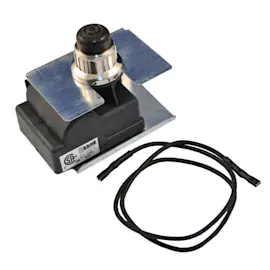
- Ignition system (electrode, wires, ignition module)
- Cooking grates (pitting, flaking, excessive rust)
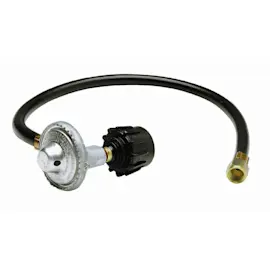
- Regulator or hose (cracking, restricted flow)
Maintenance that extends life the most
A few habits make a big difference in preventing flare-ups, corrosion, and uneven heating.
- Brush grates after preheat; scrape the cook box as needed
- Keep the grease tray and drip path clear to reduce flare-ups
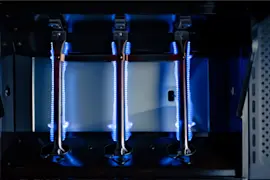
- Check burner flames for even blue flame and consistent carryover
- Inspect hoses for cracks; do a quick leak check after tank changes
- Use a fitted cover and keep the grill out of standing water
Quick guide: what “end of life” looks like vs repairable
| Symptom | Most likely cause | Usually fixable? |
|---|---|---|
| Uneven heat across the grill | clogged or rusted burners, dirty flavorizer bars | Yes |
| Won’t ignite but lights with a match | ignition electrode/module issue | Yes |
| Low flame on all burners | regulator/flow restriction, tank issue, valve debris | Often |
| Firebox badly rusted through | structural corrosion | No |
Why it matters
Knowing the typical life expectancy helps you decide whether to deep-clean and tune the grill, replace key components (burners, ignition, regulator), or plan for a full replacement when the firebox or frame is no longer sound.
For more maintenance and performance tips, use our gas grill common questions and how to clean a gas grill video resources.
Last updated: February 2026
How big is the Weber GENESIS?
For the Weber GENESIS (GENESIS Silver C cart-style gas grill), the overall size is about 64.5 inches wide x 30 inches deep x 46 inches high with the lid closed. Use these measurements to confirm patio clearance, storage fit, and grill cover sizing.
Dimensions to use (and what they mean)
- Width (side-to-side): 64.5 inches (includes side shelves)
- Depth (front-to-back): 30 inches (includes control panel and handle overhang)
- Height (lid closed): 46 inches (to the highest point)
How we recommend measuring your grill
Measure with the grill on a flat surface and the lid fully closed.
- Measure width at the widest point (usually shelf edge to shelf edge).
- Measure depth from the front-most point (often the control knobs) to the back-most point.
- Measure height from the ground to the highest point (often the lid handle or thermometer).
- If you are buying a cover, measure with side tables in their normal position.
Quick sizing guide
| What you are sizing for | Use these measurements | Add this clearance |
|---|---|---|
| Grill cover | Width, depth, height (lid closed) | A little extra for easy on and off |
| Patio placement | Width and depth | 6 to 12 inches around the grill for access and airflow |
| Storage (garage/shed) | Height and depth | Extra height if you store with lid open or on a mat |
Why it matters
Accurate dimensions help prevent buying a cover that is too tight, keep the grill accessible for safe lighting and shutdown, and ensure proper airflow around burners, the firebox, and the grease tray.
For more grill basics that help with fit, cleaning, and performance, use what are the main parts of a gas bbq grill.
Last updated: February 2026