 Installation guide


How to reset GE washer timer?
On the GE WJRR4170G1WW washer, the most reliable “timer reset” is a power reset: turn the cycle control to OFF, unplug the washer for 1 minute, then plug it back in and reselect your cycle. This clears minor control glitches and restores normal cycle selection.
Quick reset steps (mechanical timer style)
- Push the large dial in and set it to OFF.
- Unplug the washer (or switch the breaker off).
- Wait 60 seconds.
- Restore power.
- Select a cycle and pull the knob out (or start the cycle) to test.
- If the dial feels loose or slips, inspect the knob and clip.
If the timer still will not advance
These checks fix the most common “stuck timer” symptoms on top-load washers.
- Lid not registering closed: a failed lid switch can stop agitation or spin. Consider the washer lid switch assembly WH12X10334.
- Washer not draining: if water stays in the tub, many cycles will not move into spin. Check for a clogged drain hose or a failing washer drain pump assembly WH23X10030.
- Water fill issues: verify both faucets are open and household water pressure is adequate.
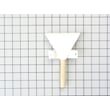
- Control knob slipping: a worn knob or retaining clip can make it seem like the timer is not working. Check the washer timer knob WH01X10310 and spring clip WH1X2117.
- Out-of-balance vibration: severe shaking can interrupt progress; confirm the washer is level and on firm flooring.
Specs from the installation requirements that affect “timer” behavior
Use these installation targets to prevent fill and drain problems that look like timer failure (see the installation guide).
| Item | Requirement |
|---|---|
| Water pressure | 10 to 150 psi |
| Hot water temp at washer | 120°F to 150°F (hot wash) |
| Standpipe/set tub drain height | 30 inches minimum; 8 feet maximum |
| Standpipe inside diameter | 1-1/2 inches minimum |
Why it matters
If the washer cannot fill, sense lid closed, or drain, the cycle can pause and the timer may appear “stuck.” Resetting power helps with minor glitches, but correcting the underlying fill, lid switch, or drain issue prevents repeat failures.
Last updated: February 2026
Is it cheaper to repair or replace a washing machine?
For your GE WJRR4170G1WW washer, it’s cheaper to repair when the machine is under about 8 years old and the fix is straightforward (like a lid switch or drain pump). Replacement makes more sense when the washer is 10+ years old or the repair approaches about half the cost of a comparable new washer.
Quick decision checklist
- Age of the washer: under 8 years usually favors repair; 10+ years often favors replacement
- Repair cost vs. new: repair is the better value when it’s under ~50% of replacement cost
- Type of failure: simple electrical or water-handling parts are usually economical
- Repeat problems: frequent breakdowns point toward replacement
- Performance issues: persistent vibration, leaking, or poor spin can signal larger wear items
- Downtime: if you need a fast fix, common in-stock parts can shorten turnaround
Common repairs that are often worth it on this model
These are typical “high-impact, reasonable-cost” repairs for a top-load washer like the WJRR4170G1WW:
- No start or stops mid-cycle: washer lid switch assembly WH12X10334
- Won’t drain or leaves water in tub: washer drain pump assembly WH23X10030
- Overfilling or odd fill levels: hose pressure switch WH41X365
- Excessive shaking or banging: washer suspension rod and spring assembly WH16X10057
Repair vs. replace: simple comparison
| Situation | Usually best choice | Why |
|---|---|---|
| Washer is under ~8 years old and needs one part | Repair | Lower cost, good remaining life |
| Washer is 10+ years old with multiple symptoms | Replace | Higher risk of follow-on failures |
| Leak plus loud roaring in spin | Replace (often) | Can involve tub seal/bearing and major labor |
| No drain or no start, otherwise normal | Repair | Common, contained repair |
Why it matters
A washer that’s installed correctly and maintained can run reliably for years, but big mechanical wear (tub seal, bearing, drive components) can turn into a high-labor repair. If you’re evaluating vibration or installation-related issues, confirm basics like firm flooring, proper drain height (not less than 30 inches), and correct electrical supply using the installation guide.
Last updated: February 2026
What is the most expensive part to replace on a washing machine?
On a GE washer like model WJRR4170G1WW, the most expensive repairs are typically major drive and tub components (drive shaft, outer tub, bearings) and sometimes electrical controls; these jobs cost the most because parts are pricey and labor is intensive.
Most expensive repairs we see most often
These are the repairs that commonly drive the highest total cost (parts plus labor):
- Drive system repairs (drive shaft, pulley, related hardware)
- Tub and spin system repairs (outer tub, tub seal, tub bearing)
- Water removal repairs when multiple parts are involved (pump plus leak-related parts)
- Electrical diagnosis and control repairs (varies by design)
- Suspension and balance repairs when several components are worn
Examples from GE WJRR4170G1WW parts
Here are a few high-impact parts for this model that often indicate a bigger repair when they fail:
| Repair area | Example part on this model | Why it gets expensive |
|---|---|---|
| Spin/drive shaft | Shaft WH38X10017 | High part cost; teardown to access |
| Outer tub | Extra large tub assembly WH45X20473 | Large assembly; significant disassembly |
| Bearing/seal | Tub bearing WH2X1198 and washer tub seal WH02X10383 | Labor-heavy; often replaced together |
Quick way to judge whether a “big repair” is likely
Use these symptoms to connect what you are seeing to the costly assemblies above:
- Loud roaring or grinding in spin: points to tub bearing or tub seal issues
- Water leaking from the center/bottom: often involves the tub seal and related tub components
- Won’t spin or weak spin with burning/rubber smell: can involve drive components
- Heavy banging or walking: suspension parts may be worn, or the washer may be unlevel
- Repeated no-drain situations: drain pump problems or a restriction
Why it matters
The most expensive washing machine repairs are usually the ones that require removing the tub or drive system. That extra teardown time is what makes bearing, seal, and tub jobs cost more than simpler fixes like a knob or hose.
Installation factors that can reduce repeat failures
A solid install helps prevent vibration-related wear and leak issues:
- Install on firm flooring (concrete is best)
- Keep the drain standpipe at least 30 inches high (and no more than 8 feet above the washer base)
- Use proper water pressure (10 to 150 psi)
- Level the washer carefully to reduce vibration
For model-specific setup details, follow the installation guide.
Last updated: February 2026
Where is the filter on my GE WJRR4170G1WW washing machine?
On the GE WJRR4170G1WW, there is no routine, user-accessible “filter” called out in the installation information; most owners who mean “filter” are looking for the drain pump clean-out (if equipped) or a drain-hose restriction. Use the installation guide to confirm your drain setup and access clearances before checking for a blockage.
What to check first (most common “filter” locations)
- Front lower area: Some washers have a small access panel for a drain pump clean-out; place towels down and open slowly if you find one.
- Drain hose path: Look for kinks, crushing, or a clog where the hose enters the standpipe or laundry tub.
- Standpipe height: The drain discharge point must be at least 30 inches high; an incorrect height can cause poor draining symptoms that feel like a “clogged filter.”
- Water inlet screens: If the issue is slow fill (not draining), check the tiny screens at the hose connections on the washer’s inlet valve.
- Lint or debris in the pump: If the washer won’t drain or leaves water behind, the pump area is the most likely restriction.
If you suspect a drain pump blockage
A “filter” cleaning video often shows the drain pump clean-out. If your WJRR4170G1WW is not draining, inspect the pump and hoses for coins, lint, or small clothing items. If the pump is damaged or seized, replacement is typically the fix.
Relevant part for this model:
Quick symptom-to-part guide
| Symptom | Most likely area | Common related part |
|---|---|---|
| Won’t drain, water left in tub | Drain pump or drain hose restriction | Washer drain pump assembly |
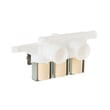
| Slow fill or no fill | Inlet screens or inlet valve | Washer water inlet valve |
| Stops when lid opens or won’t start spin | Lid switch circuit | Washer lid switch assembly |
Why it matters
Finding the correct “filter” location prevents unnecessary disassembly and helps avoid leaks. On many washers, the real issue is a drain restriction or pump problem, not a removable filter.
Last updated: February 2026


