Owner’s manual
 Error Codes



What is the average lifespan of an electric hot water tank?
Most electric tank-style water heaters, including the American E6240H045D, typically last 10 to 15 years. Lifespan depends most on water quality and maintenance; keeping sediment down and inspecting the anode rod on schedule helps the tank resist corrosion and avoid early leaks (see the owner's manual).
What most affects lifespan
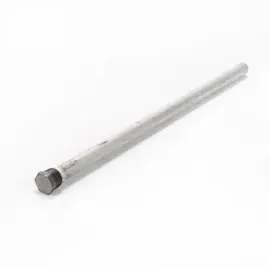
- Anode rod condition: the manual notes the anode rod protects the glass-lined tank from corrosion and should be inspected about every 3 years; replace it if more than 50% depleted.
- Sediment buildup: sediment can cause popping noises, reduce efficiency, and contribute to premature tank failure.
- Water chemistry: very hard water increases scale; artificially softened water can be more corrosive to the tank.
- Temperature setting: higher thermostat settings increase stress on components.
- Installation quality: correct electrical and piping connections reduce nuisance failures.
Typical lifespan ranges (what to expect)
| Water heater type | Typical lifespan | Notes |
|---|---|---|
| Electric tank water heater | 10 to 15 years | Most common residential style |
| Electric tank with heavy maintenance | 12 to 18 years | Regular flushing and anode checks |
| Electric tankless | 20+ years | Different design; not a tank |
Signs your tank is nearing end of life
- Water around the base of the tank or at fittings
- Rusty or discolored hot water
- Hot water runs out faster than it used to
- Rumbling or popping from heavy sediment
- Frequent thermostat reset trips or inconsistent temperature
Why it matters
A tank usually fails from internal corrosion after the anode rod is depleted. Staying ahead of anode and sediment issues helps you avoid sudden leaks and keeps heating elements and thermostats from working harder than necessary.
Last updated: February 2026
Why do plumbers charge so much to replace a water heater?
Plumbers charge more to replace an American E6240H045D electric water heater because the job includes more than swapping tanks: safe electrical shutoff, code-compliant piping, leak protection (often a drain pan and drain line), and full testing of temperature and pressure safety devices. See the owner's manual for location, drainage, and safety checklist details.
What you are paying for (typical scope)
- Removing and disposing of the old tank (often heavy and full of sediment)
- Bringing the installation up to local code (shutoff valves, bonding/grounding, clearances)
- Installing leak protection (drain pan, proper drain line pitch, freeze protection)
- Verifying safe operation (tank filled before power on, thermostat settings, no leaks)
- Testing safety components (temperature and pressure relief valve discharge routing)
Cost drivers that raise the total
Labor and materials vary, but these items commonly add cost:
- Electrical work: correct breaker sizing, grounding, and safe reconnection
- Plumbing materials: new connectors, fittings, dielectric unions, shutoff valve updates
- Site conditions: tight closets, attic installs, long pipe runs, or corrosion
- Water damage prevention: drain pan sizing and drain routing to an indoor drain
- Time and risk: draining, flushing, and dealing with seized fittings
Quick checklist to compare bids
Use this to make sure you are comparing the same scope of work.
| Item in the quote | Why it matters | What “good” looks like |
|---|---|---|
| Drain pan and drain line | Limits property damage from normal condensation or leaks | Pan sized correctly; drain line routed to an adequate drain |
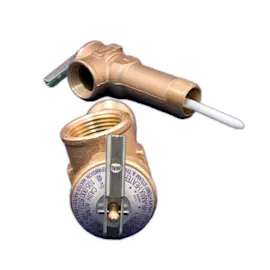
| T&P relief discharge line | Prevents scalding and water damage | Discharge line runs to an open drain and is protected from freezing |
| Electrical reconnection | Prevents shock and element damage | Proper grounding; correct breaker/fuse; power on only after tank is full |
| Thermostat setup | Controls comfort and safety | Set to the desired temperature (many homes target about 120°F) |
Why it matters
A water heater replacement is a safety-critical install. The manual for the E6240H045D calls out proper location, drainage, freeze protection, and a full installation checklist (including grounding and leak-free piping). Paying for a complete, code-compliant install helps prevent leaks, nuisance relief-valve dripping, and premature element or thermostat problems.
Last updated: February 2026
What is the average cost of a 40-gallon electric hot water heater?
A 40-gallon electric water heater typically costs $400 to $900+ for the tank (unit only). With professional installation, the total commonly lands around $1,000 to $2,500 depending on labor, code upgrades, and whether you choose standard, high-recovery, or hybrid features. For your American E6240H045D, use the owner's manual to confirm capacity and electrical requirements before buying.
Typical price ranges (unit vs. installed)
- Unit only (standard electric tank): $400 to $900+
- Installed total (unit + labor): $1,000 to $2,500
- Hybrid/heat pump models: usually higher than standard electric tanks
- Add-on costs: permits, expansion tank, shutoff valve, pan, new wiring/breaker, or plumbing updates
| What you’re paying for | Common range | What changes the price most |
|---|---|---|
| 40-gallon tank only | $400 to $900+ | warranty length, efficiency, smart features |
| Installation labor | $600 to $1,600 | access, local code, electrical/plumbing changes |
| Total installed | $1,000 to $2,500 | all of the above plus permit/parts |
What to check before you buy (so the price stays predictable)
- Voltage and breaker size for the existing circuit (electric water heaters often need a dedicated circuit)
- Wattage and element type (standard vs. high-recovery)
- Physical fit (height, diameter, and clearance for servicing)
- Plumbing connections (location and size of hot/cold lines)
- Local code items (drain pan, seismic strapping, expansion tank, discharge piping)
Why it matters
A “cheap” tank can become expensive if installation requires electrical upgrades or plumbing rework. Confirming specs first helps you compare apples-to-apples and avoid surprise labor charges.
Parts that affect performance (and replacement cost)
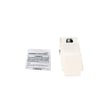
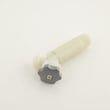
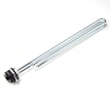
If you are pricing a replacement because of poor heating or temperature issues, these common service parts can factor into the decision:
Last updated: February 2026
What are the signs of a bad water heater?
For our American E6240H045D electric water heater, the most common signs of trouble are not enough hot water, fluctuating temperatures, unusual noises (popping or rumbling), smelly or discolored water, and any leaking around the tank or connections. These symptoms often point to sediment buildup, thermostat issues, or a failing heating element.
Quick signs to watch for
- No hot water or lukewarm water (often a heating element or thermostat problem)
- Water temperature swings during normal use (thermostat setting or control issue)
- Popping, rumbling, or cracking sounds during heat-up (sediment in the tank)
- “Rotten egg” odor or discoloration (anode rod reaction or depletion)
- Water around the heater (leaking fittings, drain valve, or tank corrosion)
- Relief valve dripping (needs immediate attention by a licensed plumber)
What the symptoms usually mean
| Symptom | Most likely cause | What we recommend first |
|---|---|---|
| No/low hot water | Failed element or thermostat | Check settings in the owner's manual; test components safely with power off |
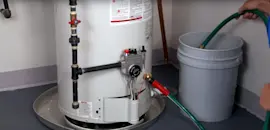
| Noise during heating | Sediment buildup | Drain and flush the tank (recommended every 6 months) |
| Odor in hot water | Anode rod reaction/depletion | Inspect anode about every 3 years; replace if over 50% depleted |
| Slow leak at bottom | Drain valve or tank issue | Inspect the drain valve 100109106 area and connections; replace valve if leaking |
Checks we recommend (safe, practical steps)
- Turn off power at the breaker before opening access panels.
- Confirm thermostat settings and reset if needed (many models have a red reset button behind the access cover).
- Listen for sediment noise; if present, drain and flush the tank.
- Inspect for leaks at the drain valve, piping connections, and around the base.
- Address odor correctly: the manual recommends inspecting the anode rod every 3 years and replacing it if more than 50% depleted.
Why it matters
Sediment buildup can cause louder operation and can contribute to premature tank failure; regular draining and flushing helps protect performance. The anode rod is also a key corrosion-protection part; once it is depleted, the tank can begin corroding and eventually leak.
Last updated: February 2026
What is usually the most common water heater problem?
The most common water heater problem is sediment buildup in the tank, which causes rumbling or popping noises, reduces efficiency, and can shorten tank life. On the American E6240H045D electric water heater, the next most common issues are “no hot water” or “not enough hot water” from a tripped reset or failed thermostat or heating element (see the owner's manual).
What you’ll notice first (common symptoms)
- Rumbling, popping, or crackling during heat-up (sediment on the tank bottom)
- Hot water runs out faster than normal (slow recovery)
- No hot water at all (power issue or high-temperature limit tripped)
- Fluctuating water temperature (thermostat calibration or sediment)
- Higher electric bills (sediment, thermostat set too high, or long hot-water runs)
Most common causes and the usual fix
| Symptom | Most likely cause | Typical next step |
|---|---|---|
| Rumbling/popping | Sediment or lime in tank | Drain and flush the tank (recommended every 6 months) |
| No hot water | Breaker/fuse off, high-temp limit open | Restore power; press the red reset button after correcting the cause |
| Not enough hot water | Thermostat set too low, sediment, lower element issue | Verify thermostat setting; flush tank; test/replace failed part |
| Slow recovery | Defective upper element or heavy sediment | Test element; flush tank |
Parts that commonly solve “no hot water” and “insufficient hot water”
If troubleshooting points to a failed control or heater, these model-matched parts are commonly involved:
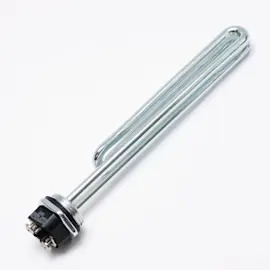
- Element 100108290 (heating element)
- Top t-stat 100108683 (upper thermostat)
- Lwr t-stat 100108421 (lower thermostat)
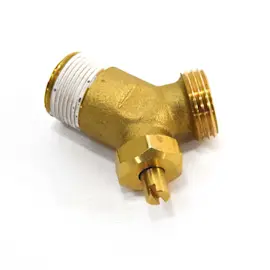
- Drain valve 100109106 (helps if the drain valve leaks or won’t close during flushing)
Why it matters
Sediment buildup does more than make noise; it insulates the heating element from the water, which drives up operating costs and can contribute to premature tank failure. Regular draining and flushing is the simplest maintenance step to keep your E6240H045D heating efficiently.
Last updated: February 2026