


How old is my furnace by model number?
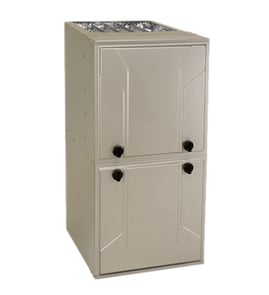
You usually cannot determine a furnace’s age from the model number alone. For your York upflow natural gas furnace model P3URD20N09501, the manufacturing date is typically encoded in the serial number on the rating plate, not in the model number.
Where to find the information you need
Look for the furnace rating plate (data tag) on the cabinet. Common locations include:
- Inside the burner compartment door
- On the inside wall of the blower compartment
- On a side panel near the gas valve or control board
- On the exterior cabinet near the electrical junction box
Write down both values exactly as shown:
- Model number: P3URD20N09501
- Serial number: (letters and numbers, often longer than the model number)
How York furnace serial numbers usually indicate age
York serial number formats vary by era, but most follow one of these patterns:
- Year and week are embedded in the first several characters
- Month and year are embedded in the first several characters
Quick decode guide (what to look for)
| What you see in the serial number | What it often means | What you can determine |
|---|---|---|
| Two digits that look like a year (example: 19, 20, 21) | Year of manufacture | Approximate age in years |
| Two digits that look like a week (01 to 52) | Week of manufacture | Build week within that year |
| A letter followed by numbers | Plant/sequence coding | Not used for age |
Why it matters
Knowing the build date helps you choose the right replacement parts (like an igniter, flame sensor, pressure switch, or control board), plan maintenance, and estimate remaining service life.
If you are trying to buy parts
Use the full model number and serial number when searching so we can match the correct furnace parts list. If you need help locating the model and serial tag, use our guide: how to find your appliance model number (and what it means for parts).
Last updated: February 2026
Should a 25 year old furnace be replaced?
Yes. At 25 years old, a York upflow natural gas furnace like model P3URD20N09501 is past the typical furnace lifespan (15 to 20 years), so replacement is the practical choice to improve reliability, efficiency, and comfort while reducing the chance of an in-season no-heat failure.
When replacement is the better move
If you are seeing any of the issues below, replacement is the most cost-effective path.
- Frequent repairs (especially repeated ignition, blower, or control problems)
- Rising heating bills compared with prior winters
- Uneven heat, long run times, or trouble maintaining set temperature
- Excessive noise (rattling, booming, or squealing from the inducer or blower)
- Rust, soot, or persistent “hot metal” odors around the furnace cabinet
Repair vs. replace: a quick decision guide
Use this as a simple rule-of-thumb for a 25-year-old gas furnace.
| What you’re facing | Typical outcome at 25 years | Best next step |
|---|---|---|
| Minor electrical issue (loose wire, weak connection) | Often fixable | Repair if the rest of the system is stable |
| Repeated breakdowns in one season | Usually continues | Replace |
| Major component failure (blower motor, inducer, control board) | High total cost risk | Replace |
| Comfort and efficiency complaints | Hard to “tune out” | Replace |
Why it matters
A furnace this age is operating with older efficiency and control technology, and wear on heat-transfer and ignition components increases the odds of downtime. Replacing before a failure helps you avoid emergency service timing and restores predictable heat during cold weather.
What we recommend doing next
- Compare the cost of the last 1 to 2 repairs against the cost of replacement
- Replace the air filter and confirm all supply and return vents are open (basic airflow checks)
- Have a qualified technician evaluate overall condition and safe operation before another heating season
- If you plan to keep the furnace short-term, inspect wiring and connections for heat damage
- Use our DIY basics like how to use a multimeter to test electrical parts video for safe, introductory electrical testing concepts (power must be off for any hands-on checks)
Last updated: February 2026
What is the life expectancy of a York furnace?
A York gas furnace like model P3URD20N09501 typically lasts 15 to 20 years. With consistent maintenance (filter changes, safe venting, and annual service), many furnaces reach 20 to 25 years; heavy use, poor airflow, or neglected upkeep shortens lifespan.
Typical lifespan ranges (what we see most often)
- Natural gas furnace: 15 to 20 years
- Well-maintained gas furnace: 20 to 25 years
- Furnace kept running past its prime: 25 years (usually with more repairs and lower efficiency)
What shortens furnace life fastest
- Dirty or restrictive air filter causing overheating
- Undersized or blocked return air and supply ducts
- Short-cycling (frequent on and off) from airflow or control issues
- Corrosion from moisture problems around the venting or drain system
- Skipped annual inspection of burners, flame sensor, and safety switches
Maintenance checklist that helps you reach the high end
- Replace or clean the air filter on a regular schedule (monthly during heavy heating is common)
- Keep supply registers and return grilles open and unobstructed
- Keep the area around the furnace clean to reduce dust pulled into the blower
- Have a yearly inspection to check combustion, venting, and heat exchanger condition
- Watch for new noises, delayed ignition, or frequent cycling and address them early
Replace vs. repair: a quick guide
| If your furnace is... | Usually makes sense to... |
|---|---|
| Under 10 years old with a minor issue | Repair and maintain |
| 15 to 20 years old with repeated repairs | Compare repair cost vs. replacement |
| Over 20 years old with comfort or reliability problems | Plan for replacement |
Why it matters
Past the 15 to 20 year mark, reliability and efficiency typically drop, and safety-related components (ignition system, limit switches, inducer, blower) often need more frequent attention. Staying ahead of airflow and maintenance issues helps protect the heat exchanger and keeps heating performance steady.
For general DIY safety guidance before working around wiring or controls, use our are diy appliance repairs safe article.
Last updated: February 2026
How much is a new furnace for a $3,000 square foot home?
For a 3,000 sq. ft. home, a new furnace typically runs about $3,600 to $9,500+ installed, with the final price driven mostly by furnace size (BTU output), efficiency (AFUE), fuel type, and installation complexity. For York upflow natural gas furnaces like model P3URD20N09501, sizing and venting details heavily influence total cost.
Typical installed cost ranges (what you’re paying for)
Most replacement quotes bundle the furnace, labor, and required code items. Common ranges:
| What changes the price | Lower cost scenario | Higher cost scenario |
|---|---|---|
| Efficiency (AFUE) | 80% class | 90%+ high-efficiency |
| Install complexity | Straight swap | Venting, gas line, drain, electrical updates |
| Airflow/duct fit | Existing ductwork fits | Duct modifications, return air changes |
| Accessories | Basic filter setup | Media filter, humidifier, thermostat upgrades |
Sizing guidance for a 3,000 sq. ft. home
We see many 3,000 sq. ft. homes land in a rough 90,000 to 180,000 BTU input range, but the correct size depends on insulation, windows, climate zone, and duct design.
Use this checklist to avoid oversizing (a common comfort and efficiency problem):
- Match the furnace to a proper load calculation (not just square footage)
- Confirm the blower airflow matches your ductwork and A/C coil (if present)
- Verify venting type (metal vent vs. PVC for high-efficiency)
- Check gas supply capacity and manifold pressure requirements
- Confirm electrical needs (120V power, low-voltage controls, safety switches)
What to ask for in a quote (so prices are comparable)
When comparing bids, we recommend getting these items spelled out line-by-line:
- Furnace model class and efficiency (AFUE)
- Included parts and materials (venting, drain, gas flex, shutoff, filter rack)
- Any ductwork modifications and return air changes
- Permits/inspection and startup testing
- Warranty terms (parts and labor) and what maintenance is required
Why it matters
A furnace that is properly sized and correctly vented will heat more evenly, run quieter, and reduce short-cycling. That directly affects comfort, fuel use, and how long major components (like the inducer motor and blower) tend to last.
For help identifying the exact model number on your unit before you shop or compare quotes, use how to find your appliance model number (and what it means for parts).
Last updated: February 2026
What does code 3 mean on a furnace?
On a York P3URD20N09501 upflow natural gas furnace, code 3 most often points to a draft/pressure switch (venting) safety issue or an open limit/rollout safety condition. In plain terms, the furnace is not proving safe airflow or safe temperature, so it stops the ignition or shuts the burners down.
What to check first (safe homeowner checks)
Turn power off at the furnace switch or breaker before opening panels.
- Replace or clean the air filter; a clogged filter is a common cause of overheating and limit trips.
- Make sure supply registers and return grilles are open and not blocked.
- Check the intake/exhaust PVC venting (if applicable) for snow, leaves, nests, or sagging sections holding water.
- Look for a blocked condensate drain (high-efficiency furnaces); water backing up can affect pressure switch operation.
- Confirm the blower compartment door is fully seated; many furnaces will fault if the door switch is not made.
What code 3 usually involves (common causes)
These are the most frequent components or conditions behind a “3” style fault on many furnaces, including York units:
- Pressure switch not closing/opening (venting restriction, cracked/clogged pressure hose, weak inducer)
- Inducer motor not running at the right speed
- Vent or intake restriction (ice, debris, disconnected pipe)
- High limit switch open (overheating from low airflow, dirty blower wheel, failing blower motor)
- Flame rollout switch open (burner/heat exchanger airflow problem)
Quick symptom-to-cause guide
| What you notice | Most likely area | Why it matters |
|---|---|---|
| Inducer runs, then shuts down before ignition | Pressure switch/venting | Prevents unsafe combustion and flue gas spillage |
| Burners light briefly, then shut off | Limit/airflow or flame sensing | Prevents overheating or unsafe flame conditions |
| Blower runs a lot, little heat | Airflow restriction or limit cycling | Protects heat exchanger from damage |
Why it matters
Code 3 is a safety shutdown. Repeated cycling on a pressure switch or limit can lead to no-heat calls, nuisance lockouts, and in some cases damage from overheating. Fixing the airflow or venting root cause restores reliable ignition and protects the furnace.
When to stop and get service
If you have cleared obvious vent/filter issues and code 3 returns, we recommend service. Testing a pressure switch circuit, inducer performance, and limit/rollout switches requires electrical checks and combustion safety awareness. Our DIY basics on how to use a multimeter to test electrical parts video can help you understand the testing process before you decide whether to proceed.
Last updated: February 2026