Owner’s manual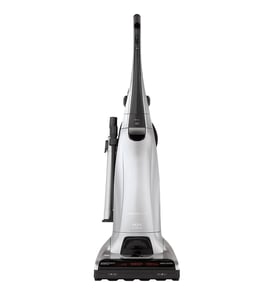

What is the number one rated upright vacuum cleaner?
There is no single, permanent “#1 rated” upright vacuum because rankings change by year, test method, and flooring type. For Dyson DC18 owners, the best choice is the upright that matches your home (carpet vs. hard floors, pets, allergies) and that you can maintain using the care steps in the owner's manual.
How to choose the right “top-rated” upright for your needs
When you compare uprights, we recommend focusing on measurable performance and usability, not just an overall score.
- Flooring match: brush roll on/off control for hard floors vs. carpet agitation
- Hair and debris pickup: pet hair, fine dust, and larger crumbs behave differently
- Filtration: important for allergies and fine dust control
- Weight and handling: stairs, under-furniture reach, and steering
- Maintenance cost and effort: filters, brush roll cleaning, and clog access
- Noise level: especially for apartments or shared spaces
Dyson DC18 features that affect “best vacuum” comparisons
Your Dyson DC18 upright vacuum includes brushbar behavior that matters in many review scorecards.
| Feature | What it does | Why it matters in rankings |
|---|---|---|
| Brushbar resets to ON | Starts with brushbar on each time | Helps carpet cleaning consistency |
| Brushbar on/off button | Lets you shut off agitation | Helps protect delicate floors and rugs |
| Brushbar auto-stop on obstruction | Stops if something jams it | Prevents belt/brush damage and improves safety |
Why it matters
A vacuum can be “#1” in a lab test and still be a poor fit in a real home. Matching suction, brush roll control, and maintenance needs to your flooring and lifestyle is what delivers the best day-to-day cleaning results.
Last updated: February 2026
What is the most common problem with the Dyson vacuum?
The most common problem we see with a Dyson DC18 upright vacuum is the machine shutting off during use because airflow is restricted (a blockage or dirty filter) and the vacuum overheats and trips its protection. Start by checking for clogs and cleaning the bin and filters per the owner's manual.
Quick checks that fix most Dyson DC18 issues
- Unplug the vacuum before any inspection or service.
- Empty and rinse the clear bin (let it fully dry before reinstalling).
- Check the hose and wand for a blockage (a tight bend can hide debris).
- Inspect the floor nozzle and brushbar area for hair, string, or carpet fuzz.
- Make sure the wand cap is closed when you are not using tools.
- If it shuts off, let it cool down, then recheck airflow paths before restarting.
Symptoms and the most likely cause
| Symptom | Most likely cause | What to do first |
|---|---|---|
| Turns off after a few minutes | Overheating from restricted airflow | Clear clogs; clean bin and filters |
| Poor suction | Blockage, dirty filter, bin not seated | Check hose/wand/nozzle; reseat bin |
| Brushbar not spinning | Vacuum is upright (brushbar disabled) or brush area jammed | Recline to vacuum; clear brush area |
| Pulls back on stairs | Strong suction with hose extended | Place vacuum at bottom of stairs; hold hose firmly |
Why it matters
Restricted airflow makes the DC18 run hotter and reduces cleaning performance. Clearing blockages and keeping the bin and filters clean helps prevent shutoffs, protects the motor, and keeps suction consistent.
Safety notes we follow for this model
- Turn off and unplug before servicing.
- Use the vacuum indoors only; do not vacuum liquids.
- Keep hair and loose clothing away from the wand and nozzle when running.
Last updated: February 2026
What is the average lifespan of a Dyson vacuum?
Most Dyson upright vacuums, including the Dyson DC18, typically last 7 to 10 years with normal household use and routine maintenance. The DC18 owner documentation also references a 5-year limited warranty, which is a helpful benchmark for expected durability when the vacuum is used and maintained as directed in the owner's manual.
What affects how long a Dyson DC18 lasts
- Filter and airflow care: clogged filters and blocked air paths make the motor work harder.
- Blockages: frequent clogs in the hose, wand, or cleaner head shorten component life.
- Brush roll wear: worn bristles reduce cleaning and can strain the drive system.
- Cord and plug condition: damage can create safety issues and lead to downtime.
- How it’s used: heavy debris pickup, rough handling, or using it outside accelerates wear.
Maintenance checklist to reach the 7 to 10 year range
- Unplug the vacuum before servicing or clearing clogs.
- Check for blockages in the hose, wand, and bin air passages.
- Keep the bin and seals clean so suction stays consistent.
- Inspect the power cord for cuts, kinks, or crushed sections.
- Use only Dyson-recommended attachments and replacement parts listed for DC18.
Lifespan vs. warranty: quick comparison
| Item | What it tells you | Typical value for DC18 owners |
|---|---|---|
| Expected service life | How long the vacuum commonly runs with upkeep | 7 to 10 years |
| Limited warranty | Coverage window for defects (household use) | 5 years |
| Wear items | Parts that often need attention first | Filters, brush roll, belts (varies) |
Why it matters
A vacuum that is losing suction, overheating, or clogging often is usually not “worn out”; it is commonly an airflow, blockage, or wear-item issue. Staying ahead of those basics helps your Dyson DC18 clean better and reduces stress on the motor.
Last updated: February 2026
Is it worth repairing a 10 year old Dyson?
Yes, repairing a 10-year-old Dyson DC18 upright vacuum is worth it when the problem is a normal wear item (clog, hose seal, belt, brush roll, cord) and the total repair cost stays well below the price of a comparable replacement vacuum. If the motor or main electrical components are failing, replacement is usually the better value.
Quick decision checklist (Dyson DC18)
- Repair if suction loss is caused by a blockage, dirty filters, or a worn brush system.
- Repair if the vacuum still runs smoothly and the issue is isolated to one area (floor head, hose, bin, cord).
- Replace if you smell burning, hear grinding from the motor area, or the unit repeatedly shuts off after short use.
- Replace if multiple systems are failing at once (power, brush, suction, and bin seals).
- Repair if you can restore performance with cleaning and one or two parts.
Cost and value guide
Use this simple comparison to decide:
| What you’re facing | Typical outcome | Best choice |
|---|---|---|
| Clog, filter maintenance, bin seal issues | Performance often returns after cleaning | Repair/maintain |
| Brush roll not spinning, belt wear, floor head drag | Usually a straightforward mechanical fix | Repair |
| Intermittent power, damaged cord, switch issues | Electrical diagnosis and parts may add up | Depends on total cost |
| Loud motor noise, burning smell, weak suction with no clogs | Motor-related repairs can be high | Replace |
Why it matters
A DC18 can still clean well after a decade if airflow is restored and rotating parts are in good shape. The “worth it” point is really about avoiding repeated downtime and stacking repair costs on an older upright vacuum.
What we recommend you do first
- Follow the maintenance and blockage-clearing steps in the owner's manual.
- Check for the most common performance killers:
- Blockages in the wand, hose, and cleaner head
- Dirty or incorrectly seated filters
- Debris wrapped on the brush roll
- Air leaks at bin seals and hose connections
- If the vacuum has electrical symptoms (no power, cuts out, burning smell), stop using it and inspect the cord and connections before running it again.
Last updated: February 2026