
How big of an AC unit is needed for a 2000 sq ft house?
For a 2,000 sq ft house, most homes land in the 3 to 4 ton central air conditioner range (about 36,000 to 48,000 BTU/hr). For the best fit, we size the system using a load calculation so the unit cools evenly without short-cycling or running nonstop.
Quick sizing range (what “tons” means)
A “ton” is a cooling capacity rating.
| AC size | Approx. capacity | Common fit for 2,000 sq ft? |
|---|---|---|
| 2.5 ton | 30,000 BTU/hr | Sometimes (tight, efficient homes) |
| 3 ton | 36,000 BTU/hr | Often |
| 3.5 ton | 42,000 BTU/hr | Often |
| 4 ton | 48,000 BTU/hr | Often (hot climates, higher loads) |
| 5 ton | 60,000 BTU/hr | Less common; only for very high loads |
What changes the “right” size
These factors can push your home toward the low or high end of the range:
- Climate and sun exposure (hotter regions and strong afternoon sun need more capacity)
- Insulation and air sealing (better insulation usually allows a smaller unit)
- Window size, type, and shading (large or older windows raise the load)
- Ceiling height and open floor plans (more air volume can require more capacity)
- Duct condition (leaky or undersized ducts reduce delivered cooling)
- Internal heat (many occupants, cooking, and electronics add heat)
Why it matters (comfort, humidity, and cost)
Correct sizing protects comfort and efficiency. An undersized unit tends to run continuously and may struggle on the hottest days. An oversized unit tends to short-cycle, which can leave humidity higher, create uneven temperatures, and increase wear on the compressor and controls.
How we recommend confirming size before you buy
Use a proper load calculation (often called a Manual J) and compare it to available equipment capacities.
- Confirm your home’s square footage and ceiling heights
- Note insulation levels and window details
- Check duct sizing and leakage
- Match the result to a compatible condenser and indoor coil
- When you are ready to shop by model or category, start with Sears PartsDirect
Last updated: February 2026
How much should a central air conditioning unit cost?
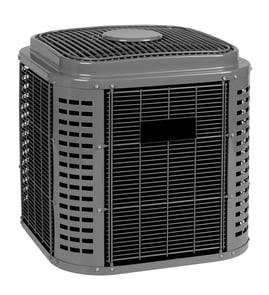
A central air conditioning unit typically costs about $3,000 to $15,000+ installed, depending on capacity, efficiency rating, and installation complexity. For a York central air conditioner like model G-FD048S21A, the final price is driven as much by labor and system fit as by the outdoor unit itself.
What drives the price most
- Tonnage (capacity): Larger homes and higher cooling loads cost more.
- Efficiency (SEER2/EER2): Higher efficiency usually raises equipment cost but can lower energy bills.
- Installation scope: New line set, pad, electrical disconnect, or condensate routing adds cost.
- Ductwork condition: Leaky, undersized, or damaged ducts can require repairs or modifications.
- Indoor components: Evaporator coil and refrigerant metering device selection affects total cost.
- Permits and code upgrades: Local requirements can add material and labor.
Typical cost ranges (what you’re paying for)
| Cost item | Typical range | Notes |
|---|---|---|
| Outdoor condenser unit | $1,500 to $6,000 | Varies by size and efficiency |
| Indoor coil and misc. materials | $600 to $2,500 | Coil, line set, pad, fittings |
| Labor and commissioning | $1,000 to $6,000+ | Includes evacuation, charge, testing |
| Ductwork repairs/mods (if needed) | $0 to $5,000+ | Highly home-dependent |
How to estimate the right budget for your home
- Confirm the exact model number and system match-up (outdoor unit plus indoor coil).
- Ask for a load calculation (not just “same size as before”).
- Compare quotes that list scope details (line set, electrical, refrigerant work, duct repairs).
- Plan for maintenance items (air filter changes, coil cleaning, drain management).
Why it matters
A low bid can mean skipped steps like proper evacuation, airflow setup, or duct sealing, which can reduce comfort and shorten compressor life. A complete install protects performance and helps your York system run efficiently.
For general repair planning and safe DIY basics around electrical testing, we recommend reviewing are diy appliance repairs safe and how to use a multimeter to test electrical parts video.
Last updated: February 2026
What is the average lifespan of a central air conditioning unit?
Most central air conditioners last 15 to 20 years with normal use and regular maintenance; units in harsh conditions or with poor airflow often fail sooner. For your York G-FD048S21A, consistent filter changes, coil cleaning, and correct refrigerant charge are the biggest lifespan drivers.
Typical lifespan ranges (what to expect)
- 15 to 20 years: common for modern, properly maintained central AC systems
- 10 to 15 years: common when maintenance is irregular or the system is oversized/short-cycling
- 8 to 12 years: common in coastal/salty air, heavy run time, or chronic airflow issues
| Condition | Typical outcome | What helps most |
|---|---|---|
| Regular maintenance, good airflow | Reaches the high end of lifespan | Clean filter, clean coils, correct charge |
| Dirty coils or restricted airflow | Shorter compressor life | Coil cleaning, duct/return airflow fixes |
| Frequent short-cycling | More wear on contactor/compressor | Correct sizing, thermostat setup, airflow |
Signs your central AC is nearing end of life
- Cooling takes longer or the home never reaches set temperature
- Rising electric bills with no change in weather or usage
- Frequent repairs (especially electrical controls, fan motor, or refrigerant leaks)
- Loud compressor noise, hard starts, or repeated breaker trips
- Uneven cooling caused by airflow problems that keep coming back
Maintenance that extends life the most
- Replace or clean the air filter on schedule (often every 1 to 3 months)
- Keep the outdoor condenser coil clean and unobstructed
- Keep supply and return vents open; avoid crushed or disconnected ductwork
- Have a seasonal check for refrigerant charge, electrical connections, and capacitor health
- Confirm the condensate drain is clear to prevent water damage and shutdowns
Why it matters
A central air conditioner usually fails from cumulative stress: restricted airflow, dirty coils, and electrical wear increase compressor run time and heat. Reducing that stress is the most reliable way to get closer to the 15 to 20 year range.
Related DIY reading: are diy appliance repairs safe
Last updated: February 2026