


What is the difference between a chipper shredder and a chipper shredder?
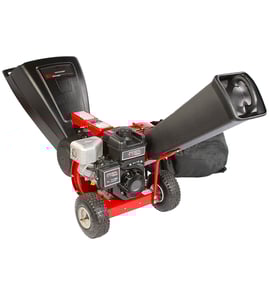
A “chipper shredder” and a “chipper shredder” are the same type of machine, so there is no difference in the name. For Ww model 47017, the practical differences come from how you use the chipper side (branches) versus the shredder side (leaves and light yard debris), and what cutting parts are installed.
Chipper vs. shredder functions (what changes in real use)
- Chipper function: pulls in thicker branches and cuts them into coarser chips.
- Shredder function: breaks down lighter material (leaves, small twigs) into finer mulch.
- Chipper shredder combo: gives you both options, often with separate feed areas or chutes.
Quick comparison
| Feature | Chipper side | Shredder side |
|---|---|---|
| Best for | Branches and woody stems | Leaves and light yard waste |
| Output | Coarse chips | Fine mulch-like material |
| Typical cutting style | Knife or blade action | Flails or multiple cutters |
What to check on your Ww 47017 if performance is poor
If it chips slowly, clogs, or leaves stringy material, focus on wear items and fasteners that affect cutter alignment.
- Inspect cutters for rounding, cracks, or heavy nicks
- Check for loose hardware and vibration (fasteners can back out)
- Look for belt slip if the rotor slows under load
- Clear packed debris from the housing and discharge area
- Confirm you are feeding the right material into the right opening
If you’re replacing a worn cutter, match the part exactly to your machine’s configuration; a common wear item is the troy-bilt blade 1915700ZMA.
Why it matters
Using the chipper side for leafy debris (or the shredder side for thick branches) causes jams, uneven mulch, and extra strain on the drive system. Keeping blades sharp and hardware tight helps the rotor maintain speed and reduces vibration.
Last updated: January 2026
What is the best homeowner wood chipper?
For most homeowners, the “best” wood chipper is the one that matches your branch size, cleanup volume, and storage needs. For a typical yard, we recommend a chipper/shredder that handles up to about 3 inches, has easy access for maintenance, and has readily available wear parts such as a flail blade like the troy-bilt blade 1915700ZMA.
How to choose the right homeowner chipper
Focus on the work you actually do most weekends, not the biggest number on the box.
- Max branch diameter: 2 to 3 inches covers most homeowner pruning.
- Power type: gas for portability and higher torque; electric for lighter, quieter use.
- Feed style: gravity feed is simpler; self-feeding saves effort on larger piles.
- Shredding capability: leaf and small twig shredding reduces bag count.
- Serviceability: access to blades, belts, and fasteners matters for long-term ownership.
- Storage and mobility: wheel size and handle/grip comfort affect real-world usability.
Quick comparison: common homeowner categories
| Homeowner need | Best fit | Typical capacity | Tradeoff |
|---|---|---|---|
| Light cleanup (leaves, small twigs) | Electric shredder | Up to ~1.5 in | Slower on woody branches |
| Most yards (seasonal pruning) | Mid-size gas chipper/shredder | Up to ~3 in | More noise and maintenance |
| Heavy pruning, frequent use | Larger gas chipper | 3 in and up | Higher cost, heavier storage |
Why parts support matters
Chippers and shredders are hard on wear components. A sharp blade and a properly tensioned belt keep performance up and reduce strain on the engine and drive system.
- Dull or nicked blades can cause clogging and poor chip quality.
- Worn belts can cause slipping and reduced cutting speed.
- Loose hardware can cause vibration and accelerated wear.
If you already own Ww model 47017
If your Ww chipper/shredder is struggling, start with basic maintenance: inspect the cutting system, check for belt wear, and verify fasteners are tight. For common wear items, match by model and part listing; the flail blade option for this model is the troy-bilt blade 1915700ZMA.
Last updated: January 2026
How much does a 12 wood chipper weigh?
A 12-inch wood chipper typically weighs about 1,500 to 3,500 lb depending on whether it’s a tow-behind disk/drum chipper, a heavier hydraulic-feed unit, or a tracked machine. For the Ww 47017 grinder chipper/shredder, use the unit’s data plate or shipping paperwork for the exact weight.
Typical weight ranges for “12-inch” chippers
These ranges cover most 12-inch-capacity machines you’ll see in the field:
- Tow-behind disk/drum chipper: 1,500 to 2,800 lb
- Heavy tow-behind with hydraulic feed: 2,500 to 3,500 lb
- Tracked 12-inch chipper: 3,500 lb and up
What changes the weight the most
Two machines can both be labeled “12-inch” and still weigh very differently. The biggest drivers are:
- Feed system: gravity feed vs. hydraulic feed (pump, motor, reservoir)
- Chipper design: disk vs. drum, rotor thickness, flywheel mass
- Engine size and fuel capacity
- Frame, axle, and tongue build (light-duty vs. commercial)
- Options: electric brakes, winch, extended discharge chute
Quick comparison table
| 12-inch chipper style | Typical use | Typical weight |
|---|---|---|
| Tow-behind (standard) | Property cleanup, light commercial | 1,500 to 2,800 lb |
| Tow-behind (heavy hydraulic feed) | Daily crew use, larger brush | 2,500 to 3,500 lb |
| Tracked | Off-road, steep terrain | 3,500 lb and up |
Why it matters
Weight determines towing safety (tow vehicle rating, hitch class), whether you need brakes, and what trailer or ramps can handle loading. It also affects stability when feeding heavy limbs.
Related maintenance note for Ww 47017
If you’re troubleshooting drive slippage or poor feed performance, inspect the belt condition and tension; a worn belt can reduce rotor speed under load. The troy-bilt v-belt 1762636MA is one of the listed drive components for this model.
Last updated: January 2026