 Error Codes




Is it worth repairing a GE dishwasher?
Yes; repairing a GE dishwasher like model GDT550PGR7BB is worth it when the problem is limited to one system (drain, fill, wash, heat, or door latch) and the total repair cost stays under about half the price of a comparable new dishwasher. Replacement makes sense when multiple major failures stack up.
Quick rule of thumb (repair vs. replace)
Use these checkpoints to decide:
- Repair when the dishwasher is under 8 years old and the repair is under 50% of replacement cost.
- Repair when symptoms point to one fixable issue (clog, pump, valve, latch, heater).
- Replace when you have repeat breakdowns within a year.
- Replace when the tub is damaged or you have multiple electrical failures (control plus motor, repeated no-power events).
- Replace when the dishwasher is 10+ years old and needs a high-cost repair.
Common symptoms and what they usually mean
Many “big” complaints come from a small set of causes.
| Symptom | Common causes | Usually worth repairing? |
|---|---|---|
| Won’t start | Door latch/switch, control lock, power supply issue | Often, yes |
| Not draining | Filter clog, drain hose restriction, drain pump | Often, yes |
| Not cleaning | Clogged filter, spray arm blockage, low fill | Often, yes |
| Not drying | Heater circuit issue, rinse aid, vent problem | Often, yes |
| Long cycles | Incoming water too cool, heater/sensor issue | Depends |
For GE-specific fault patterns, use GE electronic dishwasher error codes and GE dishwasher error codes.
Why it matters
A targeted repair restores cleaning and drying performance and avoids the cost and disruption of replacement. Replacing is the better value when the remaining service life is low or the risk is high because multiple systems are failing.
Before you decide, do these checks
- Reset power at the breaker for 1 minute.
- Confirm the door fully latches and the controls respond.
- Clean the filter area and clear spray arm holes.
- Run hot water at the sink first so the dishwasher starts with hot water.
- Check for standing water, slow draining, or leaks under the unit.
Last updated: February 2026
What are the commonly replaced parts in a dishwasher?
In a GE dishwasher like model GDT550PGR7BB, the most commonly replaced parts are the ones that handle water flow, heating, sealing, and draining. When these wear out or clog, you typically see leaks, poor cleaning, no-drain symptoms, or a dishwasher that will not start.
Most commonly replaced dishwasher parts
- Door gasket (seal): stops water from leaking around the door
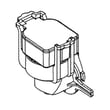
- Drain pump: pushes used water out to the drain hose
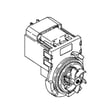
- Water inlet valve: controls water entering the tub
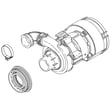
- Circulation pump and motor: drives wash pressure to the spray arms
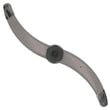
- Spray arms: distribute water; can clog with food or mineral buildup
- Heating element (or heater circuit components): helps with drying and water temperature
- Detergent dispenser: releases detergent and rinse aid at the right time
Quick symptom-to-part guide
| Symptom | Parts to check first | Common cause |
|---|---|---|
| Water on floor at the front | Door gasket, door latch | Worn seal or door not closing tightly |
| Dishes gritty or not clean | Spray arms, circulation pump, filters | Clogs, low wash pressure |
| Standing water in bottom | Drain pump, drain hose, air gap/disposal inlet | Blockage or weak pump |
| Fills slowly or not at all | Water inlet valve, float/float switch | Valve screen clogged or valve failure |
| Won’t start or stops mid-cycle | Door latch, control board, user interface | Door not sensed closed or control issue |
Why these parts fail most often
Dishwashers run in a hot, wet, detergent-heavy environment, so failures usually come from:
- Normal wear on seals, latches, and moving pump components
- Clogs from food debris, labels, or broken glass
- Mineral scale restricting spray arm holes and valve screens
- Overloading or poor loading that blocks spray patterns
What we recommend before replacing parts
- Clean the filter area and check spray arm holes for debris.
- Confirm the door closes firmly and the latch engages.
- Check the drain path (sink/disposal connection) for a blockage.
- If the dishwasher shows a code, match it to the right circuit before buying parts.
For code-based troubleshooting on GE models, use our GE electronic dishwasher error codes guide.
Last updated: February 2026
What is the average life expectancy of a GE dishwasher?
A GE dishwasher typically lasts 10 to 12 years with normal household use. For the GE GDT550PGR7BB, consistent cleaning and avoiding chronic overloading are the biggest factors that keep the wash system, drain system, and racks working well for the long run.
Typical lifespan range (what to expect)
Most GE dishwashers fall into these real-world ranges:
- 6 to 8 years: heavy use, poor maintenance, frequent hard-water buildup
- 10 to 12 years: typical use with basic care
- 12 to 15 years: lighter use plus regular cleaning and prompt fixes
| Usage and care level | Common outcome | What usually fails first |
|---|---|---|
| Heavy use, minimal cleaning | Shorter lifespan | Drain issues, wash performance, leaks |
| Average use, basic upkeep | Average lifespan | Pump wear, door seal wear, rack wear |
| Light use, proactive upkeep | Longer lifespan | Mostly wear items (racks, seals) |
Maintenance that extends dishwasher life
These steps reduce strain on the motor, pump, heater, and seals:
- Clean the filter area and sump regularly (keeps circulation and draining strong)
- Run a periodic cleaning cycle to reduce grease and mineral buildup
- Use the right detergent amount; too much can cause residue and poor rinsing
- Load so spray arms spin freely; blocked arms force the pump to work harder
- Fix small leaks quickly; moisture damage can shorten the life of electrical parts
For a step-by-step routine, use our guide: how to clean and maintain your dishwasher.
When “repair vs. replace” usually makes sense
We use a simple rule of thumb based on age and symptoms:
- Under 7 years: repairs are often worthwhile, especially for draining, filling, or door sealing problems
- 8 to 12 years: decide based on the cost of the repair and overall condition (racks, tub, recurring issues)
- Over 12 years: repeated major failures usually point toward replacement
Why it matters
Dishwashers often fail early from restricted water flow, poor draining, and leaks. Preventing buildup and keeping water moving correctly protects the circulation pump, drain pump, and heating system, which are the most expensive systems to troubleshoot.
Last updated: February 2026
What is the most common problem with a GE dishwasher?
The most common GE dishwasher problem (including model GDT550PGR7BB) is a cycle that will not start or will not run correctly. In most homes, the root cause is a simple power, door-latch, or control setting issue, followed closely by draining and cleaning complaints.
Most common issues we see (and what they usually mean)
- Won’t start: door not fully latched, control lock enabled, delayed start selected, or a power interruption.
- Has power but won’t run: stuck in a mode (such as demo-type behavior), keypad issue, or control not accepting input.
- Won’t drain: clogged filter area, blocked drain hose/air gap, or a drain pump problem.
- Not cleaning well: spray arms blocked, filter dirty, low water fill, or loading/detergent issues.
- Not drying: rinse aid empty, heated dry option off, or airflow/venting problems.
Quick checks before you replace anything
- Reset power: turn the breaker off for 1 minute, then back on.
- Confirm the door latch: close firmly; try starting with gentle pressure on the door.
- Check settings: turn off Control Lock; cancel Delay Start.
- Look for standing water: if present, focus on drain and filter cleaning.
- Run hot water at the sink for 30 to 60 seconds before starting a cycle.
Symptom-to-likely-cause guide
| Symptom | Most likely cause | Best first action |
|---|---|---|
| No lights, no response | Power supply issue | Check breaker and junction box wiring |
| Lights on, won’t start | Door latch or control setting | Re-latch door; disable lock/delay |
| Water left in tub | Drain restriction | Clean filter area; check drain path |
| Dishes gritty/dirty | Filter or spray arm blockage | Clean filter; clear spray arm holes |
| Dishes wet | Drying option or rinse aid | Enable heated dry; add rinse aid |
Why it matters
Start and drain problems often look like “the dishwasher is dead,” but they are frequently caused by a latch, setting, or blockage. Fixing the basic cause first prevents repeat failures and helps avoid unnecessary part replacement.
For code-based troubleshooting on GE models, use our GE electronic dishwasher error codes guide.
Last updated: February 2026





