Installation guide
 Owner’s manual
 Error Codes

What is the life expectancy of a GE washing machine?
Most GE washers, including model GHWN5250D0WS, typically last 10 to 14 years with normal household use. Consistent care (proper loading, correct detergent, and keeping the washer level) helps the drive system, tub, and controls reach the upper end of that range.
What affects washer lifespan most
- Load size and balance: frequent overloading or unbalanced loads increase vibration and wear.
- Installation and leveling: a washer on firm flooring and properly leveled spins with less stress.
- Water conditions: very hot water settings and hard water can accelerate wear and buildup.
- Drain setup: an incorrect standpipe height can contribute to siphoning or poor draining.
- Maintenance habits: periodic cleaning and checking hoses reduces odor, leaks, and strain.
Model-specific installation details that help it last longer
Your GHWN5250D0WS installation requirements include:
- Water pressure: 10 to 150 psi
- Hot water at the washer (hot wash selected): 120°F to 150°F
- Drain discharge height: 30 inches minimum, up to 8 feet maximum above the washer base
- Alcove/closet minimum clearances: 0 inches sides, 2 inches front, 3 inches rear
Use the GHWN5250D0WS installation guide to confirm your setup, especially leveling and drain height.
Quick checklist to reach 10 to 14 years (or more)
- Keep the washer level; re-check if it starts vibrating more than usual.
- Avoid chronic overloading; wash bulky items in smaller loads.
- Use the right amount of HE detergent (too much can cause residue and odors).
- Leave the lid open between loads to help the tub dry.
- Address leaks quickly; a worn seal can lead to bearing damage (for example, the washer tub seal WH02X10383).
Common wear items and what they usually cause
| Symptom | Common area involved | What it can lead to |
|---|---|---|
| Loud roar during spin | Tub bearing, tub seal | Accelerated wear, leaks |
| Excessive shaking | Suspension, leveling | Premature drive and tub stress |
| Won’t start or stops mid-cycle | Lid switch | No-spin/no-agitate conditions |
Why it matters
A washer that is installed correctly and kept level runs smoother during spin, which reduces stress on the tub, bearings, and drive components. That is the biggest controllable factor in extending service life.
Last updated: January 2026
What is the most common problem with GE washers?
On GE washers like model GHWN5250D0WS, the most common service issues are no spin/no agitation and drain problems. These symptoms are often tied to a lid switch, drive system wear, or a water-level sensing issue that prevents the washer from advancing through the cycle.
Most common symptoms customers report
- Washer fills but will not spin
- Washer agitates weakly or not at all
- Washer will not drain or stops mid-cycle
- Excessive vibration or banging during spin
- Water leaks around the tub area
What to check first (fast, high-impact checks)
- Load and leveling: An unbalanced load or an unstable floor can cause severe vibration and spin interruptions. The installation guide calls for firm flooring (concrete is best) to minimize vibration. Use the GHWN5250D0WS installation guide for leveling and setup basics.
- Drain setup: If the standpipe is too low or too high, draining can fail. For this model’s installation requirements, the drain discharge height must be at least 30 inches and no more than 8 feet above the washer base.
- Water supply basics: Low water pressure can cause fill issues that look like a “stuck” cycle. Typical requirement is 10 to 150 psi.
Parts that commonly relate to these problems
If your symptoms match, these model-specific parts are common suspects:
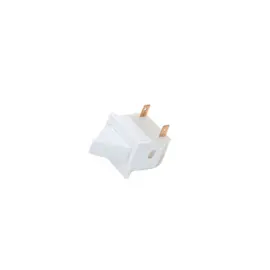
- No spin/no start: washer lid switch assembly WH12X10334
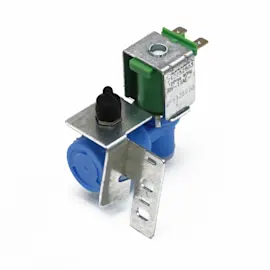
- Won’t fill or fills incorrectly: washer water inlet valve WH13X10053
- Overfills, underfills, or acts like it can’t sense water level: washer water-level pressure switch hose WH41X365
Quick symptom-to-likely-cause table
| Symptom | Most likely area | Common next step |
|---|---|---|
| Fills, then stops | Lid switch or sensing | Check lid closure and lid switch wiring |
| Drains slowly or not at all | Drain setup or pump path | Verify standpipe height and hose routing |
| Loud roaring in spin | Bearing/tub wear | Inspect tub bearing and tub seal area |
| Leaks from tub area | Seal/tub components | Inspect for water trails under the tub |
Why it matters
Spin, agitation, and draining are the “gatekeepers” of a wash cycle. When the washer cannot safely lock in a stable spin (leveling, load balance) or cannot confirm water level and draining, it often pauses or ends the cycle to prevent damage.
For code-based troubleshooting, use GE top load washer error codes.
Last updated: January 2026
What is the difference between 4.5 cu ft and 5.0 cu ft washer?
A 5.0 cu. ft. washer has about 0.5 cu. ft. more drum volume than a 4.5 cu. ft. washer, so it handles larger single loads and bulky items with more room to move. For GE model GHWN5250D0WS, use this as a general capacity comparison, then confirm your washer’s actual capacity in the GHWN5250D0WS owner’s manual.
What the extra 0.5 cu. ft. changes
- Fits larger loads before clothes start packing tightly
- Makes bulky items (comforters, blankets) easier to wash without overfilling
- Improves turnover (clothes circulate more freely), which supports better rinsing
- Reduces the need to split big laundry days into multiple loads
- Can increase water and energy use per cycle if you routinely fill it to the top
Quick comparison
| Capacity | Best for | Practical difference you notice |
|---|---|---|
| 4.5 cu. ft. | Most households, everyday mixed loads | Large loads, but bulky items may need more care to avoid overfilling |
| 5.0 cu. ft. | Bigger households, frequent bedding, fewer loads | More “headroom” for comforters and big towel loads; fewer total cycles |
How to choose the right size
- If you wash king bedding often, 5.0 cu. ft. is the better fit
- If you mostly wash mixed clothing loads, 4.5 cu. ft. already feels “large capacity”
- If your laundry area is tight, verify the washer’s exterior dimensions and required clearances
- If you want less vibration and better spinning, proper leveling matters as much as capacity
Why it matters
Overfilling any washer reduces cleaning performance because detergent and water cannot circulate through the load; it also increases strain on the drive system and suspension.
Installation and space planning
Before changing washer sizes, confirm your laundry hookups and clearances (water pressure, drain height, and minimum spacing) using the GHWN5250D0WS installation guide.
Last updated: January 2026