Owner’s manual

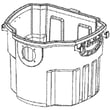

How to clean out the inside of a vacuum?
To clean the inside of your Cleva VWM510SC wet/dry vacuum, unplug it, empty the tank, remove and clean the filter, then wipe and fully dry the tank and lid before reassembling. This prevents odors, protects suction, and helps the motor run cooler.
Safe cleaning steps (VWM510SC)
- Unplug the vacuum and remove the hose and attachments.
- Empty the tank into an outdoor trash bag; tap out stuck debris.
- Remove the filter and clean it (dry debris only unless your manual allows washing).
- Wipe the inside of the tank, lid, and inlet area with a damp cloth and mild dish soap.
- Rinse only if allowed; then air-dry all parts completely before reinstalling.
- Check the hose and vacuum port for clogs and clear them by hand.
Filter care: dry pickup vs. wet pickup
Wet/dry vacuums are sensitive to filter condition. Use this quick guide and follow the VWM510SC owner’s manual for the correct filter handling for your setup.
| Cleanup type | What to do first | What to check after |
|---|---|---|
| Dry debris (sawdust, drywall dust) | Clean or replace the filter | Suction improves; less dust blow-by |
| Wet pickup (water) | Empty tank promptly | Tank, lid, and hose are fully dry |
| Fine dust | Clean filter more often | Filter pleats are not packed |
When to replace parts
Replace parts when cleaning no longer restores performance.
- Filter is torn, won’t come clean, or stays clogged: consider the filter 551006114.
- Airflow seems restricted at the exhaust: inspect the air and noise diffuser 551109129 for blockage.
- Suction is weak at the inlet: check the vacuum port assembly 551001110 for cracks or debris.
Why it matters
A clean tank, clear airflow path, and properly maintained filter reduce odors, prevent clogs, and help maintain strong suction on a wet/dry vacuum.
Last updated: February 2026
How to fix a broken vacuum?
Most “broken” Cleva VWM510SC wet/dry vacuums are fixable with a fast airflow and power check: confirm the outlet and cord are good, empty the tank, clear clogs, and make sure the filter is clean and seated correctly. Use the VWM510SC owner’s manual for model-specific setup and maintenance steps.
Quick checks that fix most problems
- No power: try a different outlet, reset the breaker/GFCI, inspect the cord and plug for damage.
- Low or no suction: empty the tank, check the hose/nozzle for a blockage, and confirm all connections are fully seated.
- Blowing dust: reinstall the filter correctly and replace it if it is torn or won’t clean up.
- Loud or restricted airflow: check for a clog at the inlet and verify the diffuser/deflector pieces are installed.
- Wet pickup issues: confirm you are using the correct configuration for wet pickup (filter and accessories vary by design).
Step-by-step troubleshooting (in a safe order)
- Unplug the vacuum before opening the canister or removing hoses.
- Empty and rinse the tank; debris and sludge can block the inlet.
- Inspect the filter; clean it if it is dusty, replace it if it is damaged. If you need a replacement, use the filter 551006114.
- Clear the airflow path; remove the hose and check the nozzle, port, and canister inlet for obstructions.
- Check the exhaust path; a misinstalled diffuser can change airflow and noise. If yours is cracked or missing, see the air and noise diffuser 551109129.
- Test run for 10 to 20 seconds with the hose removed; strong suction at the port points to a hose/nozzle clog.
Symptom-to-fix guide
| Symptom | Most common cause | What we do first |
|---|---|---|
| Won’t turn on | Outlet, cord, switch | Verify power source, inspect cord |
| Runs but no suction | Clog, full tank, filter plugged | Empty tank, clear hose, clean/replace filter |
| Dust blows out | Filter missing, torn, or not seated | Reinstall or replace filter |
| Very loud | Partial clog or exhaust part issue | Check inlet/exhaust, inspect diffuser |
Why it matters
A wet/dry vacuum depends on sealed airflow. A clogged hose, full tank, or damaged filter forces the motor to work harder, reduces pickup, and can shorten motor life.
Last updated: February 2026
Is a wet and dry vacuum cleaner worth it?
Yes, a wet/dry vacuum like the Cleva VWM510SC is worth it when you regularly deal with both liquid spills and dry debris (garage, basement, workshop, pet messes). It replaces multiple cleanup tools, but it takes more storage space and needs routine filter and tank cleaning to stay odor-free.
When a wet/dry vacuum is the right choice
A wet/dry vacuum pays off most when you need fast pickup and versatility.
- You clean up water spills, wet sawdust, or muddy footprints
- You vacuum garages, cars, basements, or job sites
- You want stronger pickup for heavier debris than a typical household vacuum
- You need quick cleanup after a clogged drain, minor leak, or wet carpet spot
- You can rinse and dry the tank after wet pickup
When it may not be worth it
If your cleaning is mostly light, dry dust on carpets and rugs, a standard upright or canister vacuum is usually easier day to day.
- Limited storage space (wet/dry vacuums are bulkier)
- Mostly fine dust and everyday crumbs in living areas
- You prefer a quieter, lighter vacuum for quick pickups
What “worth it” looks like in real use
| Need | Wet/dry vacuum (VWM510SC type) | Traditional household vacuum |
|---|---|---|
| Wet spills | Excellent | Not designed for liquids |
| Heavy debris (shop mess) | Excellent | Often struggles |
| Fine dust filtration | Good with the right filter | Often very good |
| Convenience for daily living spaces | Moderate | High |
Maintenance that makes the biggest difference
To keep performance strong and prevent odors, we recommend these habits:
- Check and clean the filter regularly; replace it when airflow drops
- Empty the tank after every wet pickup and let it fully dry
- Inspect the hose and port for clogs and packed debris
- Make sure attachments seal well to maintain suction
- Follow the cleaning and filter guidance in the VWM510SC owner’s manual
If you need a replacement, the model uses a compatible filter 551006114 for dry pickup and fine debris control.
Why it matters
Wet/dry vacuums save time because one machine handles both liquid and solid messes. The tradeoff is upkeep: a clean, dry tank and a maintained filter are what keep suction high and smells low.
Last updated: February 2026
What are the parts of the vacuum?
A Cleva VWM510SC wet/dry vacuum is made up of the powerhead (motor and controls), a collection tank, airflow parts (ports and diffusers), and cleaning accessories (hose and nozzles). The most commonly replaced items are the filter and airflow fittings; see the VWM510SC owner’s manual for your exact configuration.
Main assemblies you will see on the VWM510SC
- Powerhead: motor, switch, cord, and exhaust outlet
- Collection tank: holds debris and liquids; includes latches and seals
- Filtration: keeps dust from reaching the motor (dry pickup)
- Airflow path: inlet port, internal deflectors, and exhaust diffuser
- Cleaning accessories: hose, wands, and floor tools for wet or dry pickup
Model-specific parts we stock for this vacuum
These are common VWM510SC components customers replace when suction drops, airflow is noisy, or an accessory is damaged.
| Part name | Part ID | What it does |
|---|---|---|
| Filter | 551006114 | Captures dust during dry pickup and helps protect the motor |
| Air and noise diffuser | 551109129 | Reduces exhaust noise and helps direct exhaust airflow |
| Vacuum port assembly | 551001110 | Connects the hose to the vacuum body and seals the inlet |
| Vacuum port deflector | 551004110 | Helps guide airflow and reduce clogging at the inlet |
| Floor squeegee nozzle | 551011110 | Improves wet pickup on hard floors |
| Mounting rack | 551001126 | Stores the vacuum or accessories when wall-mounted |
Quick way to identify what you need
- If suction is weak, check for a clogged hose, then inspect the filter 551006114.
- If the vacuum is louder than normal, inspect the exhaust area and consider the air and noise diffuser 551109129.
- If the hose connection is loose or leaking air, inspect the vacuum port assembly 551001110 and the vacuum port deflector 551004110.
Why it matters
Wet/dry vacuums rely on a sealed airflow path. A dirty filter, a leaking port, or a missing diffuser can reduce suction, increase noise, and let fine dust reach the motor.
Last updated: February 2026
What is the average lifespan of a wet dry vac?
Most wet/dry vacuums, including the Cleva VWM510SC, typically last 5 to 10 years with normal use; heavy shop use and poor maintenance shorten that, while regular cleaning and timely filter changes often push lifespan toward the high end. For model-specific care steps, use the VWM510SC owner’s manual.
What affects wet/dry vac lifespan most
- Filter care: a clogged filter restricts airflow and makes the motor run hotter.
- Wet pickup habits: running the vac with a saturated filter or leaving water in the tank speeds corrosion and odor.
- Debris type: fine drywall dust and ash are especially hard on motors and filters.
- Hose and port clogs: blockages increase load and reduce cooling airflow.
- Storage: freezing temps and damp storage can damage seals and plastics.
Maintenance checklist (best return for the effort)
- Empty the tank after every wet pickup; let the tank and hose dry.
- Clean or replace the filter on schedule; use the correct replacement like the filter 551006114 when performance drops.
- Check the inlet for obstructions; inspect the vacuum port assembly 551001110 area for packed debris.
- Confirm the exhaust path is clear; a damaged diffuser such as the air and noise diffuser 551109129 can affect airflow and noise.
Quick “replace vs. repair” guide
| Symptom | Most likely cause | Best next step |
|---|---|---|
| Weak suction | Clogged filter, hose clog, air leak | Clean/replace filter; clear clogs; check seals |
| Loud, harsh sound | Blockage, damaged diffuser, worn motor bearings | Clear blockage; inspect diffuser; consider service |
| Shuts off or overheats | Restricted airflow, overloaded circuit | Clean filter; reduce load; verify power source |
| Bad odor after wet use | Water left in tank/hose | Dry tank and hose; clean and deodorize |
Why it matters
A wet/dry vac motor depends on steady airflow for cooling. Keeping airflow high (clean filter, clear ports, dry tank) directly reduces heat stress, which is the main driver of early motor failure.
Last updated: February 2026
What is the spinning part of a vacuum called?
In many vacuums, the spinning part that agitates carpet is called a beater bar (often referred to as a brush roll). On a Cleva VWM510SC wet/dry vacuum, cleaning is typically done by airflow through the hose and attachments, not a powered brush roll; confirm your included accessories in the VWM510SC owner's manual.
Common names you will hear
- Beater bar: The rotating bar that helps loosen dirt from carpet fibers.
- Brush roll: A common name for the same rotating assembly, usually with bristles.
- Impeller/fan: The spinning part inside the motor that creates suction (not a floor agitator).
- Turbine nozzle: An attachment that can spin a brush using airflow (not an electric motor).
What applies to a wet/dry vacuum like the Cleva VWM510SC
Wet/dry vacuums usually rely on attachments instead of a powered beater bar. For example, a squeegee-style tool is designed for liquid pickup on hard floors.
| Cleaning task | Typical tool type | What spins? |
|---|---|---|
| Carpet agitation | Beater bar/brush roll head | Brush roll spins |
| Dry debris pickup (shop use) | Hose + nozzle | Nothing at the floor head |
| Water pickup on hard floors | Squeegee nozzle | Nothing at the floor head |
Quick troubleshooting if you expected something to spin
- Check whether your vacuum came with a powered head or only basic nozzles.
- Inspect the hose and nozzle for clogs that reduce suction.
- Make sure the filter is installed correctly and not packed with fine dust.
- For wet pickup, use the correct wet pickup setup described in the VWM510SC owner's manual.
Why it matters
Using the right term helps you order the correct part and attachment. A “beater bar” is a carpet-agitation component, while a wet/dry vacuum’s performance usually depends more on filter condition, airflow, and using the right nozzle, such as the filter 551006114 or a floor squeegee attachment.
Last updated: February 2026
What should you not vacuum with a wet dry vac?
For the Cleva VWM510SC wet/dry vacuum, do not pick up anything that can ignite, melt, clog the filter, or damage the hose and motor. Avoid hot ash and coals, fine dust without the right filter setup, and sharp debris like glass.
Items to avoid (and why)
- Hot or burning material (cigarette ash, fireplace ash with embers, hot coals): can start a fire inside the tank.
- Flammable or explosive liquids/vapors (gasoline, solvents, paint thinner): can ignite from motor sparks.
- Very fine powders (drywall dust, concrete dust, flour): can pass through or quickly clog the filter and reduce airflow.
- Large sharp debris (glass shards, nails, screws): can puncture the hose, damage the tank, or tear the filter.
- Wet food, grease, or sticky sludge: can coat the filter and create odors and clogs.
- Large amounts of hair/fibers (pet hair, insulation, string): can wrap up in the airflow path and block suction.
Quick “OK vs not OK” guide
| Material | Safe to vacuum? | Best practice |
|---|---|---|
| Clean water spills | Usually yes | Empty tank promptly; dry the tank after use |
| Cold fireplace ash (fully cooled) | Sometimes | Use the correct filter; stop if you smell heat |
| Drywall dust | No (typical) | Use a dust-rated setup; clean/replace filter often |
| Gasoline/solvents | No | Use proper spill cleanup methods, not a vacuum |
Filter and airflow checks that prevent problems
- Start with a clean, properly seated VWM510SC owner’s manual.
- Replace a clogged or torn filter; a restricted filter can overheat the motor. The model’s listed filter 551006114 is a common wear item.
- If exhaust seems unusually loud or airflow is odd, inspect the outlet pieces such as the air and noise diffuser 551109129 for blockage.
Why it matters
Wet/dry vacs rely on strong airflow to cool the motor. The wrong debris can block airflow, damage the filter, or create a fire risk, which leads to poor suction and premature motor failure.
Last updated: February 2026
What's the best wet-dry vacuum on the market?
If you want the “best” wet-dry vacuum, we recommend choosing based on your cleaning type (spills vs. dust), power source (corded vs. battery), and maintenance needs. For owners of the Cleva VWM510SC, the best results come from keeping airflow strong with the correct filter and a clean, sealed hose path; see the VWM510SC owner’s manual for your model’s approved setup.
How we recommend choosing the best wet/dry vacuum
- Capacity and pickup type: Larger tanks suit garages and shops; smaller units are easier for quick indoor spills.
- Corded vs. cordless: Corded units deliver steady suction; cordless units trade runtime for convenience.
- Filtration: Fine-dust work needs a clean, properly seated filter.
- Noise and exhaust control: Diffusers and deflectors can reduce harsh exhaust and help direct airflow.
- Parts support: A model with readily available replacement parts is easier to keep running.
Quick comparison: what “best” means for most shoppers
| Priority | What to look for | Why it helps |
|---|---|---|
| Strong suction | Tight seals, clear airflow path | Better pickup and less clogging |
| Easy wet pickup | Proper wet nozzle and tank drainage | Faster spill cleanup |
| Easy maintenance | Simple filter access and cleaning | More consistent performance |
| Lower noise | Exhaust diffuser/deflector design | More comfortable use |
Getting top performance from your Cleva VWM510SC
A wet/dry vacuum that feels “not as good as it used to be” is usually losing airflow. We recommend these checks first:
- Inspect and clean or replace the filter 551006114.
- Check for hose/nozzle clogs and confirm all connections seal tightly.
- If exhaust seems unusually loud or turbulent, inspect the air and noise diffuser 551109129 for damage or blockage.
- For wet pickup, use the correct wet nozzle and keep the tank from overfilling.
Why it matters
“Best on the market” changes by feature and price, but suction and reliability come from the basics: clean filtration, clear airflow, and the right attachments. Keeping your VWM510SC maintained often delivers better real-world results than upgrading.
Last updated: February 2026