Owner’s manual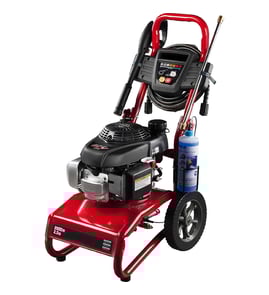





Can you put 87 gas in a pressure washer?
Yes. For the Craftsman gas pressure washer model 580752881, regular unleaded gasoline with an 87 octane rating is the standard fuel choice for normal operation. Use fresh fuel and follow the fuel and storage guidance in the 580752881 owner's manual.
What to use (and what to avoid)
- Use fresh, clean unleaded gasoline (87 octane).
- Higher octane (88 to 93) is fine, but it typically does not improve cleaning power.
- Avoid old gas (stale fuel is a top cause of hard starting and surging).
- Avoid contaminated fuel (water or debris in the can).
- Do not mix oil into the gas unless your engine specifically requires it (most are 4-cycle).
Quick fuel checklist before you start
- Check the fuel cap area for dirt; wipe it clean before opening.
- Fill outdoors with the engine off and cool.
- Do not overfill; leave room for expansion.
- If the unit will sit more than 30 days, plan for proper storage steps.
87 vs higher octane: what changes?
| Fuel choice | Safe to use? | What you may notice |
|---|---|---|
| 87 octane unleaded | Yes | Normal starting and performance |
| 88 to 93 octane unleaded | Yes | Usually no performance difference |
| Old or stale gasoline | No | Hard starting, surging, power loss |
Why it matters
Using the right fuel helps the engine run smoothly and protects the carburetor and fuel system from varnish buildup that can cause “won’t start” problems.
If your pressure washer is running rough after fueling, follow the troubleshooting steps in pressure washer engine losing power.
Last updated: January 2026
How to tell if your pressure washer pump is bad?
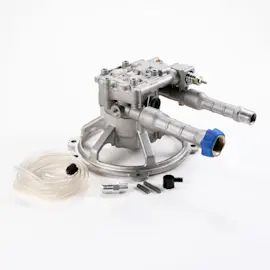
On the Craftsman pressure washer model 580752881, a bad pump usually shows up as low or surging pressure, water leaking from the pump area, or the engine bogging when you squeeze the trigger. Confirm the basics first (water supply, nozzle, and unloader behavior) before replacing parts; see the 580752881 owner's manual.
Quick signs the pump is failing
- Pressure is low even with a clean, correct spray tip
- Pressure pulses (surging) and the spray pattern “breathes” in and out
- Water leaks from the pump head/manifold or around fittings that will not seal
- Unusual noise from the pump (grinding, rattling, squealing)
- Engine loads down hard when spraying, even at normal water flow
Rule out common non-pump causes first
Many “bad pump” symptoms are caused by restrictions, air leaks, or a stuck unloader valve.
| Symptom | Most common cause | What to check first |
|---|---|---|
| Low pressure | Clogged/worn nozzle | Swap to a known-good tip, clean inlet screen |
| Pulsing pressure | Air in water, inlet restriction | Straighten hose, increase flow, check screen |
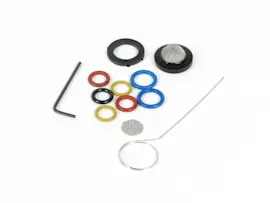
| Leaking at pump | Loose fitting or damaged O-ring | Reseat fitting, inspect seals |
| Pressure spikes or “sprays too hard” | Unloader issue | Inspect/replace unloader components |
Simple checks we recommend (in order)
- Verify water supply: full-flow spigot, no kinks, clean inlet screen.
- Test with a different spray tip: a worn tip can drop pressure noticeably.
- Check for air leaks on the inlet side: loose garden-hose connection or cracked hose.
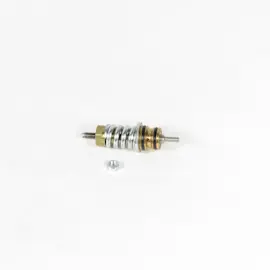
- Inspect the unloader valve behavior: sticking can cause surging and poor pressure; follow how to replace a pressure washer unloader valve.
- Look for pump leaks: if fittings are tight and it still leaks, internal seals or the manifold may be worn.
When replacement is the best fix
Replace the pump (or rebuild it) when pressure stays low after the checks above, the pump leaks from the head/manifold, or the unloader and nozzle are known-good and symptoms persist. If you are servicing the pump head, keep track of small hardware like the pressure washer retainer clip 703976 during disassembly.
Why it matters
Running a pressure washer with a failing pump can cause inconsistent cleaning, overheating from poor water flow, and repeated stalling or surging that stresses the engine and unloader valve.
Last updated: January 2026
What is a good PSI for a gas pressure washer?
For a gas pressure washer like Craftsman model 580752881, a good PSI depends on what you’re cleaning: 2,000 to 3,000 PSI handles most home jobs, while 3,000 to 4,000+ PSI is better for heavy-duty concrete and paint prep. Higher PSI increases the risk of surface damage.
Quick PSI guide by task
- 1,200 to 2,000 PSI: cars, patio furniture, grills (use a wider spray tip)
- 2,000 to 3,000 PSI: decks, fences, siding, most home concrete
- 3,000 to 4,000+ PSI: tough driveway stains, stripping paint, commercial-grade cleaning
- Any PSI: soap application is usually done at lower pressure using the chemical system
PSI vs GPM (what actually feels “strong”)
PSI is pressure; GPM is water flow. For faster cleaning, you want a good balance.
| What you’re comparing | What it affects most | What to prioritize for home use |
|---|---|---|
| Higher PSI | Cutting power, risk of etching | Medium to high PSI for concrete only |
| Higher GPM | Rinsing speed, productivity | As much GPM as your unit provides |
| Correct spray tip | Control and safety | Match tip angle to the surface |
How to choose the right PSI safely
- Start with a 25° or 40° tip and step up only if needed
- Keep the nozzle moving; don’t “dwell” on one spot
- Increase distance for softer materials (wood, vinyl, painted surfaces)
- Use detergent correctly; don’t rely on max PSI to do all the work
- If pressure surges or seems inconsistent, inspect the pump control components
Why it matters
Using more PSI than the surface can handle can gouge wood, strip paint unintentionally, or etch concrete. Using too little PSI wastes time and can lead to overuse of chemicals. For operating and safety specifics for your Craftsman 580752881, follow the 580752881 owner’s manual.
Last updated: January 2026