Owner’s manual
 View engine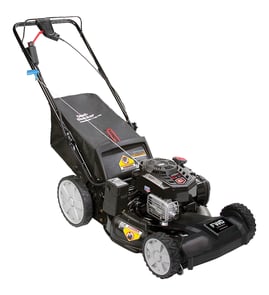




What octane gas should I use in my lawn mower?
For the Husqvarna 917380451 walk-behind mower, we recommend unleaded regular gasoline (87 octane). The owner’s manual also notes that gasoline with up to 10% ethanol (E10) is acceptable; more than 10% ethanol can cause problems and void warranty coverage. See the 917380451 owner's manual.
Fuel type guidelines for this model
- Use fresh, unleaded regular fuel (typical pump 87 octane).
- E10 (up to 10% ethanol) is OK.
- Avoid E15, E20, E85 or any fuel labeled more than 10% ethanol.
- Do not use stale fuel from last season.
- Keep fuel clean; dirt or rust in a gas can often leads to hard starting and rough running.
Quick reference table
| Fuel choice | OK to use? | Why |
|---|---|---|
| 87 octane, unleaded regular | Yes | Correct everyday fuel for this mower |
| 89 to 93 octane, unleaded | Yes | Runs fine, but usually offers no benefit in small engines |
| Up to E10 ethanol blend | Yes | Specifically listed as acceptable |
| More than E10 ethanol blend | No | Can damage fuel system components and affects warranty |
| Old fuel (stored from last season) | No | Common cause of no-start and surging |
Tips that prevent fuel-related starting problems
- Buy fuel in small quantities so it gets used within a few weeks.
- If the mower will sit, add fuel stabilizer and run the engine briefly to circulate it.
- Store gasoline only in a clean, approved container; replace rusty cans.
- If the engine won’t start after storage, drain old fuel and refill with fresh 87 octane.
Why it matters
Using the right gasoline helps the carburetor and fuel system stay clean, reduces hard-start issues, and protects engine performance. On the 917380451, staying at E10 or less is especially important for reliability and warranty protection.
Last updated: January 2026
How much does a 21 inch gas lawn mower weigh?
A typical 21-inch gas walk-behind mower weighs about 60 to 90 lb. Your Husqvarna 917380451 is a similar-size, self-propelled gas mower (22-inch deck), so it generally falls in that same range; check the 917380451 owner's manual for model-specific specifications.
Typical weight range (what to expect)
Most 21-inch class gas mowers vary in weight based on drive system, deck material, and engine size.
- Push (non-propelled): often lighter
- Self-propelled: usually heavier due to transmission, belt, and drive components
- Steel deck: typically heavier than composite decks
- Bagging and 3-in-1 capability: can add a few pounds
Quick comparison table
| Mower type (21-inch class) | Typical weight | What changes it most |
|---|---|---|
| Push gas mower | 55 to 75 lb | deck material, engine size |
| Self-propelled gas mower | 70 to 95 lb | transmission, drive belt, wheels |
Why weights vary on the 917380451-STYLE platform
Your 917380451 platform includes self-propelled drive components that commonly add weight compared to a basic push mower.
- Drive system parts like the ground drive belt and transmission add mass
- Larger rear wheels and hardware can increase overall weight
- A 3-in-1 blade and bagging setup can add a little weight
If you are servicing the drive system, the lawn mower wont move troubleshooting video motion drive failure guide helps you narrow down whether the belt, pulley, or transmission is causing problems.
Why it matters
Knowing the approximate mower weight helps with safe lifting, choosing ramps, and planning transport. It also helps you compare models if you are deciding between a self-propelled mower and a lighter push mower.
Last updated: January 2026
What are the most common lawn mower repairs?
For the Husqvarna 917380451 walk-behind mower, the most common repairs are no-start or hard-start issues, rough running or surging, poor cutting quality, and self-propel drive problems. These usually trace back to routine wear items (blade, belts) or basic maintenance points (fuel, spark, airflow) outlined in the 917380451 owner's manual.
Most common repairs we see (and what to check first)
- Won’t start / hard to start: old fuel, fouled spark plug, dirty air filter, stuck recoil starter
- Surging or runs rough: restricted fuel flow, dirty carburetor passages, air leak, clogged filter
- Cuts unevenly / leaves strips: dull or bent blade, blade installed incorrectly, deck packed with grass
- Excess vibration: unbalanced blade, loose blade bolt, damaged blade adapter
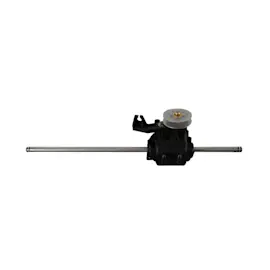
- Self-propel won’t move or slips: worn or stretched drive belt, debris under drive cover, transmission wear
Quick troubleshooting steps (safe and effective)
- Disconnect the spark plug wire before servicing; the manual calls this out to prevent accidental starting.
- Inspect and clean the deck and drive area; keeping the machine free of grass and debris prevents many performance issues.
- Check blade condition and tightness. The manual specifies a blade bolt torque of 35 to 40 ft-lbs and notes the bolt is heat treated.
- For drive complaints, inspect the belt and pulleys for glazing, cracking, or slack.
Common symptoms and likely fixes
| Symptom | Most likely cause | Typical fix |
|---|---|---|
| Engine won’t start | Fuel or ignition issue | Fresh gas, spark plug service, air filter check |
| Surges at idle | Fuel restriction | Clean fuel system, carburetor service |
| Poor cut quality | Blade issue | Sharpen or replace blade |
| Won’t self-propel | Drive system wear | Replace belt, clean drive area |
Parts that commonly wear on this model
- Lawn mower 22-in deck 3-in-1 blade 532420463 (cut quality and vibration complaints)
- Lawn mower ground drive belt 532196853 (self-propel slipping or no movement)
- Grass catcher components (wear and deterioration are expected with normal use)
Why it matters
Catching these issues early protects the engine and drive system. For example, an unbalanced blade can cause ongoing damage, and a dirty drive area can shorten belt and transmission life.
Helpful DIY guides
Last updated: January 2026
What is the best lawn mower for an elderly person?
For most elderly users, the best choice is a lightweight, self-propelled walk-behind mower with easy-start controls, a comfortable handle height, and simple height adjustment. If you already own a Husqvarna 917380451, keeping the drive system and wheels moving freely can make it much easier to push and control; see the 917380451 owner's manual.
What to look for (features that reduce effort)
- Self-propelled drive (front or rear drive) to reduce pushing force
- Easy pull-start or electric start (if available on the mower) and a reliable recoil starter
- Lightweight deck and good balance for easier turning
- Single-lever or simple wheel height adjustment (never adjust while the engine is running)
- Comfort grips and adjustable handle height to reduce wrist and back strain
- Bagging or mulching options to match how often the lawn is cut
If you have the Husqvarna 917380451: quick ways to make it easier to use
A mower that feels “too hard to push” is often a maintenance issue, not a mower-size issue.
- Clean grass and debris from the drive wheel area so the wheels turn freely
- Check the drive belt for wear or slipping; replace if glazed, cracked, or stretched
- Keep the underside of the deck clean to reduce drag and clumping
- Use a sharp blade for smoother cutting and less engine load
Helpful parts for common “hard to push” complaints
| Symptom | Common cause | Example part for this model |
|---|---|---|
| Self-propel feels weak | Worn/slipping belt | Lawn mower ground drive belt 532196853 |
| Mower drags or won’t roll smoothly | Debris in drive wheels or worn wheel parts | Lawn mower wheel dust cover 581840401 |
| Poor cut, more effort required | Dull/bent blade | Lawn mower 22-in deck 3-in-1 blade 532420463 |
Why it matters
For an elderly operator, reducing push force and improving control lowers fatigue and helps prevent slips, especially when mowing thicker grass. The manual also emphasizes safe operation practices like stopping to inspect after striking an object and using extra caution around sharp blades.
Last updated: January 2026