Error Codes



What is the disadvantage of a wall oven?
A wall oven like model 21136 costs more to buy and install than a freestanding range, and repairs can take longer because the unit is built into cabinetry. You also need a separate cooktop, which adds cost and requires more planning for space and electrical.
Common disadvantages (what we see most often)
- Higher total cost: wall oven plus a separate cooktop, plus cabinetry work.
- More complex installation: electrical and cabinet cutout must be correct; removal is not quick.
- Harder service access: built-in design can make troubleshooting and part replacement more involved.
- Ergonomics vary: depending on mounting height, you may still bend to load heavy roasts or lift hot dishes.
- More planning for ventilation and layout: especially if pairing with a downdraft or hood system.
Quick comparison: wall oven vs. range
| Feature | Wall oven | Freestanding range |
|---|---|---|
| Upfront cost | Higher (oven + cooktop) | Usually lower (all-in-one) |
| Installation | Cabinet cutout and electrical planning | Typically simpler hookup |
| Repairs | Often more labor to access | Easier access in many kitchens |
| Layout flexibility | Flexible placement (at eye level if desired) | Fixed location |
Why it matters
Wall ovens are a great fit when you want a built-in look or prefer the oven at a more comfortable height, but the tradeoff is usually higher project cost and more involved service. If you are budgeting for ownership, plan for occasional wear items like an oven bulb 8009 and heating components.
Last updated: January 2026
How long do Jenn Air wall ovens last?
A Jenn-Air wall oven like model 21136 typically lasts 15 years with normal household use. Keeping the oven clean, protecting electrical connections, and replacing wear items promptly helps you reach (and often exceed) that lifespan.
Typical lifespan and what affects it
Most wall ovens fall into a predictable range, and the biggest differences come down to heat stress, cleaning habits, and how quickly small issues are fixed.
- Typical lifespan: about 15 years
- Heavy use (daily high-heat cooking): often 10 to 12 years
- Light to moderate use with good care: often 15 to 20 years
- Self-clean overuse can shorten component life due to extreme heat
- Power issues (loose terminals, overheating wiring) can accelerate failures
Parts that commonly limit oven life
When a wall oven “wears out,” it is usually one or two serviceable parts failing, not the cabinet itself.
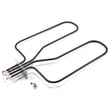
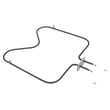
- Heating performance issues: consider the bake element WPY04000066 or broiler element WPY04000048
- Door sealing problems that cause long preheat times: check the seal WP854334
- Dim or failed interior lighting: replace the oven bulb 8009
- Self-clean door not locking or unlocking: inspect the latch assembly (if equipped)
Quick “is it worth repairing?” guide
| What you see | Most likely area | Typical next step |
|---|---|---|
| Slow preheat, uneven baking | Bake circuit | Test/replace bake element |
| No broil heat | Broil circuit | Test/replace broiler element |
| Heat seems weak, cabinet gets hot | Door seal | Replace door seal |
| Oven works but light is out | Lamp circuit | Replace oven bulb |
Why it matters
A wall oven is a long-life appliance; planning around a 15-year service life helps you decide when a repair (like a heating element or door seal) makes sense versus budgeting for replacement.
Last updated: January 2026
Does anyone make a 36 wall oven?
Yes. Several manufacturers make 36-inch wall ovens, but they are less common than 24-inch, 27-inch, and 30-inch sizes. If you are replacing a built-in unit, we recommend matching the existing cabinet cutout and electrical or gas requirements before choosing a new 36-inch model.
What “36-inch wall oven” usually means
Most “36-inch” wall ovens refer to the approximate exterior width; the required cabinet cutout width and height can differ by brand and by single-oven vs double-oven designs.
Common 36-inch configurations include:
- Single wall ovens with extra-wide cavities
- Double wall ovens in a wider frame
- Specialty designs (for example, French-door wall ovens)
How to confirm a 36-inch oven will fit your space
Before buying, measure the cabinet opening and compare it to the new oven’s cutout specs.
Use this checklist:
- Cutout width, height, and depth (measure in at least 3 places)
- Electrical supply (most electric wall ovens use 240V; verify breaker size and wiring)
- Gas supply and venting needs (if choosing a gas wall oven)
- Door swing clearance and nearby drawers or islands
- Trim overlap (how much the oven frame covers the cabinet edges)
Quick comparison: common wall oven widths
| Nominal width | Typical availability | Best for |
|---|---|---|
| 24-inch | Common | Smaller kitchens, European-style layouts |
| 27-inch | Common | Replacing older 27-inch cutouts |
| 30-inch | Most common | New installs and widest selection |
| 36-inch | Less common | Extra capacity, specialty designs |
Why it matters for Jenn-Air model 21136 replacements
For Jenn-Air model 21136, the cabinet cutout is the deciding factor. A “36-inch” oven from another brand may not match your existing opening without cabinet modification, even if the listed width sounds correct.
If you are repairing instead of replacing, common service parts for this model include the bake element WPY04000066 and oven bulb 8009.
Last updated: January 2026
Why is my JennAir wall oven not turning on?
If your Jenn-Air wall oven model 21136 will not turn on, the most common causes are a tripped breaker, a loose or burned power connection, or a failed internal component such as the door latch circuit or heating circuit. Start by confirming the oven is getting the correct power supply.
Quick checks (most common fixes)
- Reset the oven’s power at the home breaker for 5 minutes, then restore power.
- Confirm the breaker is fully reset (switch OFF, then ON); wall ovens often use a 240V double-pole breaker.
- Check that the oven door is fully closed; some models will not start certain functions if the latch system is stuck.
- If the display is blank, check for a burned wire connection at the junction box (power must be OFF before inspecting).
- If the display works but it will not heat, a failed heating circuit component is likely.
What to test next (power OFF unless measuring voltage)
- Incoming power: Verify the oven is receiving the correct supply (typically 240V across L1 to L2, and 120V from each leg to neutral).
- Burned connections: Look for heat damage at the junction box and terminal area; repair any damaged wiring and connectors.
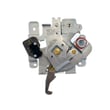
- Door latch system: If the oven thinks it is locked, it may not start. A failing latch mechanism can interrupt operation; consider inspecting the latch assembly 8002P016-60.
- Heating circuit: If the oven powers on but will not bake, the bake element can fail open; inspect for blisters or breaks and consider the bake element WPY04000066.
- Control or safety devices: If power is present but the oven is dead, a failed control or thermal safety device is a common root cause.
Symptoms and likely causes
| Symptom | What it usually points to | What to do |
|---|---|---|
| No display, no lights | No power, bad connection, failed safety device | Reset breaker, inspect junction box, test supply |
| Display works, no heat | Failed element, wiring, or control relay | Inspect and test bake/broil circuits |
| Starts then shuts off | Overheating, loose connection, failing component | Check wiring, ventilation, and safety devices |
Why it matters
A wall oven that will not turn on is often a power delivery issue (breaker, wiring, terminal connections). Catching a loose or overheated connection early helps prevent repeat failures and protects the control and heating circuits.
Last updated: January 2026