Owner’s manual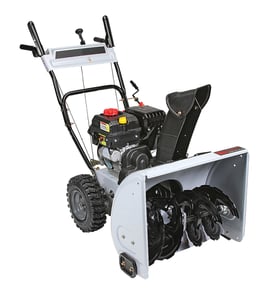




What is the typical lifespan of a gas snowblower?
A typical gas snowblower lasts 10 to 15 years. For a Craftsman snow thrower like model 247885550, consistent seasonal maintenance (oil changes, belt checks, lubrication, and proper off-season storage) is what most directly determines whether you land closer to 10 years or push past 15.
What most affects lifespan
- Maintenance frequency: checking oil before use and changing oil on schedule
- Drive and auger belt condition: worn V-belts reduce performance and can cause secondary wear
- Lubrication: pivot points and moving linkages last longer when oiled seasonally
- Storage habits: stabilized fuel and rust prevention reduce carburetor and corrosion issues
- Operating conditions: gravel, ice chunks, and heavy wet snow increase wear on auger and drivetrain
Maintenance checkpoints we recommend for 247885550
Use the intervals and procedures in the 247885550 owner's manual. Key items called out in the manual include oil checks before operation, oil changes after the first 2 hours and then about every 25 hours, seasonal lubrication, and periodic V-belt inspection.
| Task | Typical interval | Why it matters |
|---|---|---|
| Check engine oil | Before each use | Prevents accelerated engine wear |
| Change engine oil | After first 2 hours; then about every 25 hours | Extends engine life |
| Check V-belts | About every 50 hours | Avoids slipping and loss of drive/auger power |
| Lubricate pivot points | Once per season | Reduces binding and cable/control wear |
| End-of-season storage steps | End of season or 30+ days unused | Prevents fuel-system problems and rust |
Signs your snowblower is nearing end-of-life
- Hard starting even with fresh fuel and correct choke/prime technique
- Loss of throwing distance after belts, skid shoes, and basic tune-up items are addressed
- Excessive vibration or grinding noises from the auger/impeller area
- Drive system slipping or inconsistent ground speed
- Frequent breakdowns that go beyond normal wear items
Why it matters
A gas snowblower is a seasonal machine; most “early failures” come from stale fuel, skipped oil changes, and lack of lubrication. Following the storage and maintenance schedule keeps the engine, auger system, and drive components working reliably for many winters.
Last updated: January 2026
How to get rid of an old snowblower?
If you are getting rid of a Craftsman snow thrower model 247885550, the best options are donation (if it still runs), metal recycling (most units are largely steel), or a bulk-item pickup service. Drain fuel and oil first and follow local disposal rules for fluids.
Best disposal options
- Donate or sell if it starts, drives, and throws snow safely.
- Scrap metal recycling for non-working units; remove personal add-ons and bring it to a recycler.
- Municipal bulky-item pickup if your city offers seasonal pickup.
- Small-engine repair shop or dealer; some accept trade-ins or recycling.
- Junk removal service if you cannot transport it.
Prep steps before you move or dispose of it
We recommend these steps to prevent spills and reduce fire risk:
- Run the engine briefly to warm it, then shut it off and let it cool.
- Shut off the fuel valve (if equipped) and drain the gas into an approved container.
- Drain engine oil into a proper oil pan and recycle it.
- Remove the spark plug wire to prevent accidental starting during handling.
- Clear packed snow and debris from the auger housing and chute.
For model-specific safety and storage guidance, follow the 247885550 owner's manual.
What to do with gas and oil (do not trash them)
Most communities treat these as household hazardous waste.
| Item | What to do | Why |
|---|---|---|
| Gasoline | Take to HHW drop-off or recycling center | Flammable, contaminates soil and water |
| Engine oil | Recycle at an auto parts store or oil recycler | Protects waterways, often required by local rules |
| Oily rags | Store in a sealed metal container until disposal | Reduces fire risk |
Why it matters
Snowblowers contain recyclable metal and small-engine fluids. Disposing of fuel and oil correctly helps protect the environment and reduces the chance of fires, spills, and property damage.
Last updated: January 2026
What size belt is a Craftsman 247885550 snow thrower?
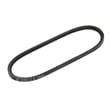
For the Craftsman 247885550 snow thrower, belt size is identified by the specific belt (auger belt vs drive belt), not just the machine model. This model uses two V-belts (auger and drive); we recommend matching the belt by the part listing and belt routing shown in the 247885550 operator’s manual.
Which belt are you measuring?
This snow thrower has two belts, and they are not interchangeable.
- Auger belt: drives the auger and impeller (snow-throwing system)
- Drive belt: drives the wheels (self-propel system)
- Both belts should be checked for cracking, fraying, glazing, or stretching
- It is best practice to replace both belts at the same time if one is worn
How to confirm the correct belt size (best method)
We use the belt routing and parts identification in the manual to ensure the replacement matches the original specifications.
- Remove the belt cover.
- Identify whether you are replacing the auger belt or the drive belt.
- Compare the belt routing and belt callouts in the 247885550 operator’s manual.
- If the old belt is still intact, match it by:
- belt width (top width)
- outside circumference (length)
- belt profile (V-belt angle)
Typical belt sizing guidance (what to expect)
Exact belt dimensions vary by belt type, but most snow thrower belts fall into common ranges.
| Belt type | Typical top width | Typical length range | What you notice when it’s wrong |
|---|---|---|---|
| Auger belt | 3/8 to 1/2 inch | ~30 to 40 inches | Auger does not spin or slips under load |
| Drive belt | 3/8 to 1/2 inch | ~30 to 45 inches | Unit will not move or surges/slips |
Why it matters
Using the correct belt size and profile keeps pulley alignment and tension correct. A belt that is too long slips and overheats; a belt that is too short overloads bearings and can prevent proper clutch engagement.
Last updated: January 2026