Error Codes


How often should I change the water filter in my KitchenAid refrigerator?
For your KitchenAid KRFF577KPS05 bottom-mount refrigerator, we recommend changing the water filter about every 6 months, sooner if water flow slows down or ice cubes get smaller. Replacing the filter on schedule helps protect taste, flow rate, and ice maker performance.
When to replace it sooner
Replace the filter before 6 months if you notice any of these common symptoms:
- Water dispenser flow is slow or sputters
- Ice production drops or stops
- Ice cubes are smaller or hollow
- Water tastes or smells off
- The filter indicator light turns on (if your model has one)
A clogged filter restricts water supply to the dispenser and ice maker, which can look like an ice maker or valve problem even when the refrigerator is otherwise fine.
Which filter fits KRFF577KPS05?
Use the model-matched filter listed for this refrigerator: refrigerator cartridge wrap assembly EDR2RXD1.
| What you’re doing | Typical interval | Why it helps |
|---|---|---|
| Routine replacement | Every 6 months | Maintains water flow and filtration performance |
| Heavy use or poor water quality | Every 3 to 4 months | Prevents clogs and off-taste sooner |
| After long non-use (vacation) | Replace if taste/flow is affected | Flushes old water and restores performance |
Quick tips after installing a new filter
These steps prevent cloudy water, air in the line, and weak dispensing right after replacement:
- Seat the filter fully and lock it in place
- Dispense and discard several cups of water to clear air and carbon fines
- Check for leaks around the filter housing
- If the dispenser still sputters, purge air from the system using how to purge air from a refrigerator water dispenser video
Why it matters
A fresh water filter helps your KRFF577KPS05 deliver steady dispenser flow and consistent ice maker fill. It also reduces the chance of nuisance issues like slow dispensing, small cubes, and longer fill times.
Last updated: February 2026
Why is my KitchenAid refrigerator leaking at the bottom?
A bottom leak on your KitchenAid KRFF577KPS05 refrigerator is usually caused by a clogged defrost drain, a leaking water supply connection, or a problem in the ice maker or dispenser water circuit. Start by identifying whether the water is clear (water system) or slightly dirty (defrost drain).
Quick checks to pinpoint the source
- Pull the refrigerator forward and look for water on the floor behind it (often a supply line or valve issue).
- Check the freezer floor for a thin sheet of ice or water under the bottom drawer (common with a defrost drain clog).
- Look under the crisper drawers for water pooling (can be a drain issue or internal water line leak).
- Dispense water and watch for drips at the dispenser area and down the door.
- Check the ice maker area for frost or an ice buildup near the fill tube.
Most common causes (and what to do)
| What you see | Most likely cause | What to do next |
|---|---|---|
| Water appears after defrost cycles; water/ice in freezer bottom | Defrost drain clogged or frozen | Clear the drain path and flush with warm water; keep food packages from blocking vents/drain area |
| Puddle behind fridge | Loose/damaged water line or connection | Tighten fittings, fully seat tubing, replace damaged tubing if kinked or cracked |
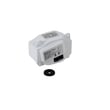
| Leak only when making ice | Frozen fill tube or leaking valve | Inspect fill tube for ice; test the inlet valve; consider fill tube heater W11087201 if the tube keeps freezing |
| Slow drip, weak water flow, or intermittent ice | Water inlet valve not sealing or restricted | Diagnose the valve and replace if it seeps or won’t close fully; see valve, dual water W11482383 |
Why it matters
Even a small leak can warp flooring, cause ice buildup in the freezer, and lead to temperature swings that affect food safety. Fixing the source early also prevents strain on components like the ice maker and water inlet valve.
Helpful DIY guidance
For step-by-step troubleshooting of water-system leaks and valve testing, use how to diagnose a faulty refrigerator water inlet valve. For puddles and drain-related leaks, use how to get rid of refrigerator puddles.
Last updated: February 2026
How to clean defrost drain on KitchenAid refrigerator?
On KitchenAid model KRFF577KPS05, we clean a clogged defrost drain by fully melting any ice in the drain trough under the evaporator cover, then flushing the drain hole with hot water until it runs freely to the drain pan underneath. This stops water leaks and ice buildup caused by a blocked drain.
Quick steps to clear the defrost drain
- Unplug the refrigerator (or switch off power at the breaker).
- Remove food and bins from the freezer as needed for access.
- Melt ice in the drain trough using a hair dryer on low or a steamer (keep heat moving).
- Flush the drain hole with very hot water using a turkey baster or squeeze bottle.
- Repeat until water flows quickly and you hear it dripping into the drain pan below.
- Reassemble panels and restore power; confirm normal cooling and no new puddles.
What to use (and what to avoid)
| Method | Works best for | Notes |
|---|---|---|
| Very hot water + baster | Sludge, light ice | Safest first choice; repeat several times |
| Steamer | Heavy ice plug | Fast; avoid soaking wiring/connectors |
| Flexible plastic tube | Gunk in the drain line | Feed gently; do not force |
| Compressed air | Stubborn blockage | Use short bursts; protect eyes and keep pressure moderate |
If it clogs again soon
A repeat clog usually means the drain line is refreezing or draining slowly.
- Make sure the freezer door closes tightly and the gasket seals all the way around.
- Check for frost buildup that suggests an airflow or defrost issue.
- If temperatures seem erratic, a sensor problem can contribute; the refrigerator thermistor W11724692 is one part we commonly see involved in temperature feedback.
Why it matters
A clear defrost drain prevents water from backing up into the freezer, forming ice sheets, dripping into the fresh food section, and causing odors or mold in hidden areas.
Related help: how to get rid of refrigerator puddles
Last updated: February 2026
What is the most common problem with KitchenAid refrigerators?
The most common KitchenAid refrigerator issues are ice maker problems and inconsistent cooling. On the KRFF577KPS05, those symptoms are often tied to water supply and filtration, airflow (evaporator fan), or temperature sensing, so we start troubleshooting with the simplest checks first using model-matched parts and proven steps like common refrigerator ice maker problems and solutions.
Most common symptoms you will notice
- Ice maker stops making ice, makes hollow cubes, or produces slowly
- Water dispenser flow is weak or sputters
- Fresh food section is warm but freezer seems OK (airflow issue)
- Temperatures swing up and down (sensor or control issue)
- Frost buildup, water puddles, or gurgling and buzzing noises
Quick checks that fix many “common” problems
- Confirm temperatures: Set refrigerator to about 37°F and freezer to about 0°F.
- Check airflow: Make sure vents are not blocked by food packages.
- Replace the water filter on schedule: A restricted filter can reduce water flow to the dispenser and ice maker. Use the model-matched refrigerator cartridge wrap assembly EDR2RXD1 and follow how to replace the water filter in a KitchenAid refrigerator.
- Purge air after filter changes: Air in the line can cause sputtering and slow ice production.
- Listen for the evaporator fan: If the fan is not running, cooling in the refrigerator section often suffers.
Parts that commonly solve these problems on KRFF577KPS05
| Problem area | What fails | Example model-matched part |
|---|---|---|
| Ice production | Ice maker assembly | Ice maker as W11658802 |
| Water flow to ice/dispenser | Dual water inlet valve | Valve, dual water W11482383 |
| Temperature swings | Temperature sensor | Refrigerator thermistor W11724692 |
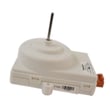
| Warm fresh food section | Evaporator fan motor | Evap mtr/har W11578030 |
| Odors (often mistaken for “cooling issues”) | Air filter | Refrigerator air filter W10311524 |
Why it matters
Ice maker and cooling complaints usually share the same root causes: restricted water flow, poor airflow, or bad temperature feedback to the control system. Fixing the underlying cause prevents repeat failures and helps protect food quality.
Last updated: February 2026