Owner’s manual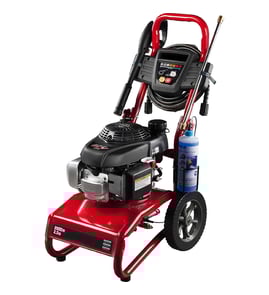



How many PSI is a normal pressure washer?
A “normal” pressure washer for typical home use usually runs about 1,300 to 2,800 PSI. Your Craftsman pressure washer model 580767202 is designed for outdoor cleaning tasks in that general range; use the 580767202 owner's manual to match PSI and spray tip choice to the job.
- 1,300 to 2,000 PSI: cars, patio furniture, grills, light siding rinse
- 2,000 to 2,800 PSI: decks, fences, most driveway and patio cleaning
- 2,800 to 3,500 PSI: heavier concrete cleaning, paint prep (more risk of damage)
- 3,500+ PSI: commercial and heavy-duty use (not typical for homeowners)
Use the lowest effective pressure first, then increase only if needed.
- Start with a wider fan spray tip and increase pressure gradually
- Keep the wand moving; avoid holding the spray in one spot
- Increase distance from the surface to reduce effective pressure
- Use detergent for grime instead of “turning up” pressure
- Test on an inconspicuous area before cleaning the full surface
| Task | Typical PSI | Notes |
|---|---|---|
| Washing a car | 1,300 to 1,900 | Use a wider fan tip; keep distance to protect paint |
| Cleaning a deck | 1,500 to 2,500 | Too much PSI can gouge wood |
| Concrete patio/driveway | 2,000 to 3,000 | Use steady passes; pretreat stains when possible |
| Siding | 1,300 to 2,500 | Avoid forcing water behind siding |
PSI is what removes dirt, but too much PSI (or the wrong spray tip and distance) can damage wood fibers, etch concrete, strip paint, or force water into places it should not go. Following the model-specific guidance in the manual helps you clean faster while protecting surfaces.
Last updated: January 2026
What kind of gas goes in a Craftsman 3000 PSI pressure washer?
For the Craftsman pressure washer model 580767202, we use clean, fresh unleaded gasoline with a minimum 87 octane (87 AKI) rating. Avoid old fuel and never mix oil into the gas unless your engine specifically calls for a fuel mix in the 580767202 owner's manual.
Use standard pump gas and keep it simple:
- Use unleaded gasoline, 87 octane (AKI) or higher
- Use fresh fuel (ideally less than 30 days old)
- Avoid gasoline contaminated with water or dirt
- Avoid using “stale” fuel left in a can over a season
- Do not use diesel or kerosene
| Item | What we recommend | Why |
|---|---|---|
| Octane | 87 AKI minimum | Helps prevent hard starting and poor running |
| Fuel condition | Fresh, clean | Reduces carburetor varnish and clogging |
| Container | Approved gas can | Helps keep debris and moisture out |
| Mixing oil | No (typical) | Most pressure washer engines are 4-cycle |
Fuel issues often show up as surging, stalling, or losing power. Check these common causes first:
- Drain and replace old gas with fresh 87+ octane
- Confirm the fuel shutoff valve is fully open (if equipped)
- Check for a clogged chemical pickup filter if you use detergent (see filter 709496)
- Inspect the spray tip for blockage and verify good garden-hose flow
- If symptoms persist, follow the steps in pressure washer engine losing power
Using the correct gasoline helps your 580767202 start easier, run smoother under load, and reduces carburetor and fuel-system problems that can lead to no-start or power-loss complaints.
Last updated: January 2026
Is it worth repairing a pressure washer?
For the Craftsman pressure washer model 580767202, repairing is worth it when the problem is a wear item (hose, O-ring, seal) or a simple pump-related fix; replacement makes more sense when the pump or engine repair cost approaches about half the price of a comparable new unit. Use the 580767202 owner's manual to confirm maintenance steps and safe operating checks before you decide.
- Repair it if the washer is otherwise reliable and the issue is a leak, worn seal, clogged injector, or damaged hose
- Repair it if you can restore performance with routine maintenance (fresh fuel, clean inlet screen, correct spray tip)
- Replace it if the engine has low compression, severe internal damage, or repeated no-start issues
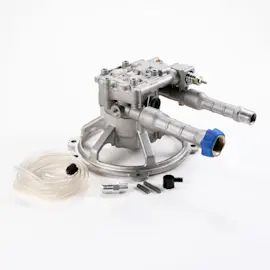
- Replace it if the pump housing is cracked or the pump is badly worn and a full pump replacement is needed
- Replace it if repair cost (parts plus labor) is near 50% or more of the cost of a similar new pressure washer
These are typical, cost-effective fixes on gas pressure washers like the 580767202:
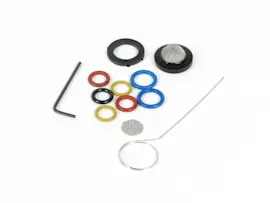
- Replace a leaking pump seal such as the piston seal 93680GS
- Replace worn connection seals such as the o-ring B2218GS
- Replace a damaged high-pressure line such as the 30'hose 84006753
- Clean or replace the chemical pickup filter (often restores soap draw and reduces surging)
| Situation | Typical outcome | Usually worth repairing? |
|---|---|---|
| Minor leak at fittings or wand | New O-ring/washer, tighten fittings | Yes |
| Low pressure from wear or internal pump issue | Seal kit or pump service | Often |
| Pump replacement needed | Full pump swap | Depends |
| Engine won’t start repeatedly | Fuel/ignition/compression diagnosis | Depends |
A pressure washer that surges, leaks, or has low pressure can damage the pump, waste water, and make cleaning take much longer. Fixing small issues early (seals, hoses, injector filter) often prevents a much more expensive pump failure.
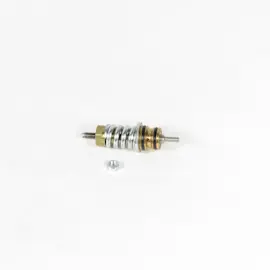
When pressure spikes, surges, or won’t regulate, follow a proven repair path such as how to replace a pressure washer unloader valve before replacing major assemblies.
Last updated: January 2026