Owner’s manual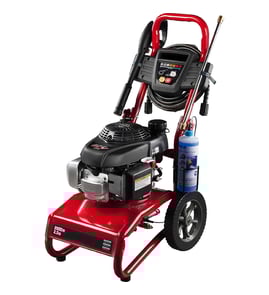





Is it worth repairing a pressure washer?
Yes; repairing a pressure washer is worth it when the issue is a wear item or a single, diagnosable failure and the total repair cost stays well below the cost of a comparable new unit. For the Craftsman 580752541 gas pressure washer, repairs are usually the best choice for pump control problems, leaks, and routine maintenance (see the 580752541 owner's manual for model-specific service and safety guidance).
Quick decision checklist
- Repair it if the engine runs smoothly and pressure loss is tied to pump controls (surging, low pressure, pressure spikes).
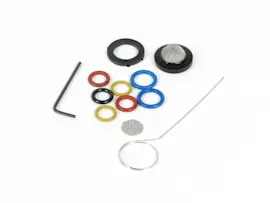
- Repair it if the fix is a common service item (O-rings, check valves, chemical injector parts, spray tips).
- Repair it if the frame, hose connections, wand, and pump head are in good condition.
- Replace it if the engine has major internal damage (knocking, seized, heavy smoke).
- Replace it if the pump housing is cracked or badly corroded and multiple components are failing.
Typical repair cost vs. replacement value
Use this practical rule: if the repair total is around 50% or more of what you would spend on a similar new gas pressure washer, replacement usually makes more sense.
| Symptom or condition | What it usually points to | Best move |
|---|---|---|
| Engine runs, pressure surges or drops | Unloader or valve issue | Repair |
| Leaks at fittings or pump | Seals, O-rings, check valves | Repair |
| Won’t start plus poor compression | Engine wear or internal damage | Replace |
| Multiple failures at once | High total parts and labor | Replace |
Model-relevant parts that often make repair worthwhile
If your Craftsman 580752541 builds pressure then dumps it, surges, or stays at low pressure, the unloader system is a common fix point.
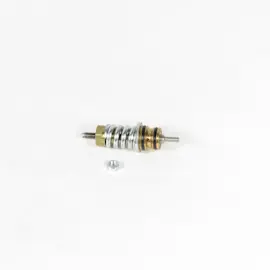
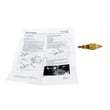
- Unloader kit 772235 (part number 200348GS): restores pressure regulation when the pump cannot maintain steady pressure.
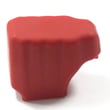
- Briggs & statton lawn & garden equipment engine control knob 695755: restores proper throttle/control operation if the control is broken or slipping.
Why it matters
A correct repair helps the washer maintain consistent PSI and flow, which reduces pump stress and helps prevent repeat failures such as overheating, seal damage, and premature pump wear.
Helpful DIY guidance
Last updated: February 2026
How can I tell if my pressure washer pump is bad?
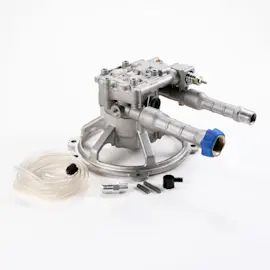
If your Craftsman 580752541 gas pressure washer has low or no pressure, surging (pulsing) spray, pump leaks, or the engine bogs when you squeeze the trigger, the pump system has a failure or restriction. Most “bad pump” complaints trace to worn seals, stuck check valves, or a failing unloader.
Quick symptoms that point to a pump problem
- Low pressure even with the correct spray tip installed
- Pressure pulses (surges) while the engine speed stays steady
- Water leaking from the pump head or around fittings
- Loud pump noise (grinding, knocking, or squealing)
- Engine bogs or stalls when the trigger is pulled
- Pressure drops quickly when you stop spraying (unloader issue)
Rule out the common non-pump causes first
Before replacing the pump, we recommend these fast checks because they mimic pump failure:
- Nozzle/spray tip: remove and clean; a partially clogged tip causes low pressure and pulsing.
- Water supply: confirm full flow from the hose; kinked hoses and weak spigots starve the pump.
- Inlet screen: clean the screen at the pump inlet.
- Air leaks: tighten hose connections; air in the inlet line causes surging.
- Chemical injector: if it is stuck open, it can reduce pressure.
Simple tests you can do at home
| Test | What you do | What it means if it fails |
|---|---|---|
| “No-tip” flow test | Remove the spray tip and spray | If it still surges, look at unloader/check valves more than the tip |
| Bypass test | Release trigger; listen for smooth bypass | Chattering or rapid cycling points to an unloader problem |
| Leak check | Run and inspect pump head/fittings | Leaks often mean worn seals or cracked pump head |
Parts that commonly cause “bad pump” symptoms
If pressure is unstable or the engine loads hard when spraying, the unloader is a top suspect. For this model, the unloader kit 772235 is a common repair path. Use the owner's manual for model-specific safety steps, startup procedure, and pump care that prevents repeat failures.
Why it matters
Running with low water flow, air leaks, or a sticking unloader can overheat the pump and quickly damage seals and valves. Catching the cause early often prevents a full pump replacement.
Last updated: February 2026
How many PSI is a Craftsman 190cc pressure washer?
Many Craftsman pressure washers marketed as “190cc” are in the 3,000 PSI class; for Craftsman model 580752541, use the PSI rating listed on the unit’s data label and confirm the exact specification in the 580752541 owner's manual.
What “max PSI” means
“Max PSI” is the peak pressure the pump can produce under ideal conditions. Your working pressure at the surface changes based on setup and the spray tip you use.
- Narrower tips concentrate force and feel stronger at the surface
- Wider tips reduce force but cover more area
- Low inlet water flow causes weak pressure and surging
- Air in the pump causes pulsing until purged
- A sticking unloader can make pressure spike, drop, or oscillate
Quick PSI expectations by spray tip
| Spray tip | Common use | Pressure at the surface |
|---|---|---|
| 0° (red) | Spot cleaning only | Highest, most aggressive |
| 15° (yellow) | Concrete, heavy grime | High |
| 25° (green) | Siding, decks | Medium |
| 40° (white) | Rinsing, delicate surfaces | Lower |
| Soap tip | Detergent application | Lowest |
If your pressure seems low or pulses
These steps fix most “not enough PSI” complaints on gas pressure washers.
- Verify strong water supply (hose fully open, no kinks, good flow)
- Remove and clean the spray tip; flush the wand
- Clean the pump inlet screen
- Purge air: run water through the gun for 1 to 2 minutes before starting
- If surging continues, service the unloader; the unloader kit 772235 is the replacement part listed for this model
Why it matters
Using the correct PSI range and spray tip prevents surface damage and helps you tell the difference between a setup issue (water supply, tip) and a pump control issue (unloader).
Last updated: February 2026
What is a good PSI for a gas pressure washer?
For most home tasks, a good gas pressure washer PSI is typically 1,300 to 2,800 PSI. For your Craftsman 580752541 pressure washer, use the PSI range that matches the job and the spray tip you are using; confirm any model-specific ratings in the owner's manual.
Quick PSI guide by job
- 1,300 to 2,000 PSI: cars, patio furniture, grills, delicate surfaces
- 2,000 to 2,800 PSI: decks, fences, siding (use the right tip and distance)
- 2,800 to 3,500 PSI: heavy-duty concrete and tough stains (more risk of surface damage)
- 3,500+ PSI: pro-level work; easy to etch concrete or damage wood if used incorrectly
Choosing PSI vs GPM (what actually cleans faster)
PSI is the “force”; GPM (gallons per minute) is the “rinse power.” For many homeowner jobs, a moderate PSI with higher GPM cleans faster than chasing maximum PSI.
| What you want | Prioritize | Why |
|---|---|---|
| Safer cleaning on wood/paint | Lower PSI | Reduces gouging and peeling |
| Faster rinsing and soap removal | Higher GPM | Moves more water and debris |
| Stubborn grime on concrete | Higher PSI (carefully) | Breaks up bonded dirt |
Why it matters
Using more PSI than you need can damage siding, strip paint, fuzz wood fibers, and force water behind trim. Matching PSI to the surface helps you clean effectively while protecting your home and your pressure washer pump.
Tips to get better results without “more PSI”
- Start with a wider spray tip and increase intensity only as needed
- Keep the nozzle moving; do not dwell on one spot
- Increase distance from the surface before increasing PSI
- Use detergent correctly and rinse thoroughly
- If pressure surges or seems inconsistent, the unloader system may need attention; see how to replace a pressure washer unloader valve
Last updated: February 2026
What kind of gas goes in a Craftsman 3000 PSI pressure washer?
For the Craftsman 580752541 gas pressure washer, we use clean, fresh unleaded gasoline with a minimum 87 octane (87 AKI). Avoid old fuel and don’t mix oil into the gas (this is a 4-cycle engine setup).
What to use (and what to avoid)
- Use unleaded gasoline, 87 octane (AKI) or higher
- Use fuel that’s fresh (ideally less than 30 days old)
- Avoid stale gas (varnish smell, dark color)
- Avoid E85 (high-ethanol fuel)
- Avoid mixing 2-cycle oil into the gasoline
Quick fuel guidance for best starting and performance
Gas pressure washers commonly run best when the fuel system stays clean and dry.
| Fuel choice | OK to use? | Why it matters |
|---|---|---|
| Unleaded 87 AKI | Yes | Correct octane for normal operation |
| Unleaded 89 to 93 AKI | Yes | Fine, but not required |
| E10 (up to 10% ethanol) | Usually | Common at pumps; store fuel carefully |
| E15 or E85 | No | Can cause hard starting and fuel system issues |
If it won’t start or surges after refueling
- Drain the tank and refill with fresh 87+ octane unleaded
- Check that the fuel shutoff (if equipped) is on and the choke is set correctly
- Inspect the air filter and spark plug condition
- If the engine runs but pressure pulses or spikes, the unloader can be involved; see the unloader kit 772235
For step-by-step troubleshooting, use pressure washer won't start or pressure washer engine losing power.
Why it matters
Using the right gasoline helps your Craftsman 580752541 start easier, run smoother under load, and reduces carburetor and fuel-system problems that lead to stalling, surging, or no-start conditions.
For model-specific operating and fueling notes, follow the owner's manual.
Last updated: February 2026