


How much is a combined heating and cooling system?
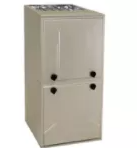
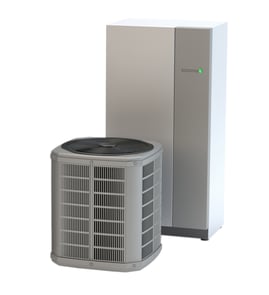
A combined heating and cooling system typically costs $8,000 to $18,000 installed, with many homeowners landing around $12,000 to $15,000 depending on capacity, efficiency, and ductwork. For a York packaged unit like model D1NA030N05606, the installed price is driven as much by labor and setup as the equipment itself.
What changes the price the most
- System type: packaged unit vs split system (outdoor condenser plus indoor furnace/air handler)
- Capacity (tons/BTUs): larger homes need larger equipment
- Efficiency ratings: higher efficiency usually costs more up front
- Ductwork condition: repairs, sealing, or resizing can add significant cost
- Electrical and gas work: disconnects, breakers, gas line changes, venting
- Permits and commissioning: required in many areas for HVAC replacement
Typical cost breakdown (installed)
| Cost item | Common range | What it covers |
|---|---|---|
| Equipment (unit) | $3,500 to $9,000 | packaged HVAC unit, basic accessories |
| Labor | $2,500 to $6,500 | removal, setting unit, connections, startup |
| Ductwork and airflow fixes | $0 to $4,000 | sealing, repairs, transitions, balancing |
| Electrical/gas/venting updates | $0 to $3,000 | code-related updates and hookups |
How to estimate the right budget for your home
- Match the quote to your home size, insulation, and climate, not just the old unit size
- Ask whether the price includes new thermostat, pad/curb, and drain line work
- Confirm if duct sealing and airflow balancing are included
- Compare warranty terms and what labor coverage is included
- Make sure the contractor plans a proper load calculation (not a guess)
Why it matters
An HVAC system that is oversized or installed with poor airflow can cost more to run, cycle on and off too often, and struggle with comfort and humidity. Paying for correct sizing and setup usually saves money over the life of the system.
For help confirming you have the correct model number before pricing parts or replacements, use how to find your appliance model number (and what it means for parts).
Last updated: February 2026
Is it cheaper to repair or replace HVAC parts?
For a York D1NA030N05606 heating and cooling combined unit, it’s usually cheaper to repair when the problem is isolated (one failed electrical or airflow part) and the system is otherwise reliable. Replacement makes more financial sense when repair costs are high, breakdowns are frequent, or efficiency has dropped enough to raise monthly energy costs.
A practical way to decide (repair vs. replace)
Use these common decision checks to keep the math simple:
- 50% rule: If the repair estimate is over about half the cost of a comparable new unit, replacement is typically the better value.
- $5,000 rule: Multiply system age (years) by repair cost; if the result is over 5,000, replacement is typically the smarter long-term choice.
- Frequency rule: If you have had multiple repairs in the last 1 to 2 years, replacement usually wins.
- Efficiency rule: If comfort is uneven and bills are rising, investing in a newer, higher-efficiency unit often pays back.
What usually counts as a “repairable” HVAC part issue
These problems are commonly cost-effective to repair on packaged units like the D1NA030N05606:
- Blown fuse, tripped breaker, or loose electrical connection
- Failed capacitor or contactor
- Dirty condenser coil or clogged air filter causing poor airflow
- Thermostat or low-voltage control wiring issue
- Minor refrigerant leak repair (when the system is otherwise in good condition)
For electrical troubleshooting basics, we recommend how to use a multimeter to test electrical parts video.
Quick comparison table
| Situation | Usually cheaper | Why |
|---|---|---|
| One-time failure, unit otherwise dependable | Repair | Lowest upfront cost |
| Repair estimate is high relative to a new unit | Replace | Better long-term value |
| Repeated service calls | Replace | Avoids ongoing labor and downtime |
| Comfort issues plus rising energy bills | Replace | Efficiency gains can offset cost |
Why it matters
Packaged HVAC units combine heating and cooling components in one cabinet, so repeated failures can stack labor costs quickly. A clear repair-or-replace rule helps you avoid paying for multiple “band-aid” fixes when a planned replacement would cost less over the next few seasons.
Last updated: February 2026
What are common problems with York units?
Common problems we see on York heating and cooling combined units like model D1NA030N05606 are airflow restrictions (dirty filter, blocked return/supply), cooling performance issues (dirty condenser coil, low airflow causing icing), and electrical/control faults (blown fuse, loose wiring, failed capacitor or contactor) that lead to no heat/no cool, short cycling, or no power.
Most common symptoms and likely causes
- Runs but does not heat or cool: clogged filter, dirty coils, thermostat setup issue, failed capacitor/contactor
- Short cycling: restricted airflow, dirty coils, overheating, control board or sensor issues
- Won’t turn on: tripped breaker, blown fuse, failed transformer, loose/burned wiring
- Outdoor section noisy or humming: weak capacitor, failing fan motor, debris in fan
- Water around the unit: clogged condensate drain, cracked drain pan, improper pitch
Quick checks you can do safely
Turn power off at the disconnect and breaker before opening panels.
- Confirm thermostat mode (HEAT/COOL) and setpoint is correct
- Replace or clean the air filter; most homes need this every 1 to 3 months
- Clear leaves and debris from around the outdoor coil; keep about 24 inches of clearance
- Look for ice on the refrigerant lines or coil (a strong sign of low airflow)
- Inspect the condensate drain line for clogs and algae buildup
What usually fails on package units (parts-level overview)
These are frequent failure points on combined/package HVAC units and match the symptoms above.
| Symptom | Common component involved | What you notice | Typical next step |
|---|---|---|---|
| Hums, fan struggles | Capacitor | Slow start, buzzing | Test capacitor, replace if weak |
| No cooling call | Contactor/relay | Outdoor section not engaging | Check 24V signal and contacts |
| No power | Fuse/transformer | Dead thermostat, no response | Check fuse, verify low-voltage output |
| Overheats/short cycles | Blower/airflow | Hot cabinet, frequent restarts | Restore airflow, check blower motor |
Why it matters
Most “York unit problems” start as airflow or electrical issues. Fixing those early prevents coil icing, compressor stress, and nuisance shutdowns, and it keeps your D1NA030N05606 running efficiently.
For electrical troubleshooting steps and safe testing, use our guide: how to use a multimeter to test electrical parts video.
Last updated: February 2026
How big of a room can a 24000 BTU AC cool?
A 24,000 BTU air conditioner (about 2 tons) typically cools about 1,000 to 1,500 sq. ft. in average conditions. For a York heating and cooling combined unit like model D1NA030N05606, the real coverage depends on insulation, ceiling height, sun exposure, and duct condition.
Quick sizing guide (what 24,000 BTU usually covers)
Use this as a practical starting point for most homes:
- 1,000 to 1,200 sq. ft.: common “sweet spot” for average insulation and 8 ft ceilings
- Up to ~1,500 sq. ft.: possible with good insulation, shaded windows, and tight ductwork
- Closer to ~900 to 1,000 sq. ft.: typical if you have high ceilings, lots of glass, or a hot climate
- Open floor plans: treat connected spaces as one larger area
- Older homes: often need more BTUs per sq. ft. due to air leakage
Factors that change the square footage (and why)
Even with the same 24,000 BTU rating, these items can swing performance a lot:
- Ceiling height: taller ceilings increase the air volume you must cool
- Insulation and air sealing: poor insulation makes the unit run longer and struggle
- Windows and sun exposure: west-facing glass can add a major heat load
- Occupancy and appliances: more people and cooking equipment add heat
- Ductwork condition (for ducted systems): leaks and restrictions reduce delivered cooling
Rule-of-thumb BTU per square foot
| Home/room condition | Typical BTU per sq. ft. | 24,000 BTU rough coverage |
|---|---|---|
| Efficient, well-insulated | 15 to 20 | ~1,200 to 1,600 sq. ft. |
| Average | 20 to 25 | ~960 to 1,200 sq. ft. |
| Hot/poor insulation | 25 to 30 | ~800 to 960 sq. ft. |
Why it matters
Correct sizing helps your D1NA030N05606 cool evenly and control humidity. Oversizing can cause short cycling and clammy air; undersizing can run nonstop and still miss the set temperature.
Helpful DIY checks before you assume it is undersized
- Replace or clean the air filter regularly
- Make sure supply and return vents are open and not blocked
- Look for duct leaks in accessible areas
- Confirm the outdoor coil is clean and unobstructed
- Use a meter safely when troubleshooting electrical issues (see how to use a multimeter to test electrical parts video)
Last updated: February 2026
What is the 20 rule for air conditioners?
The “20-degree rule” is a rule of thumb for systems like your York D1NA030N05606 heating and cooling combined unit: many homes can maintain indoor air about 20°F cooler than the outdoor temperature during extreme heat without the air conditioner running nonstop. It is a comfort and efficiency guideline, not a hard limit.
What the “20-degree rule” usually means
People use “20 degrees” in two different ways:
- Thermostat guideline: Don’t expect your home to stay more than about 20°F cooler than outdoors on very hot days.
- System performance check (Delta-T): A properly operating air conditioner often produces about a 16°F to 22°F temperature drop between the return air and supply air (measured at the indoor coil/air handler).
- Energy expectation: Bigger indoor-outdoor temperature gaps usually mean longer run times and higher electric use.
How to use it in real troubleshooting
If your York unit is not keeping up, use these practical checks first:
- Replace or clean the air filter; restricted airflow is a top cause of poor cooling.
- Make sure supply registers are open and returns are not blocked.
- Confirm the outdoor coil is clean and the fan is running.
- Check that the thermostat is set to “Cool” and the fan setting matches your preference.
- Look for ice on refrigerant lines or the coil; icing points to airflow or refrigerant issues.
- If you suspect an electrical issue, use safe testing practices from how to use a multimeter to test electrical parts video.
Quick reference: what “normal” can look like
| Situation | What you may see | What it suggests |
|---|---|---|
| Mild day, good insulation | Indoor close to set temp | System capacity matches load |
| Extreme heat, full sun | Indoor temp drifts up | Heat load exceeds capacity |
| Delta-T below ~16°F | Weak cooling at vents | Airflow, coil, or refrigerant problem |
| Delta-T above ~22°F with weak airflow | Some rooms warm, others cold | Airflow restriction (filter, blower, duct) |
Why it matters
Using the 20-degree rule helps set realistic expectations and prevents overworking the compressor and blower. When a system runs continuously, small issues like a dirty filter, clogged coil, or duct leaks can quickly turn into comfort problems.
Last updated: February 2026