






Are built-in microwaves hard wired or plug-in?
Most built-in microwaves, including the Ikea IBMS1450YS0, are designed to plug into a dedicated outlet rather than be hard-wired. The exact setup depends on how your cabinet was wired, but a cord-and-plug connection is the normal installation for this type of microwave.
What you should expect with a built-in microwave
In most kitchens, the outlet is located in the cabinet opening or an adjacent cabinet so the microwave can be unplugged for service.
- Uses a factory power cord with a standard plug
- Plugs into a dedicated outlet (not a shared power strip)
- Outlet is typically inside the cabinet cutout or nearby cabinet
- Hard-wiring is uncommon and usually indicates a non-standard installation
- If the cord is missing or damaged, stop and correct that before using the microwave
Quick check: plug-in vs hard-wired
Use this simple comparison to identify what you have.
| What you see | What it usually means | What to do next |
|---|---|---|
| A visible cord and plug | Standard plug-in installation | Verify the outlet is grounded and accessible |
| No cord, wires in a junction box | Non-standard hard-wired setup | Have an electrician or technician convert to an outlet if needed |
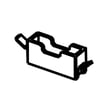
| Microwave loses power when door moves | Possible door switch or wiring issue | Inspect the latch area and consider testing the switch W10211972 |
Why it matters
A plug-in connection makes service safer and simpler because power can be disconnected immediately. A hard-wired setup can complicate troubleshooting and increases the chance of wiring problems if the installation was modified.
Helpful DIY resource
If you need to confirm the model number before ordering electrical parts, use how to find your appliance model number (and what it means for parts).
Last updated: January 2026
What is the average cost of a built-in microwave?
A built-in microwave typically costs about $275 to $2,800, with many homeowners landing in the mid-range depending on size, wattage, trim/installation style, and features. For the Ikea IBMS1450YS0 built-in microwave, the best way to budget is to match the replacement type and cutout requirements.
What drives the price up or down
- Type and fit: true built-in units and built-in kits cost more than countertop models
- Size and capacity: larger cavity and wider trim options usually increase cost
- Power (watts): higher wattage models often cost more and cook faster
- Features: sensor cooking, convection, and smart features raise price
- Installation needs: cabinet modifications and electrical work can add significant labor cost
Typical price ranges (quick guide)
| Microwave type | Typical unit price range | Notes |
|---|---|---|
| Countertop microwave | $100 to $300 | Lowest cost, not a built-in replacement |
| Built-in microwave | $275 to $2,800 | Wide range based on fit and features |
| Installation labor (if needed) | $150 to $600+ | Varies by cabinet work and electrical |
When repair makes more sense than replacement
If your IBMS1450YS0 still heats well and the issue is a common wear item, replacing a part can be the better value than replacing the whole microwave.
Common examples include:
- Door not latching or unit not starting: switch W10211972
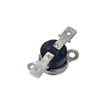
- Dead microwave (no display, no response): fuse (black) WP4375321
- Turntable not rotating: microwave turntable motor W10911403
Why it matters
Built-in microwaves are priced around fit and installation. Choosing the wrong size or style can turn a simple replacement into a cabinet rework, which quickly increases total cost.
Last updated: January 2026
How long do built-in microwaves last?
Most built-in microwaves, including the Ikea IBMS1450YS0, last 7 to 8 years with normal use. Lifespan depends most on door use, ventilation, and keeping the cavity and vents clean so heat does not build up around key electrical parts.
Typical lifespan and what affects it
Built-in microwaves often fail from heat stress, door-interlock wear, or power-supply issues.
- Heavy daily use (multiple cook cycles per day) shortens lifespan
- Slamming or forcing the door wears the latch and interlock system
- Grease buildup restricts airflow and traps heat
- Power surges can damage the inverter or control electronics
- Running the microwave empty can overheat internal components
Quick care checklist to help it reach the full 7 to 8 years
- Wipe the cavity and door seals weekly; remove grease and steam residue
- Keep the vent area clear; do not block airflow around the built-in trim
- Use microwave-safe covers to reduce splatter and moisture
- Close the door gently so the interlock system stays aligned
- If the unit goes dead or blows power, check the fuse and door switches first
Common “end-of-life” symptoms and likely areas
| Symptom | What it often points to | Example part for this model |
|---|---|---|
| Unit completely dead | Blown fuse or loose power connection | Fuse (black) WP4375321 |
| Runs but does not heat | Power supply or inverter issue | Inverter W10217711 |
| Starts then stops when door moves | Door interlock switch problem | Switch W10211972 |
| Turntable not rotating | Turntable motor issue | Microwave turntable motor W10911403 |
Why it matters
A built-in microwave that is overheating, intermittently shutting off, or not heating consistently can stress other components and shorten overall service life. Catching early symptoms helps you decide whether a repair (like a fuse or door switch) makes sense before a larger failure.
Last updated: January 2026
Can a built-in microwave be replaced?
Yes. A built-in microwave like the Ikea IBMS1450YS0 can be replaced, but the new unit must match the cabinet cutout and mounting style (built-in trim kit vs true built-in). You also need the correct electrical connection (plug-in outlet vs hardwired) before installation.
What to check before you buy a replacement
- Cutout size and clearances: Measure the opening width, height, and depth, plus ventilation space.
- Mounting method: Some units use a trim kit; others bolt to a frame or rails.
- Power supply: Confirm whether your current microwave is plug-in or hardwired.
- Circuit rating: Most built-in microwaves use a dedicated 120V circuit; verify breaker size and wiring.
- Door swing and control location: Make sure the door clears adjacent cabinets and the controls are accessible.
When you may need a pro
A cabinet maker or installer is often needed when the new microwave does not match the existing opening. An electrician is needed if you are converting from hardwired to a receptacle, or if the circuit needs updating.
| Situation | Typical need | Why it matters |
|---|---|---|
| New microwave is smaller than the opening | Cabinet trim or filler panels | Prevents gaps and supports the unit safely |
| New microwave is larger than the opening | Cabinet modification | Avoids binding, overheating, and poor fit |
| Existing unit is hardwired | Electrician to add an outlet | Ensures safe, code-compliant power connection |
| Door does not close or latch correctly after install | Latch alignment or door parts | Prevents no-heat and safety interlock issues |
If you are replacing due to a door or latch problem
If the microwave still fits your kitchen and the issue is the door not closing, not starting, or stopping when the door moves, the problem is often in the door interlock system. For the IBMS1450YS0, a common service part is the switch W10211972 (microwave door interlock switch).
Quick symptoms that point to an interlock issue
- Microwave will not start even though the display works
- Unit runs only when you lift or push on the door
- Blows a fuse when the door is opened or closed
Why it matters
Built-in microwaves rely on correct fit, airflow, and door interlock operation. A mismatch in cutout or power connection can turn a simple swap into a cabinet and electrical project, while a minor door-switch failure can look like a “dead microwave.”
Last updated: January 2026


