How to identify a Kenmore washer model?
Your Kenmore washer model number is printed on the appliance ID label; for Kenmore units it often starts with 110 (like 11016502694). On most washers, we find it under the lid (top-load) or around the door opening (front-load), and sometimes on the back panel.
Where to look on the washer
Check these common model-number label locations:
- Top-load washers: under the lid, along the rim of the tub opening
- Front-load washers: inside the door opening, on the door frame area
- All styles: back panel near the power cord, or behind/under the control console
- Sometimes: inside the cabinet on a side wall (visible when the lid is open)
What the model number looks like (Kenmore)
Kenmore model numbers are usually 10 to 12 digits (or more) and may include a prefix.
| What you see on the label | What it means | Example |
|---|---|---|
| Starts with 110 | Common Kenmore washer prefix | 11016502694 |
| Digits only | Typical Kenmore format | 110xxxxxxxxx |
| Letters + numbers | Less common on Kenmore washers | Varies |
Why it matters
We use the exact model number to match the correct parts, diagrams, and repair instructions. Even one digit off can point to a different design, which affects fit for items like a drain pump, motor coupling, or gear case.
Quick next steps after you find it
- Write the model number exactly as shown (include all digits)
- Take a clear photo of the label for reference
- Use the model number to confirm parts before ordering
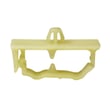
- If you are troubleshooting, start with the most common wear items for this design, such as the coupling 285753A or the washer drain pump WP3363394
Last updated: February 2026
Is it worth repairing a Kenmore washing machine?
Yes, repairing a Kenmore washer is usually worth it when the fix restores reliable wash and spin performance for less than the cost of replacing the machine. For Kenmore model 11016502694, common wear items like the motor coupling, drain pump, and clutch are often straightforward repairs that can extend service life.
Quick way to decide (repair vs. replace)
Use these practical checkpoints before spending money:
- Repair it if the washer still fills, drains, and the tub is solid (no severe rust-through or major structural damage).
- Repair it if the problem matches a common, contained failure (no-spin, no-agitate, won’t drain).
- Repair it if the repair is a single-part fix such as a coupling 285753A or washer drain pump WP3363394.
- Consider replacing if multiple major systems are failing at once (drive system plus leaks plus electrical issues).
- Consider replacing if the gear case is noisy or leaking and you also have other expensive symptoms.
Common repairs that are often “worth it” on this style of Kenmore top-load washer
These are frequent causes of poor agitation, weak spin, or draining problems:
| Symptom | Likely area | Example part for this model |
|---|---|---|
| Won’t agitate or spin, motor runs | Drive connection | Motor coupling |
| Won’t drain or drains slowly | Drain system | Drain pump |
| Spins poorly, burning smell, loud during spin | Spin drive | Clutch |
| Loud grinding, oil leak underneath | Transmission/drive | Gear case |
Why it matters
A targeted repair keeps a proven, serviceable washer running and avoids the cost and hassle of replacement. On model 11016502694, many failures are mechanical and localized, so replacing the right part often restores normal operation quickly.
Our recommended next step
Before ordering parts, match the decision to the symptom:
- No drain: check for a clog at the pump and hoses; then consider the pump.
- No spin/no agitate: inspect the coupling and clutch area.
- Loud gear noise or oil: evaluate whether a gear case repair fits your budget.
Last updated: February 2026
What is the average lifespan of a Kenmore washer?
A Kenmore washer typically lasts 10 to 15 years with normal household use. For Kenmore model 11016502694, consistent maintenance and avoiding chronic overloads are what most often determine whether you land closer to 10 years or closer to 15.
What affects washer lifespan the most
- Load size and balance: frequent overloading or off-balance loads accelerate wear on the drive system and suspension.
- Drain performance: slow draining makes the pump work harder and can shorten pump life.
- Water quality: hard water and sediment can stress valves and internal seals.
- Spin habits: repeated high-speed spins with heavy items increase strain on the clutch and gear case.
- Leaks: even small leaks can lead to corrosion and bearing or seal damage.
Quick maintenance habits that extend life
- Keep loads evenly distributed; wash bulky items in smaller batches.
- Use the right amount of detergent to reduce residue buildup.
- Check the drain path for restrictions; a struggling pump is a common failure point.
- Watch for early warning signs: burning smell, grinding, oil spots under the washer, or repeated no-spin events.
- Address small leaks promptly; replacing a gasket early is cheaper than repairing secondary damage.
Common wear items and what they usually indicate
| Symptom | Most likely area | What it can lead to if ignored |
|---|---|---|
| Won’t spin or agitates poorly | Drive coupling or clutch | Motor strain, repeated cycle failures |
| Loud grinding or oil leak | Gear case | Progressive drivetrain damage |
| Won’t drain or drains slowly | Drain pump or drain hose | Standing water, odor, cycle stoppage |
| Excessive shaking | Suspension springs | Tub contact, out-of-balance shutdowns |
If you are troubleshooting a no-spin or agitation issue on this model, the coupling 285753A is a common wear part in the drive system and is often inspected early in diagnosis.
Why it matters
Knowing the typical 10 to 15 year lifespan helps you decide whether a repair is a smart investment. If your 11016502694 is near the upper end of that range and showing multiple drivetrain or leak symptoms, planning for replacement can be more cost-effective than stacking major repairs.
Last updated: February 2026