 Owner’s manual




Are cheap washing machines any good?
Yes, cheap washing machines can be a good choice for basic laundry needs, but they typically trade long-term durability, quieter operation, and convenience features for a lower price. For a high-efficiency top-load washer like GE model PTW600BPR0DG, good results come from correct loading, cycle selection, and using the right amount of detergent (see the owner's manual).
What you usually give up with a cheaper washer
Budget washers often clean well, but they commonly have fewer features and may need repairs sooner.
- Fewer cycle and fabric-care options (less flexibility for bulky, delicates, or heavily soiled loads)
- More vibration and noise, especially with bulky items or unbalanced loads
- Less robust components (controls, lid lock, drive system) compared with higher-tier models
- Higher chance of service calls over time (drain, fill, spin, or shifting issues)
- Less convenience (smarter dispensing, advanced sensors, specialty cycles)
What matters most for performance on PTW600BPR0DG
This GE washer uses automatic load sensing and is designed to use less water than older top-loaders. Lower water levels are normal and do not mean it is underfilling.
| What you notice | What it means | What to do |
|---|---|---|
| Water level looks low | Normal for high-efficiency design | Avoid adding extra water; use the correct cycle and detergent amount |
| Brief spin at the start | Normal load-sensing behavior | Let it run; do not interrupt unless needed |
| Vibration with bulky/waterproof items | Cycle choice and load type matter | Use Bulky (or Delicates) for waterproof/water-resistant items |
How to make a budget washer last longer
Good habits reduce wear on the drive belt, shifter, clutch, and suspension.
- Load items around the outside of the basket; do not lay large items across the infusor area
- Do not mix waterproof and non-waterproof items in the same load
- Measure detergent carefully; too many suds can cause problems
- If fill is slow, clean inlet hose screens and the washer inlet screens
- Keep the drain path clear; a clog can strain the pump and cause no-drain symptoms
Why it matters
Most “cheap washer” complaints come from installation, loading, and cycle-selection issues, not cleaning ability. Using the correct cycle for bulky or waterproof items helps prevent excessive vibration and out-of-balance conditions.
Last updated: February 2026
Is GE PTW600BPR0DG considered high end?
Yes. The GE PTW600BPR0DG is generally considered a higher-end GE top-load washer because it sits in GE’s more feature-rich platform (PTW600 series) with advanced cycle options and app-connected features referenced in the documentation.
What “high end” means for this washer
We define “high end” in practical terms: more convenience features, more cycle control, and more electronics compared with basic top-load models.
Common high-end indicators you’ll see on PTW600-series washers include:
- More adjustable settings for temperature, soil, and spin
- Specialized cycles and cleaning routines (including monthly basket cleaning guidance)
- App-based features (SmartHQ is referenced for PTW600/PTW605 basket cleaning)
- More electronic components (user interface and control board) that support advanced operation
For cycle and feature details specific to your washer, use the owner's manual.
Feature snapshot (typical for PTW600-series)
| Area | What you get | Why it feels “high end” |
|---|---|---|
| Cycle customization | Adjustable Temp, Soil, Spin | More control over cleaning and drying time |
| Maintenance features | Monthly cleaning guidance | Helps keep performance consistent |
| Electronics | Control board and user interface | Enables more modes, sensing, and diagnostics |
Why it matters
A higher-end washer like the PTW600BPR0DG typically delivers better flexibility for different fabrics and soil levels, but it also relies more on components such as the control board, lid lock, and drain system. When issues come up, accurate troubleshooting and correct parts matching by model number are especially important.
Parts that commonly relate to “premium feature” operation
If you’re troubleshooting performance (not draining, not starting, not spinning), these model-matched parts are often involved:
- GE washer drain pump assembly WH23X28418 (drain and empty-out performance)
- Washer lid lock assembly WH08X37859 (cycle start and safety interlock)
- GE washer electronic control board WH22X33178 (cycle logic and operation)
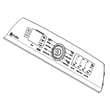
- Washer user interface WH22X35537 (buttons, display, selections)
Last updated: February 2026
How long should a GE PTW600BPR0DG washing machine last?
A GE PTW600BPR0DG top-load washer typically lasts 10 to 14 years with normal household use. You can often extend service life by keeping loads balanced, running monthly cleaning cycles, and replacing wear items (like hoses and belts) before they cause bigger failures; see the owner's manual.
Typical lifespan and what affects it
Most washers in this class reach the 10 to 14 year range; heavy daily use, hard water, and frequent overloading shorten life.
- Load size and balance: repeated off-balance loads strain the drive system and suspension.
- Water quality: hard water and sediment increase valve and pump wear.
- Maintenance habits: monthly cleaning reduces detergent buildup and odors.
- Ventilation and dryness: leaving the lid open between loads helps prevent mildew.
- Early repair of small issues: a minor leak or slow drain can turn into control or motor damage.
Maintenance schedule we recommend for PTW600BPR0DG
The manual calls out a few habits that directly protect the machine.
| Task | How often | Why it matters |
|---|---|---|
| Replace fill hoses | Every 5 years | Reduces risk of leaks and water damage |
| Run a cleaning cycle (Bulky + 1 cup bleach) | Monthly | Helps prevent buildup and odors |
| Check for slow draining and clear obstructions | As needed | Prevents pump strain and standing water |
Parts that commonly impact “how long it lasts”
If performance changes (won’t drain, won’t spin, loud noises), these are common wear or failure points on this model.
- Drain problems: GE washer drain pump assembly WH23X28418 and washer pump drain hose WH41X24177
- Spin/agitation issues: washer drive belt WH01X24180 and washer shifter assembly WH03X30517
- Won’t start or lid errors: washer lid lock assembly WH08X37859
Why it matters
A washer near the end of its expected lifespan often shows warning signs (slow drain, repeated off-balance, intermittent starting). Addressing those early usually costs less than running the machine until a major component fails.
Last updated: February 2026


