


What are the commonly replaced parts in a dishwasher?
On the KitchenAid KDFE304RPS0 dishwasher, the most commonly replaced parts are the water-fill parts, door sealing and latching parts, spray components, and drain components. These items see the most wear from heat, detergent, hard-water buildup, and normal opening and closing of the door.
Most common dishwasher parts that get replaced
- Water inlet and fill components (no fill, slow fill, overfill)
- Door latch and door seals (won’t start, leaks at the door)
- Spray arms and spray manifolds (poor cleaning, debris in jets)
- Drain hose and clamps (not draining, leaks under the unit)
- Racks and rack hardware (rust, broken wheels, bent tines)
- Electronic controls and wiring (dead unit, intermittent operation)
Model-relevant examples for KDFE304RPS0
These are examples of parts we often see replaced on this model when symptoms match:
| Symptom | Likely part area | Example part for KDFE304RPS0 |
|---|---|---|
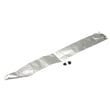
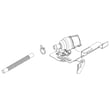
| Dishwasher won’t fill or fills slowly | Water inlet/fill | Fill valve assembly W11434044 or water inlet W11535094 |
| Leaks at the bottom of the door | Door sealing | Seal, door bottom W11664713 |
| Leaks around the tub opening | Tub seal | Gasket-tub,d W11483553 |
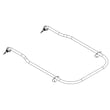
| Poor wash coverage on lower rack | Spray system | Dishwasher spray arm, lower W11550888 or dishwasher manifold and spray arm assembly W11545334 |
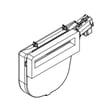
| Won’t start or stops when door moves | Door latch/switch | Latch assembly (includes switch) W11412299 |
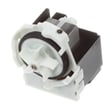
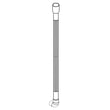
| Not draining or leaking at drain connection | Drain path | Hose-drain,e W11414944 and dishwasher hose clamp WP285655 |
Why it matters
Replacing the right part first saves time and prevents repeat failures. For example, a “not filling” complaint can be a supply issue, but when the supply is good, the inlet and fill valve area is the most common repair path.
Quick checks before ordering parts
- Confirm the water supply valve under the sink is fully open and the inlet line is not kinked.
- Clean visible debris from spray arm holes; hard-water scale can block jets.
- Inspect the door seal surfaces for food buildup that can cause leaks.
- Check the drain hose routing for kinks and make sure the connection is tight.
- If the unit has error codes, use KitchenAid he dishwasher error codes to narrow the failure.
Last updated: February 2026
What is the lifespan of a KitchenAid dishwasher?
A KitchenAid dishwasher like model KDFE304RPS0 typically lasts 10 to 14 years with normal household use. Consistent cleaning, correct loading, and fixing small leaks or fill issues early help you reach the high end of that range.
What affects lifespan most
- Water quality: hard water speeds up mineral buildup on spray arms and in the sump.
- Cleaning and maintenance: a dirty filter area and buildup reduce wash performance and strain the motor.
- Leaks and door sealing: even small drips can damage components over time.
- Proper filling and draining: low fill or poor draining makes cycles run harder and longer.
- Loading habits: blocked spray arms and overcrowding reduce cleaning and increase wear.
Quick maintenance routine (best ROI)
- Run a cleaning cycle and wipe the door edges; follow the steps in how to clean and maintain your dishwasher.
- Check that the lower spray arm spins freely and holes are clear.
- Keep the tub lip and door sealing surfaces clean and smooth.
- Use the right detergent amount for your water hardness.
Parts that commonly impact longevity
If you notice leaking, not filling, or poor cleaning, addressing the likely wear part early can extend the life of your KDFE304RPS0.
| Symptom | Common area to check | Example part for this model |
|---|---|---|
| Not filling or fills slowly | Water supply and inlet valve | Fill valve assembly W11434044 |
| Water at the bottom of the door | Door sealing surface | Seal, door bottom W11664713 |
| Poor cleaning on lower rack | Spray pattern and manifold | Dishwasher manifold and spray arm assembly W11545334 |
Why it matters
Most dishwasher “failures” start as performance problems (slow fill, weak spray, small leaks). Fixing those early reduces strain on the sump and motor, helps cycles finish normally, and keeps the machine running closer to its full expected lifespan.
Last updated: February 2026
What is the most common problem with a KitchenAid dishwasher?
For the KitchenAid KDFE304RPS0 dishwasher, the most common problem we see is poor cleaning (dishes come out dirty) caused by restricted water flow or wash action, typically from clogged spray paths, a dirty filter area, or a weak wash system. If cleaning is inconsistent, start by checking the spray arm and sump area.
Quick checks that fix most “not cleaning” complaints
- Confirm the lower spray arm spins freely and holes are not blocked.
- Remove debris from the sump area (glass, labels, food bits).
- Run hot water at the sink until it is hot before starting the cycle.
- Use fresh detergent and avoid overfilling the dispenser.
- Load so tall items do not block the spray arms.
If the spray arm is damaged or the feed path is restricted, replacing the wash distribution parts often restores performance; see the dishwasher manifold and spray arm assembly W11545334.
Other common KitchenAid dishwasher issues (and what they usually point to)
| Symptom | What it commonly means | Parts to consider for KDFE304RPS0 |
|---|---|---|
| Not filling or fills slowly | Water supply restriction or inlet valve problem | Fill valve assembly W11434044, water inlet W11535094 |
| Won’t start | Door not latching, control not sensing closed door | Latch assembly (includes switch) W11412299 |
| Not draining | Drain path restriction or drain hose issue | Hose-drain,e W11414944 |
| Leaking at the door | Door seal worn, misaligned, or dirty | Seal, door bottom W11664713, gasket-tub,d W11483553 |
Why it matters
A dishwasher that is not cleaning usually is not “just detergent”; it is almost always a water movement issue. Restoring proper fill, spray, and drainage helps prevent redepositing soil, odors, and repeat cycle failures.
When an error code shows up
If your KDFE304RPS0 displays an error code, use the code to narrow the failure to the wash system, fill system, drain system, or controls; see KitchenAid microclean he dishwasher error codes.
Last updated: February 2026