Error Codes



What is the most common problem with a Maytag washer?
For the Maytag MVWC565FW3 washer, the most common customer-reported problems are won’t drain or won’t spin, which leaves clothes wet at the end of the cycle. These issues are often caused by a drain restriction, a failing drain pump, or a lid lock problem that prevents high-speed spin.
Quick checks we recommend first
- Make sure the load is balanced; a severely unbalanced load can stop or limit spin.
- Confirm the lid fully closes and latches; the washer may not spin if it can’t sense a locked lid.
- Check the drain hose for kinks or a crushed section; verify the standpipe is not clogged.
- Look for small items (coins, socks) that can block draining.
- Run a Drain/Spin cycle after redistributing the load.
Parts that commonly solve drain or spin complaints
If basic checks don’t help, these model-compatible parts are common fixes for MVWC565FW3 symptoms:
Symptom-to-part guide (typical)
| What you notice | Common cause | Part to inspect first |
|---|---|---|
| Hums but won’t drain | Pump jammed or failing | Drain pump |
| Won’t spin, lid won’t lock | Lid lock not engaging | Lid lock |
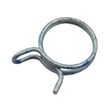
| Drains slowly or backs up | Kinked/blocked drain path | Drain hose |
| Loud banging during spin | Suspension out of control | Suspension rods |
Why it matters
Drain and spin problems are the issues most likely to leave laundry unfinished (wet, soapy, or still dirty). Catching them early can prevent repeated overloads on the drive system and reduce the chance of leaks around hoses and clamps.
Helpful troubleshooting content
For broader Maytag top-load troubleshooting patterns (including common symptoms and what to check next), use how to troubleshoot Maytag centennial washer problems.
Last updated: January 2026
What is the average lifespan of a Maytag washing machine?
A Maytag washing machine typically lasts 10 to 13 years. For your Maytag MVWC565FW3 washer, real-world lifespan is usually driven by load size, detergent use, installation (leveling), and how quickly you address wear items like the drive system and suspension.
What affects lifespan most on MVWC565FW3
We see these factors make the biggest difference in how long a top-load washer runs reliably:
- Overloading (stresses the drive belt, pulley, and gearcase)
- Out-of-balance loads (wears suspension and can damage the tub support)
- Hard water and excess detergent (causes buildup, odors, and poor rinsing)
- Ignoring early symptoms (grinding, squealing, slow drain, lid not locking)
- Not leveling the cabinet (increases vibration and component fatigue)
Maintenance habits that help you reach the high end of the range
A few simple routines can add years of service life:
- Run periodic cleaning cycles and wipe the lid and tub ring area dry
- Use HE detergent and measure it; more soap is not better
- Wash bulky items in smaller loads to reduce imbalance
- Check hoses for bulges or seepage and replace as needed
- Keep the washer stable by adjusting the leveling legs
Parts that commonly determine “repair vs replace” timing
If performance changes, these are common wear points on this platform:
| Symptom | Often related to | Example compatible part for MVWC565FW3 |
|---|---|---|
| Squeal, burning rubber smell, weak spin | Belt or pulley wear | Belt, drive W11611297 |
| Excessive shaking or banging | Suspension wear | Damper asm-v W11130362 |
| Won’t start or won’t spin with lid closed | Lid lock issue | Washer lid lock W11307244 |
Why it matters
Knowing the typical 10 to 13 year lifespan helps you plan maintenance and make smarter repair decisions. A small fix (like a belt or lid lock) can be a cost-effective way to keep your MVWC565FW3 running for years.
For troubleshooting patterns that can prevent repeat failures, we also recommend how to troubleshoot Maytag centennial washer problems.
Last updated: January 2026
Is Maytag MVWC565FW high efficiency?
Yes. The Maytag MVWC565FW3 is a high-efficiency (HE) top-load washer; it uses low water levels by default and relies on load sensing and wash action to clean effectively. For best results, use HE detergent and choose cycle options that match the load.
What “high efficiency” means on MVWC565FW3
High-efficiency top-load washers are designed to reduce water and energy use while still cleaning well.
- Uses automatic load sensing to determine water level
- Typically fills to a lower level than older, non-HE top-loaders
- Works best with HE detergent (less suds)
- May have longer cycle times than traditional washers
- Can use options like Deep Water Wash (when equipped) to add more water for certain loads
Quick HE detergent guidance
Using the right detergent prevents oversudsing, poor rinsing, and drain issues.
| What you use | What can happen | What we recommend |
|---|---|---|
| HE detergent | Normal wash and rinse performance | Use HE; measure carefully |
| Non-HE detergent | Too many suds, longer drain time, residue | Switch to HE |
| Too much detergent (even HE) | Film on clothes, odors, poor spin | Reduce amount |
If your washer seems to “not use enough water”
That is usually normal behavior for an HE washer. If cleaning is poor, try these steps first:
- Sort by fabric weight; do not mix heavy towels with light items
- Load loosely; do not pack items down
- Select a higher soil level (if available)
- Use warm water when safe for fabrics
- Run periodic cleaning and maintenance routines (helps prevent odor and residue)
Why it matters
Knowing MVWC565FW3 is HE helps you choose the right detergent and loading habits; that prevents oversudsing, improves rinsing, and reduces wear on components like the drain system.
Related help: how to clean and maintain your washing machine
Last updated: January 2026