Installation guide
 Owner’s manual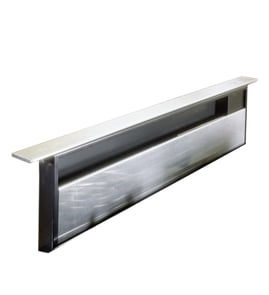
Is a downdraft range worth it?
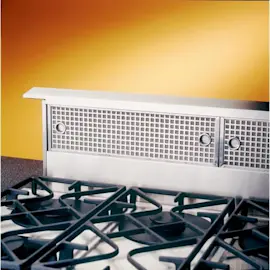
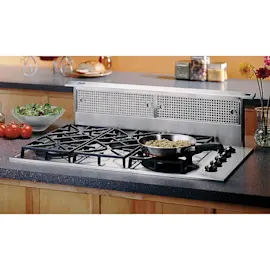
Yes, a downdraft setup can be worth it when you need ventilation on an island or want clear sightlines, but it typically captures smoke and grease less effectively than an overhead hood. With the Dacor PRV36 raised vent, performance depends heavily on keeping filters clean and installing the ductwork correctly per the installation guide.
When a downdraft is the right choice
A downdraft (raised vent) is a strong fit when your kitchen layout makes a hood impractical.
- You have a cooktop on an island and do not want a ceiling hood
- You prioritize a clean, open look over maximum capture
- You do mostly light to moderate cooking (simmering, sauteing)
- You can keep the vent intake and filters clean and unobstructed
- Your cabinet and duct layout can meet the required clearances and duct planning
When you may be happier with a hood
Downdrafts pull air downward, so they can struggle more with fast-rising heat, steam, and grease.
- High-heat searing, wok cooking, or frequent frying
- Heavy smoke or grease loads
- Tall pots that let steam rise past the intake
- Long or restrictive duct runs that increase noise and reduce airflow
What matters most for PRV36 performance
The PRV36 installation instructions emphasize that blocked filters or vent openings reduce performance, and duct layout choices affect noise and airflow.
| Factor | What to aim for | Why it matters |
|---|---|---|
| Filters and intake | Keep clean and unblocked | Better airflow and lower fire risk from grease buildup |
| Duct routing | Short, smooth, properly sized | Less resistance, better capture, less noise |
| Clearances and fit | No interference when lowering | Prevents damage to the vent and cooktop/range |
| Power and operation check | Verify raise/lower and speed control | Confirms the system is working as designed |
Why it matters
Ventilation is about capture, not just airflow. A downdraft can look great and solve layout problems, but it only performs well when the intake is clear, the filters are maintained, and the ductwork is planned to minimize restriction.
Last updated: February 2026
How much does downdraft ventilation cost?
A Dacor PRV36 downdraft ventilation system’s total cost depends on the vent, the required approved blower (remote or in-line), and the ductwork and installation labor. For many homes, a realistic budget is roughly $900 to $2,000+ for the unit and core components, plus any ducting and install materials.
What drives the total cost
Downdraft systems are more installation-dependent than many overhead hoods, so the final price is usually driven by the duct run and blower choice.
- Blower requirement: PRV-series raised vents must be paired with an approved Dacor remote or in-line blower (only one blower is used).
- Ductwork complexity: Longer runs, multiple elbows, and transitions increase labor and can reduce performance.
- Materials: Metal ductwork, sheet metal screws, and proper sealing tape are typically purchased separately.
- Cabinet and countertop work: Cutouts, clearances, and possible cooktop positioning adjustments can add labor.
- Electrical: A dedicated outlet and safe routing for wiring can add time and cost.
Typical cost ranges (what to expect)
These ranges help you plan; your final cost depends on your kitchen layout and whether new ducting is needed.
| Cost item | Typical range | Notes |
|---|---|---|
| Downdraft vent system | $900 to $2,000+ | Varies by size, finish, and configuration |
| Blower (approved type) | Mid to high | Remote and in-line blowers vary by CFM and install needs |
| Ductwork materials | Low to moderate | Metal duct, screws, sealing tape, damper (if needed) |
| Installation labor | Moderate to high | Increases with long duct runs and cabinet modifications |
Features that affect value
A common, practical feature on downdraft ventilation is removable grease filter(s), which helps with routine cleaning and airflow.
Why it matters
If the blower and ductwork are not planned correctly, the vent can underperform. The installation guidance for PRV-series raised vents emphasizes using metal ductwork, keeping the duct run short and direct, and avoiding duct sizing reductions to help prevent backdrafts and airflow loss.
Where to confirm requirements for PRV36
Use the installation guide to confirm approved blower options, duct sizing guidance, and duct run planning rules before you buy parts or schedule installation.
Last updated: February 2026
Do downdraft vents need to be vented outside?
Yes. For the Dacor PRV36 downdraft raised vent, we install it as a ducted system vented to the outdoors for proper exhausting and best performance. The installation instructions also warn not to vent exhaust air into enclosed spaces like walls, ceilings, attics, crawl spaces, or garages; follow the installation guide.
What “vented outside” means for PRV36
A ducted PRV36 setup routes air through metal ductwork to an exterior termination (wall cap or roof cap), depending on your layout.
Key points from typical PRV36 installations:
- Ducted fans are vented to the outdoors.
- Do not discharge air into interior cavities (walls, ceilings) or enclosed areas.
- Use only metal ductwork.
- Plan the duct run length and turns to stay within allowable limits.
- The exhaust can be configured to exit through the back, bottom, or a side (layout dependent).
Ducted vs. ductless (recirculating): quick comparison
Some downdraft systems can be configured to recirculate with special kits and filters, but the PRV36 installation guidance emphasizes ducting outdoors.
| Option | Where air goes | Odor/smoke removal | Typical use case |
|---|---|---|---|
| Ducted (recommended) | Outside | Strongest | Most kitchens with an exterior route |
| Ductless/recirculating | Back into kitchen through filters | Limited | Only when outside venting is not possible |
Why it matters
Downdraft ventilation has to overcome rising heat, smoke, and grease. Venting outdoors improves capture and keeps moisture and odors from being redistributed into the kitchen or trapped inside building cavities.
Installation tips that prevent performance problems
- Keep the duct run as short and straight as possible.
- Seal all duct joints securely to prevent leaks.
- Avoid adding extra blowers to “extend” duct length; mismatched airflow can reduce vent draw.
- Make sure there is adequate make-up air, especially if you have fuel-burning appliances.
Last updated: February 2026
What are the pros and cons of downdraft extractors?
Downdraft extractors like the Dacor PRV36 give you ventilation right at the cooktop level with a clean, open-kitchen look, but they typically capture smoke and steam less effectively than an overhead hood and can require careful duct design and installation for strong performance. For model-specific installation and safety requirements, use the installation guide.
Pros of a downdraft ventilation system
- Keeps sightlines open over an island or peninsula cooktop
- Pulls odors and steam down at the source (useful for light to moderate cooking)
- Helps avoid head-bump clearance issues common with some overhead hoods
- Can be a good fit when cabinetry or design limits overhead venting
Cons and common tradeoffs
- Less effective at capturing rising heat, smoke, and grease than many overhead range hoods
- Performance depends heavily on duct layout; too many elbows or long runs reduce airflow
- Installation is more complex; electrical work and venting should be done by qualified installers
- Must be vented outdoors for ducted operation; flexible metal duct is not recommended
What matters most for real-world performance (ducting)
The PRV36 installation guidance emphasizes keeping duct runs short and minimizing turns. Two 45° turns typically perform better than one 90°, and you want straight duct between elbows when possible.
Quick ducting checklist
- Use the shortest, straightest duct route possible
- Reduce transitions and sharp turns
- Prefer round duct when elbows are required
- Avoid back-to-back elbows and “S” turns
- Do not use flexible metal duct
Downdraft vs. overhead hood (at-a-glance)
| Feature | Downdraft (PRV36 style) | Overhead hood |
|---|---|---|
| Visual impact | Low | Medium to high |
| Capture of rising smoke/heat | Moderate | High |
| Sensitivity to duct design | High | Medium |
| Best fit | Islands, open kitchens | Most heavy cooking setups |
Why it matters
Choosing a downdraft is often a design decision first. If you frequently sear, wok-cook, or generate heavy smoke, duct layout and correct installation become the difference between “works fine” and “always smoky.”
Last updated: February 2026