Owner’s manual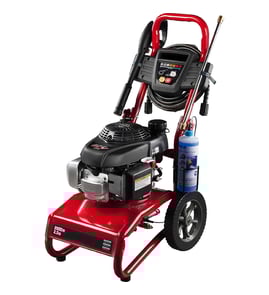



Are gas pressure washers 2 stroke or 4 stroke?
Most gas pressure washers are 4-stroke engines, and the Craftsman 580767201 is set up like a typical 4-stroke: you fill the crankcase through the oil fill cap and add straight gasoline to the fuel tank (no gas/oil mixing). For oil type and capacity guidance, use the 580767201 owner's manual.
How to tell 2-stroke vs 4-stroke (quick checks)
- 4-stroke: separate oil fill cap/dipstick and a gas tank for straight gasoline
- 2-stroke: requires premixed fuel (gasoline mixed with 2-cycle oil) and usually has no separate crankcase oil fill
- 4-stroke maintenance: oil changes are part of routine service
- 2-stroke maintenance: no crankcase oil changes; you manage lubrication through the fuel mix
What to use in this Craftsman 580767201
The manual lists engine oil viscosity by temperature and calls out straight gasoline in the starting checklist.
| Item | What you do on 580767201 | Why it matters |
|---|---|---|
| Fuel | Add proper gasoline to the fuel tank | Prevents hard starting and poor performance |
| Engine oil | Fill through the oil fill cap; choose viscosity by temperature | Protects the engine from wear |
| Water supply | Keep inlet water 100°F max | Helps protect the pump and seals |
Why it matters
Using the wrong fuel type is one of the fastest ways to create starting problems and engine damage. A 4-stroke pressure washer like the 580767201 needs straight gasoline plus the correct engine oil in the crankcase.
Related maintenance tip (pump side)
If you notice water leaking at the pump or pressure fading, worn seals are a common cause. For this model, a common service item is the piston seal 93680GS.
Last updated: February 2026
Does Craftsman have a lifetime warranty on pressure washers?
Craftsman does not provide a lifetime warranty on the Craftsman gas pressure washer model 580767201. For this model, the owner’s manual lists a limited warranty of 1 year from the date of purchase for defects in materials and workmanship when the unit is maintained and operated as instructed; coverage is shorter for commercial or rental use (90 days commercial, 30 days rental). See the 580767201 owner's manual for the exact warranty terms.
What the 580767201 warranty covers (and what it does not)
Covered (within the warranty period)
- Defects in material and workmanship
- Repairs performed through a Sears service center or dealer (per the manual)
- Coverage applies when maintenance and operation follow the manual instructions
Not covered (common exclusions)
- Expendable items that wear out in normal use (for example, spark plugs and air filters)
- Damage from operator abuse or negligence
- Pump damage caused by running the washer with no water supply
- Problems caused by lack of maintenance or improper storage
Warranty length by usage type
| How the pressure washer is used | Warranty period stated in the manual |
|---|---|
| Household / normal consumer use | 1 year from purchase date |
| Commercial use | 90 days from purchase date |
| Rental use | 30 days from purchase date |
Why it matters
Warranty coverage on a gas pressure washer is closely tied to maintenance and correct operation. Following the manual helps prevent avoidable failures (especially pump damage from running dry) and keeps you eligible for warranty service during the coverage period.
Maintenance steps that help protect coverage
- Always confirm water is flowing to the pump before starting the engine
- Use the correct engine oil viscosity for the temperature range
- Replace the air filter and spark plug on the schedule in the manual
- Store the unit properly during the off-season (winterizing and storage steps)
- Keep receipts and note the purchase date for warranty timing
Last updated: February 2026
Is it worth repairing a pressure washer?
Yes, repairing a Craftsman pressure washer model 580767201 is worth it when the problem is a wear item (leaking hose, worn O-ring, clogged inlet screen) or routine maintenance; it is usually not worth it when the pump is badly damaged and the repair cost approaches the price of a replacement unit.
Quick decision checklist
- Repair it if the issue is a leak at a connection, a worn seal, or a damaged hose.
- Repair it if the engine runs well and you only have pressure or spray problems.
- Replace it if the pump is cracked, seized, or has extensive internal wear.
- Replace it if multiple major systems are failing (pump plus engine plus hose/gun).
- Repair it if you can do the work yourself and parts cost stays reasonable.
Common repairs that usually make sense
The owner’s manual calls out several before-each-use checks that often lead to low-cost fixes, not full replacement.
| Symptom | Often caused by | Typical fix |
|---|---|---|
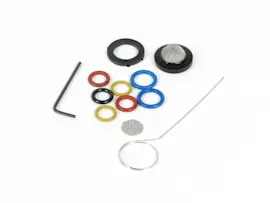
| Water leaking at fittings | Worn O-rings | Replace O-rings (use the kit guidance in the manual) |
| Low pressure or surging | Clogged inlet screen or nozzle debris | Clean inlet screen, back-flush nozzle, purge air |
| Hose leaking or bulging | Worn/kinked high-pressure hose | Replace the hose (do not patch) |
Parts that can tip the math
If you confirm the high-pressure hose is damaged, replacement is the safe move; the manual warns against repairing high-pressure hoses.
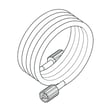
- 30'hose 84006753 (common replacement when the high-pressure hose leaks or is damaged)
- O-ring B2218GS (helpful for connection leaks at the pump, hose, or spray gun fittings)
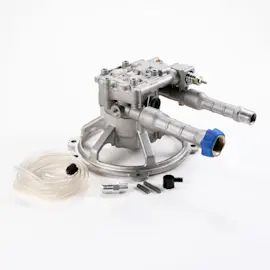
- Pump 193461GS (a major-cost repair; compare total cost to a new pressure washer)
Why it matters
A pressure washer that runs without proper water flow can damage the pump, and a compromised high-pressure hose is a safety risk. Fixing small leaks and flow restrictions early often prevents expensive pump replacement.
What we recommend you check first
Use the 580767201 owner's manual to follow the “before each use” inspection routine:
- Check engine oil level.
- Check the water inlet screen for damage or clogging.
- Check the high-pressure hose for leaks, cuts, bulges, or damaged couplings.
- Check the spray gun/nozzle extension for leaks and proper trigger operation.
- Purge the pump of air and contaminants before use.
Last updated: February 2026
What is the life expectancy of a pressure washer?
A gas pressure washer like Craftsman model 580767201 typically lasts 5 to 7 years with normal homeowner use; with consistent maintenance and proper storage, it commonly reaches 500 to 1,000+ operating hours before major pump or engine wear becomes the deciding factor. See the maintenance schedule in the 580767201 owner's manual.
What most affects lifespan
- Maintenance frequency: oil changes, air filter care, spark plug service
- Water supply habits: never run the pump without water; it can damage seals and pistons
- Storage and winterizing: preventing freeze damage and fuel-system varnish
- Operating conditions: dusty/dirty environments shorten oil and filter life
- Wear parts: hoses, O-rings, and pump seals are normal replacement items
Maintenance intervals that extend life (from the manual)
Our guidance for the 580767201 follows the manual’s schedule:
| Item | When to service | Why it matters |
|---|---|---|
| Engine oil | After first 5 hours, then every 50 hours or yearly | Reduces engine wear and overheating |
| Air filter | Clean/replace as needed (more often in dust) | Prevents power loss and cylinder wear |
| Spark plug | Check yearly; set gap to 0.020 in (0.50 mm) | Helps easy starting and efficient combustion |
| Storage prep | If idle more than 30 days | Prevents fuel-system deposits and corrosion |
Signs your pressure washer is nearing end-of-life
- Pressure surges or won’t build pressure even with a good spray tip
- Water leaking from the pump body or persistent oil seepage
- Engine loses power under load or becomes hard to start repeatedly
- Excessive vibration, knocking, or repeated stalling
- Frequent hose or fitting failures from age and heat cycling
Repair vs. replace: a practical rule
| If you’re seeing… | Usually worth doing | Usually points to replacement |
|---|---|---|
| Minor leaks at connections | Replace an O-ring such as o-ring B2218GS | |
| Worn seals but good engine | Consider pump service or seal work | |
| Cracked pump housing or repeated internal failures | Replace the pump (often the biggest cost driver) |
Why it matters
Pressure washers fail early most often from pump damage (no water, freezing) or neglected engine maintenance. Following the manual’s oil-change schedule and long-term storage steps protects the two most expensive assemblies: the pump and the engine.
Last updated: February 2026
What kind of gas goes in a Craftsman 3000 psi pressure washer?
For the Craftsman pressure washer model 580767201, use clean, fresh unleaded gasoline; we recommend 87 octane (87 AKI) or higher. Fill the fuel tank only after the engine has cooled, and refuel outdoors away from sparks or open flame (see the 580767201 owner's manual).
Fuel type and what to avoid
Use standard pump gas and keep it fresh to help prevent hard starting and surging.
- Use unleaded gasoline, 87 octane (AKI) minimum
- Use fresh fuel (old fuel can cause starting and power issues)
- Avoid spilling fuel on a hot engine; let the unit cool first
- Do not smoke or refuel near flames, pilot lights, or sparks
- Store gasoline only in approved fuel containers
How much gas does it hold?
The 580767201 fuel tank capacity is 1.6 quarts.
| Item | Spec for Craftsman 580767201 |
|---|---|
| Fuel type | Unleaded gasoline |
| Minimum octane | 87 AKI |
| Fuel tank capacity | 1.6 quarts |
Quick refueling checklist
These steps reduce fire risk and help protect the engine.
- Shut the engine off and let it cool
- Move the pressure washer to an open, well-ventilated area
- Clean dirt away from the fuel cap area before opening
- Fill slowly; leave a little room for fuel expansion
- Tighten the cap securely before restarting
Why it matters
Using fresh, correct-octane unleaded fuel helps the engine run smoothly and reduces common problems like hard starting, rough running, and loss of power. For broader troubleshooting tied to fuel and performance, we also recommend pressure washer engine losing power.
Last updated: February 2026
What size hose is a Craftsman 3100 PSI pressure washer?
For the Craftsman 580767201 gas pressure washer, the factory high-pressure hose size is 1/4 inch x 30 feet. If you are shopping by PSI rating (such as 3,100 PSI), match the hose’s pressure rating and end fittings to your spray gun and pump; confirm the exact spec in the 580767201 owner's manual.
What we recommend matching (so the hose fits and performs right)
When replacing a pressure washer hose, we match more than just length:
- Inside diameter (ID): most homeowner units use 1/4 inch
- Length: common lengths are 25 to 30 feet (your model lists 30 feet)
- Max pressure rating: meet or exceed your washer’s PSI rating
- End fittings: match the existing connections (often M22 style or quick-connect)
- Temperature rating: typical pressure washer hoses are designed for cold water use
Model-specific hose reference for Craftsman 580767201
The parts list for model 580767201 calls out a HOSE, 1/4" x 30' (commonly referenced as part number B5689). If your current hose is damaged, kinked, or leaking at the crimp, replacing the complete hose is usually the fastest fix.
| What you’re matching | Craftsman 580767201 typical spec | Notes |
|---|---|---|
| Hose ID | 1/4 inch | Supports normal flow for this class of washer |
| Hose length | 30 ft | Longer hoses reduce reach issues |
| OEM-style replacement | 30'hose 84006753 | Use when you want the listed replacement |
Why it matters
A hose that is too small, under-rated for pressure, or has the wrong fittings can cause leaks, poor spray performance, or premature pump wear. Using the correct 1/4 inch hose size and a proper pressure rating helps your Craftsman pressure washer run safely and consistently.
Last updated: February 2026
What type of oil does a Craftsman 3000 psi pressure washer take?
For the Craftsman 580767201 gas pressure washer, we use SAE 30 engine oil when temperatures are above 40°F, and SAE 5W-30 or 10W-30 when temperatures are 0°F to 40°F. Add oil before starting the engine to prevent engine damage (see the 580767201 owner's manual).
Oil type by temperature
Use this quick chart to pick the right viscosity for your conditions:
| Outdoor temperature | Recommended oil | When to use it |
|---|---|---|
| Above 40°F | SAE 30 | Warm-weather operation |
| 0°F to 40°F | SAE 5W-30 or 10W-30 | Cold-weather starting and running |
How to add oil correctly (quick checklist)
Before you pull the starter rope, we recommend:
- Place the pressure washer on a level surface.
- Add the correct oil type for the temperature.
- Check the oil level on the dipstick (do not overfill).
- Wipe up any spilled oil before starting.
- Start the engine only after oil is in the crankcase.
Maintenance interval (why oil choice matters)
Oil viscosity affects starting, lubrication, and engine wear. Using the correct oil helps the engine maintain proper lubrication as temperatures change.
Typical oil-change schedule for this model:
- Change oil after the first 5 operating hours.
- Then change oil every 50 hours or once per year, whichever comes first.
- Change oil more often in dusty or dirty conditions.
Related specs to keep in mind
These model specs help you match oil and fuel practices to how the unit runs:
- Gasoline capacity: 1.6 quarts
- Water supply temperature limit: 100°F max
Why it matters
Running the engine with the wrong oil viscosity (or with no oil) increases wear and can cause hard starting, overheating, and premature engine failure. Following the oil chart and service intervals keeps your Craftsman pressure washer reliable.
Last updated: February 2026
Where can I get Craftsman replacement parts?
For Craftsman pressure washer model 580767201, we recommend buying replacement parts from Sears PartsDirect because you can match parts directly to your exact model and diagrams, which helps ensure proper fit for items like the pump, hose, wand, and seals. See the 580767201 owner's manual for the official parts list and ordering details.
Best places to buy Craftsman replacement parts
- Sears PartsDirect: model-based lookup for the correct fit and illustrated parts breakdowns
- Craftsman retailers: common accessories and maintenance items (varies by store)
- Online marketplaces: useful for hard-to-find items, but confirm model compatibility before ordering
- Local small-engine/pressure washer shops: helpful for cross-referencing engine-related service parts
How to make sure you order the right part
Use your full model number (580767201) and confirm the part by name and diagram location.
- Match the model number first (580767201)
- Confirm the part name (hose, pump, O-ring, piston seal, wand)
- Verify the part ID/part number before checkout
- For pump leaks or low pressure, confirm seal and O-ring sizes from the manual parts list
- If your symptom points to a pump issue, compare repair cost versus replacing the complete pump
Common parts customers replace on this model
| What you’re fixing | Part to check first | Example from this model |
|---|---|---|
| Leaks at pump fittings | O-ring | O-ring B2218GS |
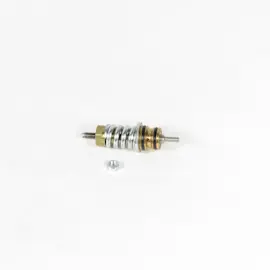
| Low pressure, pulsation | Piston seal | Piston seal 93680GS |
| No pressure or severe pump damage | Complete pump | Pump 193461GS |
| Cracked or worn high-pressure line | Pressure hose | 30'hose 84006753 |
Why it matters
Pressure washer parts are not “one size fits all”. Using the exact model number and the correct pump parts list prevents mismatched fittings, leaks, and performance problems, especially on a 2,250 PSI class Craftsman unit.
Last updated: February 2026