Owner’s manual

What is the life expectancy of a Hoover vacuum?
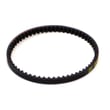
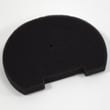
Most Hoover upright vacuums, including the Hoover UH70086, typically last 5 to 8 years with normal household use; with consistent maintenance, many corded uprights reach the upper end of that range. The biggest life-shorteners are clogs, worn belts or brush rolls, and neglected filters; all of these are preventable with routine care.
Typical lifespan and what affects it
A vacuum’s service life depends more on upkeep and operating conditions than the brand name alone.
- Usage frequency: daily whole-home use wears belts, brush roll bearings, and motors faster
- Floor type: heavy carpet loads the brush roll and drive system more than hard floors
- Maintenance: clean filters and clear clogs to reduce motor heat and strain
- Debris type: hair, string, and fine dust accelerate brush roll and airflow wear
- Storage and handling: cord strain and impacts can damage switches and wiring
Maintenance schedule that extends life
Use this as a practical baseline; follow the UH70086 owner's manual for the exact cleaning intervals and filter locations.
| Task | How often | Why it matters |
|---|---|---|
| Empty bin or replace bag (if equipped) | Every use or when 1/2 to 2/3 full | Prevents suction loss and overheating |
| Clean or replace filters | Monthly (typical) | Protects the suction motor and airflow |
| Check for clogs (hose, wand, inlet) | Monthly or when suction drops | Restores airflow and reduces heat |
| Remove hair from brush roll | As needed | Keeps brush roll spinning and protects the belt |
Signs it is near end-of-life (or needs a repair)
These symptoms often point to a fixable issue first (belt, brush roll, filters, or a clog).
- Suction stays weak after filters are cleaned and clogs are cleared
- Brush roll stops or intermittently spins
- Burning smell, unusual grinding, or high-pitched squeal
- Vacuum shuts off during use (often overheating from restricted airflow)
- Power issues (won’t turn on, cuts out when you move the cord)
Why it matters
A well-maintained UH70086 cleans better and runs cooler, which protects the suction motor and reduces the chance of repeated belt failures. If performance drops, start with airflow (filters and clogs), then move to the brush roll and belt system.
For step-by-step troubleshooting paths, use our vacuum symptoms landing page.
Last updated: February 2026
What is the number one rated upright vacuum cleaner?
There is not one single “number one” upright vacuum across every test; ratings change by year and by what you clean. For most homes, the top-rated uprights are usually the ones that match your flooring mix, pet-hair needs, and filtration goals. Use the UH70086 owner's manual to compare features you already have on your Hoover UH70086.
What typically ranks #1 (by use case)
Different labs score differently, but these categories stay consistent:
- Best overall cleaning power: strong suction plus a well-designed brush roll
- Best for pet hair: aggressive brush roll, good edge cleaning, and a tangle-resistant design
- Best for allergies: sealed airflow path and HEPA-level filtration
- Best for mixed floors: easy brush roll shutoff or height adjustment for hard floors and carpet
- Best value: reliable belt and brush roll system with easy maintenance
How to choose the “best” upright for your home
Focus on measurable features instead of a single ranking:
| What you have at home | Feature that matters most | What to look for |
|---|---|---|
| Mostly carpet | Brush roll agitation | Stiff bristles, consistent belt drive |
| Hard floors + rugs | Brush roll control | On/off control or gentle mode |
| Pets | Hair pickup | Tangle control, strong airflow at the nozzle |
| Allergies | Filtration | HEPA media, tight seals, clean filter access |
Quick checks to compare your current Hoover UH70086 to “top-rated” models
Before replacing your vacuum, we recommend checking these common performance limiters:
- Clean or replace filters on schedule
- Clear clogs in the hose, wand, and nozzle airway
- Inspect the brush roll for wrapped hair and worn bristles
- Check the drive belt for stretching, glazing, or cracking
- Verify the height setting (if equipped) matches your carpet
For step-by-step repair and maintenance help, use our vacuum repair-guides landing page.
Why it matters
“#1 rated” usually reflects a specific test setup. The right upright vacuum is the one that keeps suction strong at the floor, maintains brush roll speed, and fits your cleaning routine with minimal downtime.
Last updated: February 2026
Which is the most powerful upright vacuum cleaner?
There is no single “most powerful” upright vacuum for every home; the best choice depends on sealed suction, airflow, brush roll design, and how well the vacuum maintains suction as the filter and bin fill. For Hoover UH70086 owners, our owner's manual helps you keep your upright vacuum performing at its highest level.
What “most powerful” really means
When people compare upright vacuum cleaners, they are usually mixing several performance factors:
- Sealed suction (how strongly it pulls at the hose and nozzle)
- Airflow (how much air moves through the system)
- Agitation (brush roll effectiveness on carpet and pet hair)
- Filtration and clogs (how quickly performance drops as filters load)
- Nozzle seal and height setting (how well the floor head seals to the surface)
How to pick the best upright for your floors
Use this quick checklist to match “power” to your cleaning needs:
- Mostly carpet: prioritize a strong brush roll and correct height adjustment
- Mostly hard floors: prioritize good nozzle sealing and easy brush roll shutoff (if equipped)
- Pets: prioritize brush roll design plus easy-to-clean hair removal features
- Allergies: prioritize high-efficiency filtration and tight seals
- Large homes: prioritize cord length, bin capacity, and easy maintenance
Quick comparison: what to look for
| What you care about | Spec or feature to compare | Why it matters |
|---|---|---|
| Deep carpet cleaning | Brush roll + height adjustment | Agitation lifts embedded grit and hair |
| Strong hose pickup | Sealed suction at the hose | Improves above-floor cleaning |
| Consistent performance | Filter access and clog resistance | Keeps suction from dropping mid-clean |
| Pet hair | Brush roll design + easy cleaning | Reduces wrap and improves pickup |
Keep your Hoover UH70086 performing like a “power” vacuum
Even a high-suction upright will feel weak if maintenance is overdue. We recommend:
- Emptying the dirt cup before it reaches the max line
- Cleaning or replacing filters on schedule
- Checking the hose and air path for clogs
- Clearing hair and string from the brush roll
- Replacing worn belts and damaged brush rolls when agitation drops
For step-by-step repair help, use our vacuum repair-guides landing page.
Why it matters
“Power” is only useful if it reaches the floor. A clean filter, clear airflow path, and a properly working brush roll often make a bigger real-world difference than chasing the highest advertised suction number.
Last updated: February 2026
What are common Hoover vacuum problems?
Common problems with the Hoover UH70086 upright vacuum include weak or no suction, the brush roll not spinning, the vacuum shutting off from overheating, unusual noise or burning smell, and power issues. Most of these start with airflow blockages, dirty filters, or a worn belt; our owner's manual covers the correct cleaning and inspection points.
Most common symptoms and what usually causes them
- Loss of suction: clogged hose, dirty filter, full bin, or a leak at a seal
- Brush roll not spinning: hair wrap on the beater bar, worn or broken belt, jammed end caps
- Shuts off during use: overheating from a clog, dirty filters, or restricted airflow
- Won’t turn on: bad outlet, damaged cord, failed switch, or motor thermal protector tripping
- Loud rattling or grinding: debris in the nozzle, damaged brush roll, or loose internal parts
Quick checks we recommend (in order)
- Unplug the vacuum and clear the nozzle opening and hose path.
- Empty the dirt container and clean or replace filters as directed.
- Inspect the brush roll for string and hair; cut it away carefully.
- Check belt condition and tension; replace if stretched, cracked, or slipping.
- If it shuts off, let it cool 30 to 60 minutes, then recheck for restrictions.
Symptom-to-fix guide
| Symptom | What to check first | Typical fix |
|---|---|---|
| Weak suction | Filters, hose clogs | Clean filters; clear blockage |
| Brush roll not spinning | Hair wrap, belt | Clean brush roll; replace belt |
| Shuts off | Overheating from restriction | Clear clog; clean filters; cool down |
| Won’t turn on | Power source, cord | Try a known-good outlet; inspect cord |
Why it matters
A vacuum depends on steady airflow to cool the motor and create suction. When filters load up or a hose clogs, performance drops fast and the motor can overheat, which leads to shutdowns and premature wear.
Helpful DIY resources
- Use our vacuum symptoms landing page to match your exact symptom to step-by-step troubleshooting.
- If the brush roll is the issue, follow vacuum brush roll on spinning for the most common causes and fixes.
Last updated: February 2026