 Installation guide
 Owner’s manual
 Error Codes




Is it worth repairing a GE dishwasher?
Yes, repairing a GE dishwasher is usually worth it when the problem is a single failed part (drain, fill, heating, latch, or spray system) and the tub is in good shape. For model GDT645SYN3FS, we recommend using the troubleshooting steps in the GDT645SYN3FS owner's manual to confirm the failure before buying parts.
Quick decision checklist
- The dishwasher fills, washes, and drains sometimes (intermittent issues are often a part, not the tub).
- The door closes and latches firmly; no obvious cabinet alignment issues.
- No major rust-through or structural damage to the stainless tub.
- The issue matches a common repair: not draining, not filling, not heating, not starting, poor cleaning.
- You can safely shut off power and water and access the toe-kick area.
Common repairs that are typically worth doing
These are frequent, straightforward fixes on many GE dishwashers, including GDT645SYN3FS:
| Symptom | Likely area | Example part for this model |
|---|---|---|
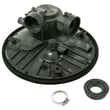
| Won’t drain | Drain path or pump | Dishwasher drain pump WD19X25461 |
| Won’t fill or fills slowly | Water supply or valve | Dishwasher water inlet valve WD15X26078 |
| Won’t start or stops mid-cycle | Door latch or power feed | GE dishwasher door latch lock WD21X10490 |
| Poor cleaning | Spray circulation | Dishwasher spray arm, lower WD22X33499 |
| Not drying well | Heating circuit | Element heat WD05X35098 |
When replacement makes more sense
- The tub is leaking, badly dented, or the door/tub sealing surfaces are damaged.
- Multiple major systems have failed at once (wash pump plus control plus leaks).
- You have repeated leak detection cancellations after fixing obvious causes.
Why it matters
A targeted repair restores wash performance and prevents repeat issues like standing water, detergent not dissolving, and cycle cancellations. The manual also notes that proper installation and grounding are important for safe operation and reliable performance, so verifying basics can prevent misdiagnosis.
For model-specific troubleshooting steps and safety guidance, use the installation guide.
Last updated: February 2026
What are the commonly replaced parts in a dishwasher?
In a GE dishwasher like model GDT645SYN3FS, the most commonly replaced parts are the ones tied to water movement, draining, heating, and door closing. When cleaning performance drops, the unit will not drain, or it will not start, these parts are the first places we check.
Commonly replaced dishwasher parts (and what they do)
- Spray arms: Spin and distribute wash water; clogs and worn bearings reduce cleaning.
- Drain pump and drain hose: Push wastewater out; failures cause standing water.
- Water inlet valve: Lets water into the tub; problems cause no-fill or under-fill.
- Heating element: Heats water and supports drying; issues can lead to poor drying.
- Door latch components: Confirm the door is closed; a bad latch can prevent starting.
- Seals and gaskets: Keep water in the tub; wear can lead to leaks.
Model GDT645SYN3FS parts we see replaced often
These are examples of high-wear or high-symptom parts available for this model:
| Symptom | Part to check first | Example part for this model |
|---|---|---|
| Not cleaning well | Spray arm(s) | Dishwasher spray arm, lower WD22X33499 |
| Not draining | Drain pump, drain hose | Dishwasher drain pump WD19X25461 |
| Not filling | Water inlet valve | Dishwasher water inlet valve WD15X26078 |
| Not drying / water not heating | Heating element | Element heat WD05X35098 |
| Will not start (door won’t latch) | Door latch lock | GE dishwasher door latch lock WD21X10490 |
Quick checks before you buy a part
- Turn off power to the dishwasher before any inspection or maintenance.
- Clean the filters and check spray arm holes for debris.
- Confirm the sink drain and disposer inlet are clear (drain issues can look like pump failure).
- Make sure the door closes firmly and the latch engages.
- If the dishwasher has power but will not run, check for control lock or a tripped breaker.
Why it matters
Replacing the right part the first time saves time and prevents repeat problems. For example, a “not draining” complaint can be a kinked drain hose, a clogged filter, or a failing drain pump; matching the symptom to the most likely component speeds up the fix.
For model-specific safety steps and service guidance, follow the GDT645SYN3FS owner’s manual.
Last updated: February 2026
What is the average lifespan of a GE dishwasher?
A GE dishwasher typically lasts about 10 years with normal household use and basic maintenance. For your GE GDT645SYN3FS, keeping filters and spray arms clean and fixing small leaks early helps you reach (and often exceed) that average; see the GDT645SYN3FS owner's manual for care steps.
Typical lifespan and what affects it
Most dishwashers fail early due to water, heat, or drainage stress. These factors have the biggest impact:
- Hard water buildup (mineral scale on the heating and wash system)
- Poor draining (standing water strains the drain pump)
- Overloading or blocking spray arms (reduces cleaning, increases run time)
- Frequent heavy cycles and heated dry (more heat wear)
- Leaks at the door or tub seal (water damage to components)
What “end of life” usually looks like
These are common symptoms that show up as a dishwasher nears the end of its service life:
- Not draining consistently
- Not cleaning well even after cleaning the interior
- Not drying well or leaving heavy film
- Intermittent stopping, beeping, or error codes
- Water leaks at the door or underneath
Maintenance that extends life (high impact)
We recommend these routine habits for the GDT645SYN3FS:
- Clean the interior periodically using a dishwasher cleaner or citric acid (per the manual)
- Check that the lower spray arm spins freely and holes are not clogged
- Keep the door seal area clean and wipe the bottom edge of the door
- Run hot water at the sink before starting a cycle to improve wash performance
- Confirm the drain hose routing is not kinked and the sink/disposer connection is clear
Quick decision guide: repair vs. replace
| Situation | Usually makes sense to | Why |
|---|---|---|
| Minor leak, poor wash, or fill/drain issue | Repair | Often a single part or blockage |
| Multiple symptoms plus frequent stoppages | Replace | Costs can stack up quickly |
| Unit is around 10 years old and needs a major pump/control | Compare options | Major repairs can approach replacement value |
Why it matters
Knowing the average lifespan helps you plan: if your GDT645SYN3FS is under 10 years old, targeted repairs and maintenance usually pay off; if it is past that mark, comparing repair cost to replacement is often the smarter path.
Last updated: February 2026
What is the most common problem with GE dishwashers?
The most common GE dishwasher problem we see is poor wash performance caused by everyday issues like the wrong detergent, blocked spray arms, or a dirty filter and sump area. On the GE GDT645SYN3FS, these same basics are the first things to check before replacing parts.
Quick checks that fix most complaints
- Use only automatic dishwasher detergent (never hand dish soap); the wrong detergent causes suds and weak cleaning.
- Make sure tall items are not blocking the detergent dispenser door.
- Confirm the lower spray arm spins freely and its holes are not clogged.
- Clean the filter area regularly; debris here reduces water flow and cleaning power.
- If you have hard water, use rinse aid and periodic cleaner to prevent film and spotting.
Common symptoms and the most likely causes
| Symptom | Most likely cause | What to do first |
|---|---|---|
| Dishes come out dirty | Clogged spray arm or filter, loading blocks water | Clean spray arms, clean filter, reload properly |
| Suds in the tub | Wrong detergent or rinse aid spill | Switch detergent; cancel/drain per manual |
| Detergent left in cup | Dishes blocking dispenser or poor water flow | Reposition dishes; check spray arm rotation |
| White film or cloudy glassware | Hard water minerals | Use rinse aid; run cleaner/citric acid cycle |
When a part is the likely fix
If cleaning and loading changes do not help, a failed wash or water-delivery component is a common next step.
- If water pressure and wash action seem weak, inspect the dishwasher spray arm, lower WD22X33499 for cracks, stripped hub, or clogged jets.
- If the dishwasher is not filling correctly, the dishwasher water inlet valve WD15X26078 is a common suspect after you confirm the supply valve is fully open.
- If the unit drains poorly or leaves water behind, the dishwasher drain pump WD19X25461 and drain path are key checks.
Why it matters
Most “GE dishwasher problems” are really water flow and chemistry problems. Correct detergent, proper loading, and clean spray paths restore wash pressure, prevent suds, and reduce hard-water film so the GDT645SYN3FS can clean and dry as designed.
For model-specific operating steps and troubleshooting, follow the GDT645SYN3FS owner’s manual.
Last updated: February 2026
Can I replace dishwasher parts myself?
Yes, you can replace many parts on your GE GDT645SYN3FS dishwasher yourself if you’re comfortable with basic mechanical, electrical, and plumbing tasks. For safety, always shut off power at the breaker and turn off the water supply before starting; use the GDT645SYN3FS installation guide and GDT645SYN3FS owner’s manual to match the correct procedure.
What you can usually DIY (and what to leave to a pro)
Many common repairs are straightforward, especially when the dishwasher is easy to pull out for service.
Good DIY candidates
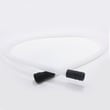
- Cleaning or replacing a clogged drain hose (example: dishwasher drain hose WD24X10062)
- Replacing a leaking inlet valve (example: dishwasher water inlet valve WD15X26078)
- Replacing a worn door latch (example: GE dishwasher door latch lock WD21X10490)
- Replacing a drain pump when the unit won’t drain (example: dishwasher drain pump WD19X25461)
- Replacing a spray arm if it’s cracked or not spinning (example: dishwasher spray arm, lower WD22X33499)
Usually better for a technician
- Hard-wiring changes, grounding issues, or repeated breaker trips
- Control board diagnosis and wiring harness repairs
- Leak detection faults where the source is not obvious
Quick safety checklist before you start
- Turn off the circuit breaker (or remove the house fuse)
- Shut off the water supply valve under the sink
- Protect the floor; pull the dishwasher out carefully to avoid cord and hose damage
- Take photos of wire and hose routing before disconnecting anything
- Confirm the dishwasher can be removed for future service (important for reinstallation)
Common symptoms and likely parts
| Symptom | Common DIY checks | Parts that often relate |
|---|---|---|
| Won’t start | Check breaker, wall switch, control lock | Door latch, wiring harness/fuse |
| Not draining | Check filter, hose routing, disposer plug | Drain hose, drain pump |
| Poor cleaning | Check loading, spray arm clogs | Lower spray arm, middle spray arm |
Why it matters
DIY replacement can restore cleaning and draining performance quickly, but dishwashers combine water and electricity. Following the documented steps and disconnecting power first helps prevent shocks, leaks, and repeat failures.
Last updated: February 2026





