
How to turn a shop vac from dry to wet?
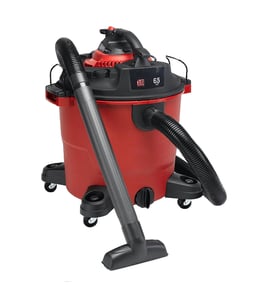
To switch a Craftsman 113177101 16-gallon wet/dry vacuum from dry pickup to wet pickup, we set it up for liquid collection by using the correct filter configuration (typically removing the dry filter) and confirming the float/cage is in place so the motor is protected from water.
- Unplug the shop vac.
- Empty the drum and remove any dry debris bag (if used).
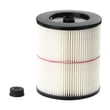
- Remove the dry filter (cartridge or bag-style filter) so it does not get waterlogged.
- Confirm the float and float cage are installed and move freely; this is what helps shut off suction when the tank fills.
- Reinstall the lid securely and make sure the hose is fully seated.
- Plug in and test suction briefly before starting the wet cleanup.
| Setup item | Dry pickup | Wet pickup |
|---|---|---|
| Filter | Installed (keeps dust out of motor) | Typically removed (prevents clogging/water damage) |
| Collection | Debris, sawdust, drywall dust | Water and other non-flammable liquids |
| Tank | Can be partially full | Start empty; monitor fill level closely |
Wet pickup requires a different airflow path than dry pickup. Leaving a dry filter installed can restrict suction, create a mess, and shorten filter life. Making sure the float system works helps prevent water from reaching the motor.
- Never vacuum flammable liquids.
- Stop and empty the tank when suction changes or liquid reaches the full level.
- If the vac shuts off suction during wet pickup, turn it off and empty the drum before continuing.
- If you need to troubleshoot power or wiring issues, use our guide: how to use a multimeter to test electrical parts video.
Last updated: February 2026
What should you not vacuum with a wet dry vac?
For a Craftsman 113177101 16-gallon wet/dry vacuum, do not pick up anything that can ignite, damage the tank or hose, or clog the filter and motor. The biggest no-go items are hot embers/ash, flammable liquids, and very fine dust without the correct filter setup.
- Hot or burning material: fireplace ash, charcoal, cigarettes, welding slag, hot sawdust
- Flammable or explosive liquids: gasoline, solvents, paint thinner, kerosene
- Reactive or corrosive chemicals: strong acids/alkalis, bleach mixtures, drain cleaners
- Very fine powders (without a fine-dust filter and proper collection): drywall dust, concrete dust, flour, cold fireplace ash
- Sharp debris that can puncture or cut: large glass shards, nails, screws, metal shavings
- Hazardous dust: asbestos-containing materials, lead paint dust, silica-heavy dust from masonry
| Material | Safe to vacuum? | Notes |
|---|---|---|
| Water spills | Usually yes | Use wet pickup setup; empty tank after use. |
| Cold, damp debris | Usually yes | Avoid overfilling; keep airflow clear. |
| Drywall or concrete dust | Not without the right filter | Fine dust can pass through and damage the motor. |
| Gasoline or solvent | No | Fire and explosion risk. |
| Hot ash/embers | No | Can melt components and ignite debris in the tank. |
Wet/dry vacuums like the Craftsman 113177101 rely on airflow through the hose, filter, and motor. Hot material can ignite debris inside the canister, fine dust can clog filters and overheat the motor, and flammable liquids can create dangerous vapors.
- Let ash and debris cool completely before cleanup.
- Use the correct filter for the job; fine dust needs fine filtration.
- Pick up sharp objects by hand first when possible.
- Empty the tank before it gets heavy or airflow drops.
- If suction suddenly falls, stop and clear the hose and filter.
For general DIY safety practices before troubleshooting or repairs, see are diy appliance repairs safe.
Last updated: February 2026
Where to find model number on CRAFTSMAN Wet Dry Vac?
On a Craftsman wet/dry vacuum like model 113177101, the model number is on the product identification label (often called the model and serial tag) attached to the vacuum itself, not on the hose or attachments. Check the tank and the motor head first.
We typically find the model and serial tag in one of these spots:
- On the outside of the tank (front, side, or back)
- On the motor head (power unit) near the handle or latches
- Near the on/off switch area
- Near the cord wrap or cord entry point
- On the lower tank area near the wheel or caster base
Use the full model number exactly as printed, including any extra digits or letters that appear with it.
| Label item | What we use it for |
|---|---|
| Model number | Matches the correct parts diagrams and part list |
| Serial number | Identifies the production run when versions changed |
| Electrical rating (volts/amps) | Confirms you are reading the correct identification label |
These steps help you recover the information you need for parts lookup:
- Check for a second label on the motor head if the tank label is gone
- Look for a faint imprint or adhesive outline where a sticker used to be
- If the motor head was replaced, check that replacement unit for its own tag
- Use our general guide: how to find your appliance model number (and what it means for parts)
The exact model number keeps you from ordering the wrong filter, hose, switch, latch, or motor components; many Craftsman wet/dry vacuums share similar tank sizes but use different hardware.
Last updated: February 2026