Owner’s manual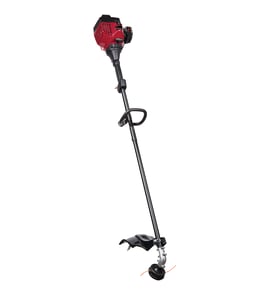


What is the fuel mix for a Craftsman gas trimmer?
For the Craftsman 316711930 gas line trimmer, use a 40:1 gasoline-to-2-cycle oil mix (40 parts fresh unleaded gas to 1 part 2-cycle engine oil). This ratio helps the engine lubricate properly and prevents hard starting, overheating, and premature wear; see the 316711930 owner's manual.
How to mix 40:1 correctly
- Use a clean, approved fuel container (not the trimmer’s tank) for mixing.
- Measure the gasoline first, then add the correct amount of 2-cycle oil.
- Cap the container and shake to blend before filling the trimmer.
- Mix only what you will use within about 30 days for best starting and performance.
- Use fresh unleaded gasoline and quality 2-cycle oil labeled for air-cooled engines.
Quick 40:1 mix chart
| Gasoline amount | 2-cycle oil needed (40:1) |
|---|---|
| 1 gallon | 3.2 fl oz |
| 1/2 gallon | 1.6 fl oz |
| 1 quart | 0.8 fl oz |
If the trimmer runs poorly after mixing
A correct mix ratio is only one part of good running. If your 316711930 still won’t start, bogs, or loses power, check these common items:
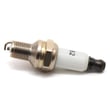
- Spark plug condition and gap; replace if fouled (see spark plug 753-05784).
- Air filter cleanliness (restricted airflow causes rich running).
- Fuel freshness (old fuel can varnish and clog passages).
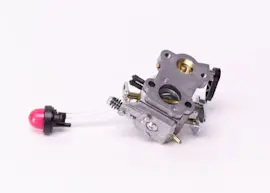
- Primer bulb and fuel lines for cracks or leaks.
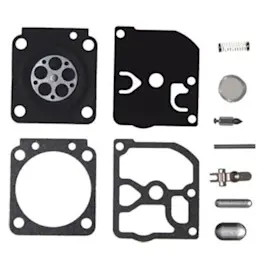
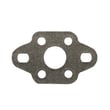
- Carburetor gaskets for air leaks (examples include 791-181709 and 753-06948 on this model).
Why the 40:1 ratio matters
Two-cycle engines rely on oil mixed into the fuel for lubrication. Too little oil increases wear and heat; too much oil can foul the spark plug, smoke excessively, and reduce power.
Last updated: February 2026
How to remove string trimmer head craftsman?
To remove the cutting head on your Craftsman 316711930 gas line trimmer, lock the shaft so it cannot turn, then unthread the head from the gearbox (most heads loosen by turning clockwise because they use left-hand threads). Use the steps in the 316711930 owner's manual for the exact locking point and thread direction.
Quick steps (most Craftsman gas trimmers)
- Shut the engine off and let the muffler and gearbox cool completely.
- Remove the spark plug boot so the trimmer cannot accidentally start.
- Rotate the cutting head until the locking hole/notch in the head base lines up with the hole/notch in the gearbox housing.
- Insert the locking tool or a sturdy pin/Allen key to hold the shaft.
- With the shaft locked, spin the head off (commonly clockwise to loosen on left-hand threads).
- If it is stuck, tap the head lightly while keeping the shaft locked; avoid prying on the debris shield.
Which direction do I turn it?
Many Craftsman trimmer heads use a left-hand (reverse) thread so the head stays tight while cutting.
| What you do | Typical result |
|---|---|
| Turn clockwise | Loosens a left-hand threaded head (common) |
| Turn counterclockwise | Loosens a standard threaded head |
If the head tightens as you turn, reverse direction and try again with the shaft locked.
If the head will not come off
- Clean wrapped grass and string from the head base and gearbox area.
- Re-seat the locking pin fully; partial engagement lets the shaft slip.
- Use gloves for grip; avoid pipe wrenches that can crack the head.
- If the head is damaged or the threads are stripped, replacement is the reliable fix; match your trimmer to the correct line trimmer cutting head 753-05045.
Why it matters
Removing the head the right way prevents stripped threads on the gearbox, reduces vibration, and keeps the cutting line feeding correctly after reassembly.
Last updated: February 2026
What's the difference between a whipper, snipper, and a line trimmer?
A whipper snipper and a line trimmer are the same tool; the name changes by region. For your Craftsman 316711930 gas line trimmer, the function is identical: a spinning nylon line trims grass and weeds along edges and tight areas.
Quick definitions (what people mean)
- Line trimmer: Common U.S. term for a string trimmer that uses nylon line.
- Whipper snipper: Common Australian/New Zealand term for a line trimmer.
- Snipper: Informal shorthand for whipper snipper or line trimmer.
- String trimmer / weed trimmer: Other common names for the same tool.
- Brush cutter (often confused with the above): Heavier-duty tool designed for thicker weeds and brush, often using a blade.
Why it matters when buying parts
The name on the box is less important than matching the model number (316711930) and the exact part you need. For example, a no-start issue is often maintenance-related, and the correct replacement spark plug matters.
Here are common parts people replace on this model:
- Owner's manual
- Spark plug 794-00082
- Carburetor with primer 753-06258
- Line trimmer cutting head 753-05045
Line trimmer vs brush cutter (simple comparison)
| Feature | Line trimmer (string trimmer) | Brush cutter |
|---|---|---|
| Cutting method | Nylon line | Line or metal blade |
| Best for | Grass, edging, light weeds | Thick weeds, brush, saplings |
| Typical feel | Lighter, faster trimming | Heavier, more torque |
Helpful tip for identifying what you have
- If it uses nylon line in a trimmer head, it is a line trimmer (whipper snipper).
- If it uses a metal blade, it is being used as a brush cutter setup.
Last updated: February 2026
How to replace trimmer line on Craftsman 316711930?
On the Craftsman 316711930 gas line trimmer, you replace the trimmer line by opening the cutting head, removing the old line, then loading new line in the correct routing and winding direction for the head used on this model. Follow the diagrams in the 316711930 owner's manual to match your exact head style.
Step-by-step: replace the line
- Shut the engine off, let the head stop completely, and disconnect the spark plug boot for safety.
- Clean grass and dirt from the cutting head so the tabs and cap release easily.
- Remove the head cap (either press the locking tabs or unscrew the cap, depending on the head).
- Lift out the spool; keep track of any spring under the spool.
- Remove old line and inspect the eyelets (line exit holes) for damage or heavy wear.
- Load new line using the method shown for your head:
- Spool-wind head: anchor the line in the spool slot/hole, then wind evenly in the direction of the arrow.
- Pre-cut insert head (if equipped): insert the specified lengths into the head’s loading ports.
- Thread line ends through the eyelets, reinstall the spring (if used), then reinstall the cap until it locks.
Choosing the right line for this model
Use the line type and diameter specified for the 316711930 cutting head. Many Craftsman trimmers in this series use spiral or “quiet” style line for smoother cutting and less noise; the 316711930 owner's manual lists the exact line spec for your head.
| What you are replacing | What must match | Where to confirm |
|---|---|---|
| Trimmer line | Diameter and style (round, spiral, etc.) | Manual specs and head diagram |
| Spool routing | Winding direction and channel layout | Arrow and diagram on spool/head |
If it will not feed after restringing
- Line wound the wrong direction; rewind to match the spool arrow.
- Spool overfilled; remove some line so the spool turns freely.
- Line crossed or loose wraps; rewind tight and even.
- Eyelets worn or clogged; clean and replace worn head parts if needed.
Why it matters
Correct line type and correct winding prevent jams, improve cut quality, and reduce vibration that can wear the cutting head and drive components.
Last updated: February 2026
Why is my Craftsman 316711930 not starting?
If your Craftsman 316711930 gas line trimmer will not start, the most common causes are old fuel, incorrect starting procedure, a fouled spark plug, or a fuel-delivery problem. This model uses a 4-cycle engine, so use fresh gasoline and the correct engine oil level (no fuel-oil mixing).
Quick checks first (5 minutes)
- Move the stop switch to RUN/ON.
- Follow the cold-start steps for this model in the owner's manual.
- Drain stale fuel and refill with fresh gasoline.
- Check engine oil level; low oil can prevent starting on many 4-cycle trimmers.
- Remove and inspect the plug; if it is wet, carbon-fouled, or the electrode is worn, replace it.
Parts that commonly fix a no-start
When fuel is fresh and the starting steps are correct, these parts are common no-start culprits on the 316711930:
| What you notice | Likely cause | What to do |
|---|---|---|
| No sputter at all | Weak spark | Replace the spark plug 794-00082 and re-test for spark |
| Starts, then dies | Fuel restriction or carb issue | Inspect fuel cap venting; consider carb service or replacement |
| Hard starting, surging | Air leak at carb | Replace carb gaskets and tighten mounting screws |
Model-matched parts from this page:
- Spark plug 794-00082 (part number 753-05784)
- Carburetor gasket 753-06948
- Carburetor gasket 791-181709
Why it matters
A 4-cycle trimmer needs the right basics: fresh gasoline, correct oil level, strong ignition, and a sealed intake path. A fouled plug or an air leak at the carburetor gasket can keep the engine from firing even if the primer and choke are used.
Safety and “stop here” signs
- If the starter rope is extremely hard to pull, stop and inspect for mechanical binding.
- If fuel leaks from the tank or carburetor area, stop and repair before restarting.
- If you smell heavy fuel and the plug is soaked, let it dry, then retry with less priming.
Last updated: February 2026