Owner’s manual



Should I use 87 or 91 for snowblower?
For the Noma G2794010 gas snowblower, 87 octane (regular) unleaded gasoline is the right choice in most cases; higher octane like 91 typically does not improve performance unless the engine specifically calls for it. We also recommend fuel with no more than 10% ethanol (E10).
What we recommend for fuel
- Use fresh, clean unleaded gasoline
- Choose 87 octane unless your manual specifies otherwise
- Prefer ethanol-free fuel when available; otherwise E10 max
- Buy only what you will use in 30 days (or treat it with stabilizer)
- Store fuel in an approved container, tightly sealed
87 vs 91: what changes (and what does not)
| Fuel choice | When it makes sense | What you should expect |
|---|---|---|
| 87 octane (regular) | Normal operation for most snowblower engines | Reliable starting and normal power |
| 91 octane (premium) | Only if the engine requires it, or if it is the only ethanol-free option you can get | Usually no added power; higher cost |
Why ethanol content matters more than octane
Small-engine fuel systems can be sensitive to ethanol because it can attract moisture during storage and contribute to gumming or varnish in the carburetor. If your snowblower sits between storms, fuel freshness and ethanol level usually matter more than choosing 91 over 87.
Where to confirm the exact requirement for your model
Fuel requirements can vary by engine family even within the same snowblower model line. We recommend checking the fuel section in the G2794010 owner’s manual.
If you already used 91
That is typically fine. If the fuel is fresh and E10 or less, just keep using the machine normally and avoid storing untreated fuel in the tank for long periods.
Last updated: January 2026
What happens if you don't drain gas from a snowblower?
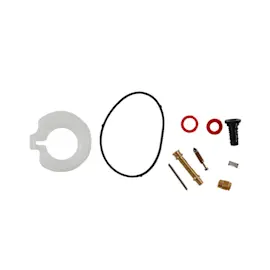
If you do not drain (or properly stabilize) fuel in your Noma G2794010 gas snowblower before storage, the gasoline can break down and form varnish that clogs the carburetor and fuel passages. That often leads to hard starting, rough running, or a no-start condition next season.
What typically goes wrong when fuel sits
When fuel sits for weeks or months, especially ethanol-blended gas, it can cause several common problems:
- Gum and varnish buildup in the carburetor jets and bowl
- Moisture absorption that can contribute to corrosion in the fuel system
- Sticking float/needle valve that can cause flooding or fuel starvation
- Deteriorated fuel lines or primer bulb (if equipped)
- Spark plug fouling from repeated failed start attempts
For model-specific storage steps and control locations, follow the G2794010 owner’s manual.
Symptoms you may notice next season
Here is what we commonly see after stale fuel:
| Symptom | Most likely cause | What usually fixes it |
|---|---|---|
| Starts then dies | Partially clogged carburetor | Clean carburetor, fresh fuel |
| Will not start | Main jet clogged, stuck needle | Carburetor service |
| Surging at idle | Restricted fuel flow | Clean passages, replace fuel |
| Fuel smell or wet air box | Flooding from stuck float | Carburetor service |
Best practice for storage (drain vs stabilize)
We recommend one of these approaches for the G2794010, depending on how long it will sit:
- Storage under 30 days: Top off with fresh fuel and use stabilizer
- Storage 30 to 90 days: Stabilize fuel and run the engine long enough to pull treated fuel into the carburetor
- Seasonal storage (90+ days): Drain the tank and run the engine until it stops to reduce fuel left in the carburetor
Why it matters
Fuel-related no-start problems are one of the most common reasons a gas snowblower ends up needing service. Proper storage helps protect the carburetor, reduces corrosion risk, and improves cold-weather reliability.
Last updated: January 2026
What is the typical lifespan of a gas snowblower?
A gas snowblower like the Noma G2794010 typically lasts 10 to 15 years with normal seasonal use and routine maintenance. With consistent off-season storage and timely wear-part replacement, it’s common for many gas snowblowers to reach 15 to 20 years of service.
What most affects lifespan
The machine’s age is usually driven more by maintenance and operating conditions than by calendar years. We recommend using the maintenance intervals and specs in your G2794010 owner’s manual.
- Regular oil changes and correct oil level
- Fresh fuel practices (stabilizer, draining for storage)
- Keeping the auger housing and chute clear of packed snow and debris
- Avoiding impacts with curbs, gravel, and hidden objects
- Replacing wear items before they damage other components
Wear parts that commonly shorten service life
On the G2794010, the drive system and traction components are frequent wear points. If the unit still runs well but won’t move or won’t throw snow strongly, these parts are often involved:
- Snowblower drive belt 1733324SM (ground drive belt; affects forward/reverse movement)
- Snowblower gas belt 585416MA (auger drive belt; affects snow throwing)
- Frction disc 1501435MA (friction wheel assembly; affects traction and speed control)
Quick “repair vs. replace” guide
| If you see this | Typical meaning | Often worth doing |
|---|---|---|
| Engine runs, but unit won’t drive | Drive belt or friction wheel wear | Belt/friction wheel service |
| Weak snow throwing | Auger belt slipping or adjustment issue | Belt inspection/adjustment |
| Frequent breakdowns across multiple systems | Age plus heavy use or poor storage | Evaluate overall condition |
Why it matters
Knowing the typical lifespan helps you plan maintenance and budget for the parts that keep performance strong. Replacing a belt or friction wheel on time can prevent secondary damage and extend the useful life of your Noma gas snowblower.
Last updated: January 2026
What are common gas snow blower problems?
Common problems on the Noma G2794010 gas snowblower include hard starting (often from stale fuel or a dirty carburetor), poor snow throwing from belt or auger issues, and drive problems such as slipping or no forward motion. Many issues are preventable with fresh fuel and basic seasonal maintenance.
Quick checks first (fastest wins)
- Verify the fuel is fresh; old fuel can gum up the carburetor and restrict fuel flow.
- Confirm the fuel shutoff (if equipped) is ON and the choke is set correctly for a cold start.
- Check the spark plug wire is firmly connected.
- Inspect the intake and muffler area for packed snow or debris.
- Look for loose fasteners, missing pins, or obvious belt damage.
Most common symptoms and likely causes
| Symptom | Most likely cause | What to do next |
|---|---|---|
| Engine will not start | Stale fuel, clogged carburetor, fouled spark plug | Drain/replace fuel; clean carburetor; service plug |
| Starts then dies | Restricted fuel flow, icing, dirty carburetor | Warm/dry unit; clean carburetor; check fuel cap vent |
| Auger/impeller will not spin | Worn or broken auger belt | Inspect and replace the snowblower gas belt 585416MA |
| Unit will not drive or slips | Worn drive belt or friction disc | Inspect/replace the snowblower drive belt 1733324SM and check friction disc |
| Poor snow throwing | Belt slipping, packed housing, chute binding | Clear housing; inspect belts; check chute components |
Parts that commonly wear on this model
On the G2794010, the most frequent wear items are the belts and drive components.
- Snowblower gas belt 585416MA (auger drive belt; affects snow throwing)
- Snowblower drive belt 1733324SM (ground drive belt; affects forward/reverse motion)
- Friction disc (often causes slipping or no drive when worn)
Why it matters
Catching belt wear, friction drive wear, and fuel-related issues early helps prevent mid-storm breakdowns and reduces strain on pulleys, bearings, and the auger/drive system.
Model-specific tips
For control adjustments, belt routing, and safe service steps that apply to the Noma G2794010, follow the procedures in the G2794010 owner’s manual.
Last updated: January 2026