


Which is better, .080 or .095 trimmer line?
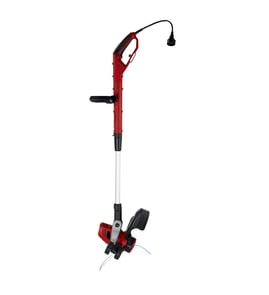
For the Weed Eater XT112 electric line trimmer, .095 line is better for thicker weeds and longer runtime between re-spools, while .080 line is better for lighter grass and cleaner edging with less load on the motor. We match line thickness to what you cut most often.
Quick pick guide
- Choose .080 for light trimming, sidewalks, and detail work
- Choose .095 for heavier weeds and fence-line growth
- If the trimmer bogs down or trips a breaker, step down in thickness
- If the line keeps snapping or wearing fast, step up in thickness
- Use the correct spool setup so the line feeds smoothly
Side-by-side comparison
| Feature | .080 line | .095 line |
|---|---|---|
| Best for | Grass, light weeds | Thick weeds, tougher stems |
| Durability | Moderate | Higher |
| Cutting aggressiveness | Lighter | Stronger |
| Motor load | Lower | Higher |
| Typical feel | Cleaner edging | More “power” through growth |
What to watch for on an electric trimmer
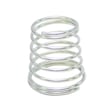
- Feed problems: If line will not advance, check the spool seating and the line trimmer spool retainer clip 530401957.
- Overload: If the head slows in tall weeds, reduce line thickness or shorten the line length you are cutting with.
- Vibration: Rewind evenly and avoid mixing old and new line on the same spool.
Why it matters
Line thickness changes cutting performance and how hard the motor has to work. On an electric trimmer like the XT112, the right line helps you cut efficiently without constant breakage or bogging.
Last updated: February 2026
How to change trimmer line on weed eater?
To change trimmer line on the Weed Eater XT112 electric line trimmer, we remove the spool from the trimmer head, wind new line in the correct direction, then reinstall the spool and secure it so the line feeds smoothly during use.
Before you start (safety and setup)
- Unplug the electric trimmer before touching the head or spool.
- Wear gloves and eye protection; cut line ends can snap back.
- Clean grass and debris from the head so the spool seats correctly.
- Inspect the spool retainer; if it will not hold the spool, replace the line trimmer spool retainer clip 530401957.
Steps to replace the line (typical XT112-STYLE bump head)
- Remove the spool: Press the head tabs or release the retainer (varies by head style), then lift the spool straight off.
- Remove old line: Pull out remaining line and clear any tangles.
- Cut new line: Most electric trimmers use 0.065 in to 0.080 in line; match what your spool and head accept.
- Wind the line: Feed the line into the spool anchor hole/slot and wind evenly in the direction shown on the spool (usually an arrow). Keep tension so it lays in neat rows.
- Set the line ends: Leave equal lengths on both sides (or the single line end, depending on spool design) and lock them into the spool notches.
- Reinstall and secure: Place the spool back onto the spindle, route the line through the eyelets, then snap the cap/retainer back on.
Quick checks if the line will not feed
- Line is too thick or brittle; switch to the correct diameter.
- Line is cross-wound; rewind neatly with steady tension.
- Spool is not fully seated; reinstall and confirm the retainer locks.
- Retainer is worn or broken; replace the line trimmer spool retainer clip 530401957.
Common symptoms and likely causes
| Symptom | Most common cause | What to do |
|---|---|---|
| Line jams | Cross-wound line | Rewind evenly and do not overfill |
| Line breaks often | Too thick line or hitting hard edges | Use correct diameter; avoid edging on concrete |
| Spool pops off | Worn retainer | Replace retainer clip |
Why it matters
Correctly wound line reduces jams, improves cutting performance, and prevents damage to the trimmer head and spool retainer on your XT112.
Last updated: February 2026
Why do landscapers take the guard off string trimmers?
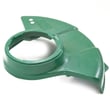
Landscapers sometimes remove the debris guard on a string trimmer to improve sightlines for edging, fit into tight spots, and run a longer cutting line for faster coverage. On a Weed Eater XT112 electric line trimmer, that speed comes with more flying debris and a higher chance of line, spool, or fastener problems.
What changes when the guard is removed
- Visibility improves for straight edging along sidewalks and curbs.
- Cutting swath can increase if a longer line is used.
- Access improves around fences, shrubs, and landscape borders.
- Debris control gets worse; rocks and sticks can eject toward the operator.
- Wear can increase on the trimmer head components.
Risks we see most often (and the parts that take the hit)
Removing the guard typically means the head is exposed to more impacts and vibration. These are common outcomes:
- Line breaks more often and can tangle in the head
- The spool can loosen or shift after bumps
- Fasteners can back off from vibration
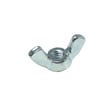
If you are troubleshooting a loose or unstable head after heavy use, check the head hardware and retention parts first, including the line trimmer spool retainer clip 530401957 and the wing nut 530091373.
Safer ways to get “pro” results without removing the guard
- Use the correct line diameter for the head (too thick overloads the head)
- Keep the line at a moderate length (long line increases drag and vibration)
- Edge with the head slightly tilted, not fully vertical
- Clear the area of rocks and wire before trimming
- Wear eye protection and long pants every time
Quick comparison
| Goal | With guard installed | With guard removed |
|---|---|---|
| Edging visibility | Good | Better |
| Debris control | Better | Worse |
| Head/line wear | Lower | Higher |
Why it matters
The guard is designed to limit line length and deflect debris. When it is removed, the trimmer can feel faster, but the trade-off is more kickback, more thrown objects, and more frequent head-related issues that lead to parts replacement.
Last updated: February 2026
How to start a 2 stroke string trimmer?
To start a 2-stroke string trimmer, set the choke for a cold start, prime if equipped, then pull the starter rope until it fires; move the choke toward RUN and pull again until it stays running. If your Weed Eater XT112 is electric, it starts with a trigger and does not use choke, primer, or a pull rope.
Quick start steps (2-stroke gas trimmers)
- Fill with fresh 2-cycle fuel mix (correct oil-to-gas ratio for your brand).
- Move the stop switch to ON.
- Press the primer bulb 5 to 10 times (if your trimmer has one).
- Set choke to FULL (cold engine).
- Hold the throttle trigger (or set fast-idle latch if equipped) and pull the rope 3 to 10 pulls until it “pops”.
- Move choke to HALF or RUN; pull again until it starts, then let it warm up 30 to 60 seconds.
If your Weed Eater XT112 is electric (common for this model page)
Electric line trimmers typically start like this:
- Plug into a working outlet (use a heavy-duty outdoor-rated extension cord).
- Hold the safety lock button (if equipped).
- Squeeze the trigger to run.
- Keep the cord behind you and away from the cutting path.
Common no-start causes and what to check
| Symptom | Most common cause | What we recommend |
|---|---|---|
| Fires once, then dies | Choke not moved to RUN | Move choke toward RUN after the first “pop” |
| Won’t fire at all | Old fuel or wrong mix | Drain and refill with fresh 2-cycle mix |
| Pull rope feels normal, still no start | Flooded engine | Choke OFF, hold throttle wide open, pull 10 to 15 times |
| Electric unit dead | Power/cord issue | Try a different outlet; inspect cord for cuts |
Why it matters
Using the correct starting method prevents flooding, reduces pull-start wear, and helps the engine (or electric motor) reach stable speed quickly for smoother trimming.
For spool-head issues after it starts, the line trimmer spool retainer clip 530401957 is a common wear item that can affect how the spool stays seated.
Last updated: February 2026
How do I turn on the trimmer?
To turn on the Weed Eater XT112 electric line trimmer, we plug it into a working outlet (or heavy-duty outdoor extension cord), then press and hold the safety lock button while squeezing the trigger to start the motor.
Quick start steps (XT112)
- Inspect the cord and plug for cuts, crushed spots, or loose prongs.
- Plug into a GFCI-protected outdoor outlet.
- Hold the trimmer firmly with two hands.
- Press and hold the safety lock (lock-off) button.
- While holding the lock, squeeze the trigger switch to run.
- Release the trigger to stop.
If it will not start
These checks solve most “won’t turn on” issues for corded electric trimmers:
- Reset the GFCI outlet or breaker, then try again.
- Try a different outlet to confirm power.
- Use a heavier-gauge extension cord (thin cords can cause voltage drop).
- Check that the trigger moves freely and is not jammed with debris.
- If the head is jammed, remove wrapped grass and confirm the spool spins freely; a damaged retainer can let the spool bind.
Helpful part to check
| Symptom | What to inspect | What it affects |
|---|---|---|
| Head binds, line spool feels loose, cover will not stay seated | Line trimmer spool retainer clip 530401957 | Spool retention and smooth rotation |
Why it matters
Using the lock-off plus trigger correctly prevents accidental starts and protects the switch. Confirming power and cord size first avoids unnecessary parts replacement and helps the motor start with full voltage.
Last updated: February 2026