Owner’s manual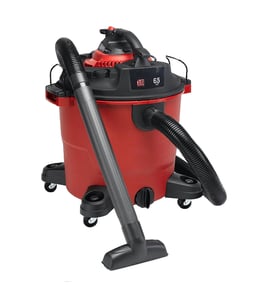

What is the top rated wet-dry vacuum?
There is no single “top rated” wet-dry vacuum for every job; the best choice depends on whether you need a household wet/dry vac for light cleanup or a larger shop-style unit for heavy debris. For Craftsman model 9-17767 (a 16-gallon wet/dry vacuum), we focus on safe, correct setup and use so you get maximum suction and reliability; see the Craftsman 9-17767 owner’s manual.
When comparing wet-dry vacuums, we recommend matching the vacuum to the work you actually do most often.
- Capacity: small (2 to 6 gallon) for quick indoor jobs; 12 to 16 gallon for garage and shop cleanup
- Pickup type: dry debris, liquids, or both (some setups require different filters)
- Corded vs. cordless: corded for long run time; cordless for portability
- Hose diameter and length: larger diameter moves bulky debris better
- Accessory support: wet nozzle, utility nozzle, crevice tool, floor tool, blower nozzle
Ratings typically reflect a mix of suction performance, ease of use, noise, and durability.
| Best for | What to prioritize | Typical features |
|---|---|---|
| Household spills and quick cleanups | Maneuverability, storage, easy filter cleaning | Compact body, quick-change tools |
| Garage and shop messes | Capacity, airflow, rugged hose and casters | 12 to 16 gallon tank, larger hose |
| Fine dust (drywall, sawdust) | Filtration and maintenance frequency | Pleated filter, frequent emptying |
| Wet pickup | Correct wet setup, drain convenience | Wet nozzle, drain cap |
Even a highly rated wet/dry vacuum will feel weak if it is set up incorrectly.
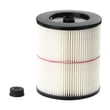
- Keep the filter correctly installed to prevent leaks and protect the motor
- For very fine dust, empty the drum and clean the filter more often to maintain peak suction
- Use a dry filter for dry pickup; a wet filter clogs quickly with dust
- If the filter is wet and you need dry pickup, run the vac about 10 minutes without the hose to help dry the filter
- Use the air diffuser in the exhaust port during vacuuming mode to break up direct airflow
Choosing the right wet/dry vacuum and using the correct filter and accessories reduces clogging, improves suction, and helps prevent avoidable motor damage, especially when switching between liquid pickup and fine dust.
Last updated: January 2026
How long does a wet-dry vacuum last?
A wet/dry vacuum like the Craftsman 9-17767 typically lasts 7 years with normal homeowner use. Lifespan depends most on how often you run it, how well you keep the filter clean and dry, and whether the motor is protected from clogs and moisture (see the Craftsman 9-17767 owner’s manual).
| Use pattern | Typical lifespan | What usually wears first |
|---|---|---|
| Occasional DIY and garage cleanup | 8 to 10 years | Filter, hose, seals |
| Regular shop use (weekly) | 6 to 8 years | Motor brushes, switch, filter |
| Heavy use (daily or jobsite) | 3 to 5 years | Motor, power cord, bearings |
- Noticeably weaker suction even after cleaning the filter and emptying the drum
- Motor runs hotter, smells “electrical,” or trips a breaker
- Loud grinding or rattling that is new and persistent
- Frequent clogging from fine dust (filter loading up quickly)
- Cracked drum, leaking seals, or damaged hose connections
The manual emphasizes filter care; a clogged or wet filter reduces airflow and can strain the motor.
- Keep the filter installed and seated correctly for dry pickup to prevent leaks and protect the motor
- Empty the drum more often when vacuuming fine dust
- If the filter gets wet, dry it fully before dry pickup; running the vac without the hose for about 10 minutes helps dry the filter
- For large liquid pickup, remove the filter to prevent saturation and exhaust misting
- Clean the drum and exterior with mild soap and water; dry thoroughly before storage
Wet/dry vac motors rely on steady airflow for cooling. Good filter habits and avoiding saturated filters reduce overheating, keep suction strong, and prevent premature motor failure.
Last updated: January 2026
What should you not vacuum with a wet dry vac?
For the Craftsman 9-17767 16-gallon wet/dry vacuum, do not vacuum flammable liquids or vapors, burning or smoking materials, toxic materials, or fireplace soot and ash; these can create fire, explosion, health, or vacuum-damage risks. See the 9-17767 owner's manual for the full safety list.
- Gasoline, lighter fluid, solvents, oil-based paint materials, and other flammable or combustible liquids, gases, or vapors
- Explosive or combustible dusts (for example grain dust, coal dust, magnesium dust)
- Anything burning or smoking (cigarettes, matches, hot ashes)
- Fireplace soot or ash (very fine dust that can pass through the filter and damage the vacuum)
- Toxic materials (dusts or vapors that create a health hazard)
Wet/dry vacs are designed for typical shop debris and small liquid pickups, but setup matters.
- Dry debris: keep a dry filter installed for best airflow and filtration
- Small liquid pickup: the filter can usually stay in place
- Large liquid pickup: remove the filter to reduce misting at the exhaust, then dry the filter afterward
| Pickup type | Filter installed? | Key tip |
|---|---|---|
| Dry debris | Yes | Empty drum and clean filter more often for fine dust |
| Small liquids | Usually yes | Stop and empty before the drum gets too full |
| Large liquids | No (recommended) | Keep the float system in place; it helps shut off airflow when full |
Avoiding flammables, burning debris, and ultra-fine ash protects the motor from ignition sources, prevents filter bypass and clogging, and reduces the chance of electric shock or exposure to hazardous dusts.
Last updated: January 2026
Are wet dry vacuums good for hardwood floors?
Yes, a wet/dry vacuum like the Craftsman 9-17767 can work well on hardwood floors for dry debris (dust, pet hair, grit) and for small liquid pickups, as long as you avoid soaking the wood and you use the right attachment and filter setup described in the Craftsman 9-17767 owner’s manual.
Hardwood scratches easily and can swell if water sits on it, so focus on controlled pickup and gentle contact.
- Use a soft floor tool or a nozzle that will not drag grit across the finish.
- Vacuum dry debris first; grit is what causes most scratching.
- For spills, pick up small amounts quickly, then dry the area with a towel.
- Keep the filter installed for dry pickup; the manual notes the filter must be in the correct position to avoid leaks and possible damage.
- If the filter gets wet, dry it before switching back to dry debris (a wet filter clogs quickly when picking up dust).
Wet/dry vacs are great at removing liquid, but they are not floor washers. Use them for spills, not for routine “mopping.”
| Task on hardwood | Wet/dry vacuum fit | Notes |
|---|---|---|
| Dust, crumbs, pet hair | Excellent | Use a floor tool; avoid hard edges on the nozzle. |
| Grit/sand near doors | Excellent | Vacuum before walking through to reduce scratching. |
| Small spill pickup | Good | Pick up fast; do not leave standing water. |
| Washing the whole floor | Poor | Use a hardwood-safe mop system instead. |
These practices protect the motor, filter, and your floor finish.
- Do not use the vac for burning/smoking materials or hot ashes.
- Do not vacuum fireplace soot/ash; it is very fine dust that can bypass the filter and cause damage.
- Do not use a torn filter for dry pickup.
- Do not leave the vac plugged in and unattended.
Hardwood floors are durable, but the finish is vulnerable to abrasion (grit) and moisture (swelling, dull spots). Using the correct nozzle and keeping the filter dry helps the Craftsman 9-17767 maintain suction while protecting the floor.
Last updated: January 2026