 Owner’s manual




Can I replace dishwasher parts myself?
Yes, for a GE PDT755SYR3FS dishwasher we can often replace simple, non-wired parts ourselves (like spray arms, hoses, and some seals) as long as we shut off power and water first. For electrical, heating, or control issues, we follow the PDT755SYR3FS owner's manual and use a qualified technician when the procedure is not specifically recommended.
What we can usually DIY (common, lower-risk repairs)
- Cleaning or reseating filters and checking the float area for sticking
- Replacing a spray arm if it is cracked, clogged, or not spinning
- Replacing a drain hose if it is split, kinked, or leaking
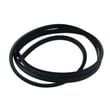
- Replacing a tub gasket if the door area is leaking
- Replacing a door latch if the dishwasher will not start because the door will not latch
Repairs that are usually better for a technician
The manual warns against repairing or replacing parts unless the procedure is specifically recommended; it also stresses disconnecting power before maintenance.
- Control and UI electronics (diagnosis, wiring, programming)
- Heating circuit work (heater, high-limit devices, wiring)
- Pump and motor electrical testing
- Hard-wired electrical connections and grounding checks
Quick safety checklist before you start
- Turn off the dishwasher breaker (do not rely on the control panel)
- Shut off the water supply valve under the sink
- Let the heating element cool before touching anything inside
- Take photos of wire routing and hose connections before removal
- Keep small parts (clips, posts) away from children
Common symptoms and the part that often matches
| Symptom | What to check first | Example model-matched part |
|---|---|---|
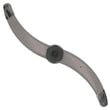
| Not cleaning well | Clogged or damaged spray arm | Dishwasher spray arm, lower WD22X33499 |
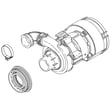
| Not draining | Drain path blockage, then pump | Dishwasher drain pump WD19X25461 |
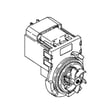
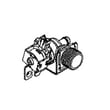
| Won’t fill | Water supply, then inlet valve | Dishwasher water inlet valve WD15X26078 |
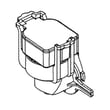
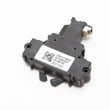
| Won’t start | Door not fully latching | GE dishwasher door latch lock WD21X10490 |
Why it matters
DIY replacement can save time and money, but dishwashers combine water, heat, and electricity. Using the correct GE PDT755SYR3FS procedures helps prevent leaks, shock risk, and repeat failures.
Last updated: February 2026
What is the average lifespan of a GE dishwasher?
A GE dishwasher typically lasts 10 to 12 years with normal household use. For your GE PDT755SYR3FS, consistent cleaning and correct detergent use (per the PDT755SYR3FS owner's manual) helps you stay on the longer end of that range.
Typical lifespan and what changes it
Most dishwashers fall into a predictable life range; what matters is heat, water quality, and how hard the unit works each week.
- 10 to 12 years: typical expected lifespan for a GE dishwasher
- 8 to 10 years: heavy use, hard water scale, frequent clogs or overheating
- 12 to 15 years: lighter use, good maintenance, fewer mineral deposits
Maintenance that extends life (high impact)
These steps reduce strain on the wash system, drain system, and seals.
- Clean the interior regularly to reduce mineral buildup and odors
- Use automatic dishwasher detergent only (never hand dish soap)
- Adjust detergent amount for water hardness to prevent etching and residue
- Keep spray paths clear; remove labels, seeds, and debris from dishes before loading
- Inspect for leaks and address them early (standing water, damp insulation, musty smell)
Quick reference: what wears out first
| Area | Common symptom | Typical fix |
|---|---|---|
| Drain system | Water left in tub | Clear blockage; check drain hose routing |
| Wash circulation | Poor cleaning, weak spray | Clean spray arms; check pump performance |
| Heating/drying | Dishes stay wet | Verify heat settings; check heater circuit |
| Door sealing | Leaks at bottom/sides | Clean sealing surfaces; replace worn gasket |
Why it matters
A dishwasher near the end of its lifespan often shows small issues first (longer cycles, weaker cleaning, intermittent draining). Staying on top of cleaning and detergent habits helps protect expensive components like the wash pump and control electronics.
Last updated: February 2026
What is the most common problem with GE dishwashers?
The most common GE dishwasher problems are draining issues, not starting, and poor cleaning. On the GE PDT755SYR3FS, these usually trace back to a clogged filter/sump area, a drain restriction, or a door latch or control issue; many are fixed with cleaning and a reset.
Most common issues we see (and what they point to)
- Won’t drain or drains slowly: clogged filter/sump, blocked drain hose, or a failing drain pump
- Won’t start or stops mid-cycle: door not latching, control panel lock, tripped breaker, or a leak-detection stop
- Not cleaning well: spray arm blockage, low water fill, or wash pump circulation problems
- Suds/foam in tub: wrong detergent (hand soap or non-dishwasher detergent)
- Odor or film buildup: needs routine cleaning and hard-water deposit removal
Quick checks before replacing parts
- Reset power: trip the breaker off for 1 minute, then back on.
- Confirm the door is fully latched: a weak latch can prevent a cycle from starting.
- Check for suds: use only automatic dishwasher detergent; suds can cause poor wash performance.
- Inspect the drain path: look for kinks or clogs at the sink/disposer connection.
- Clean and maintain the interior: follow the cleaning steps in the PDT755SYR3FS owner’s manual.
Parts that commonly solve these symptoms (when checks don’t)
| Symptom | Common suspect | Example model-matched part |
|---|---|---|
| Not draining | Drain pump or drain restriction | Dishwasher drain pump WD19X25461 |
| Won’t start | Door latch not engaging | GE dishwasher door latch lock WD21X10490 |
| Poor cleaning | Clogged or damaged spray arm | Dishwasher spray arm, lower WD22X33499 |
| Fill or water-level issues | Inlet valve or sensing issue | Dishwasher water inlet valve WD15X26078 |
Why it matters
Drain and start problems can cancel cycles, leave standing water, and trigger leak-protection behavior. Cleaning the filter area and confirming proper latching often restores normal operation without guesswork.
Last updated: February 2026





