 Installation guide
 Owner’s manual



What is the most common problem with GE dishwashers?
On the GE GDT645SGN3WW dishwasher, the most common customer-reported issue is the dishwasher won’t start or won’t run. In many cases, the cause is simple (power interruption or control lock), but a door-latch problem or a leak-detection shutdown can also stop a cycle.
Quick checks we recommend first
- Reset the house breaker (or replace the fuse) and make sure no other heavy loads are on the same circuit.
- If your installation uses a wall switch for dishwasher power, confirm it is turned on.
- Make sure the door is fully closed and latching firmly.
- Check whether the control panel is locked and unlock it if needed.
- If the unit starts then cancels, look for signs of a leak under the dishwasher.
What commonly fails when it won’t start
If power and settings are correct, these parts are frequent suspects on this model:
- Door latch: a weak or failed latch can prevent the control from allowing a cycle to begin.
- Wiring/thermal fuse: a blown thermal fuse or damaged harness can cut power to the controls.
- User interface or control board: intermittent buttons or no response can point to an electronic control issue.
| Symptom | Most likely area | What to check next |
|---|---|---|
| No lights, no response | Power supply, thermal fuse | Breaker, wall switch, harness connections |
| Lights on, won’t start | Door not sensed closed | Latch engagement, strike alignment |
| Starts then stops/drains | Leak detection triggered | Water in base, loose hose, gasket issues |
Why it matters
A “won’t start” complaint is often a safety interlock doing its job. The dishwasher must sense proper power, a closed door, and (on some versions) no active leak condition before it will run, so quick checks can prevent unnecessary parts replacement.
Helpful references for this model
- Use the GDT645SGN3WW owner’s manual for control lock, start/reset behavior, and troubleshooting steps.
- If you see an error code, match it using GE electronic dishwasher error codes.
Last updated: January 2026
Is GE Profile considered high end?
Yes. GE Profile is generally considered GE’s higher-end line, positioned above standard GE models with more premium features, styling, and performance options. For your GE dishwasher model GDT645SGN3WW, the exact feature set depends on the specific configuration listed in the GDT645SGN3WW owner's manual.
What “high end” usually means for GE Profile
GE Profile appliances typically focus on upgraded convenience and design compared to base GE lines. Common differences include:
- More wash and dry options (cycle and option variety)
- Quieter operation (lower dBA ratings on many Profile models)
- More advanced controls and sensors (soil sensing, temperature management)
- Enhanced rack features and adjustability
- More premium exterior and handle styling
How to confirm what your dishwasher includes
The fastest way to confirm whether your specific unit is a Profile model and what it offers is to match the model number and features.
- Check the model tag for GDT645SGN3WW (usually on the tub frame near the door)
- Compare cycles, options, and indicator lights to the GDT645SGN3WW owner's manual
- If the dishwasher shows an error or unusual behavior, use the GE electronic dishwasher error codes reference to interpret the code
Quick comparison (typical positioning)
| GE line | Typical positioning | What you usually get |
|---|---|---|
| GE | Core / value | Essential cycles and features |
| GE Profile | Premium | More features, quieter designs, upgraded styling |
| GE Cafe / Monogram | Luxury | Design-forward, pro styling, highest-end options |
Why it matters
Knowing whether your dishwasher is GE Profile helps set expectations for noise level, cycle options, and repair decisions. It also helps you choose the right troubleshooting steps and replacement parts when performance changes over time.
Last updated: January 2026
What is the average lifespan of a GE dishwasher?
A GE dishwasher typically lasts about 10 years with normal use and basic upkeep. For your GE GDT645SGN3WW, consistent cleaning, correct loading, and fixing small issues early are the biggest factors that help you reach (or beat) that average; see the GDT645SGN3WW owner's manual for care routines.
What affects dishwasher lifespan most
- Cleaning and maintenance: Keeping the interior and filters clean reduces strain on the wash system.
- Water quality: Hard water buildup can shorten the life of pumps, valves, and heating components.
- Loading habits: Overloading or blocking spray arms can lead to poor cleaning and extra wear.
- Heat and drying use: Heated dry and high-temp options add stress to heating and venting parts.
- Small problems left unresolved: A slow drain or weak spray often turns into a bigger repair.
Quick maintenance checklist (high impact)
- Run a monthly cleaning cycle as described in the GDT645SGN3WW owner's manual.
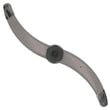
- Keep spray paths clear; if the lower arm is cracked or clogged, inspect the dishwasher spray arm, lower WD22X33499.
- Scrape heavy food off dishes; avoid letting debris collect in the sump area.
- Use the right detergent amount for your water hardness.
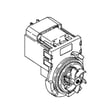
- Address draining issues quickly (standing water, gurgling); the drain system may involve the dishwasher drain pump WD19X25461.
Typical lifespan expectations
| Item | Typical range | What usually ends a dishwasher’s life |
|---|---|---|
| Dishwasher overall | 8 to 12 years | Leaks, repeated control failures, major pump issues |
| Key wear items | 5 to 10 years | Pumps, valves, heating, door sealing |
Why it matters
A dishwasher that is cleaned regularly and kept draining and spraying correctly runs with less load on the wash pump, drain pump, and heater. That reduces overheating, mineral buildup, and premature part wear, which is what most often cuts lifespan short.
Last updated: January 2026
Can a clogged drain cause an FTD error?
Yes. On the GE GDT645SGN3WW dishwasher, a clogged drain path can trigger an FTD-related fill/drain problem because the dishwasher may detect water still in the tub when it expects to be empty before the next fill.
What to check first (fast, no parts)
- Cancel the cycle and let the dishwasher try to drain.
- Check for standing water in the bottom of the tub.
- Clean the sink air gap (if your setup has one); the manual notes an air gap helps prevent backup when a drain clogs.
- If the dishwasher drains through a disposer, run the disposer to clear it.
- Confirm the kitchen sink drains normally; a slow sink often points to a household drain restriction.
Common clog points on this model
A restriction anywhere in the drain route can cause slow or incomplete draining.
| Clog location | What you may notice | What to do |
|---|---|---|
| Air gap (countertop) | Water backing up, poor draining | Clean the air gap cap and passage |
| Garbage disposer inlet | Dishwasher drains poorly after install | Run disposer; clear disposer inlet plug if applicable |
| Drain hose | Kinks, slow drain, intermittent issues | Inspect routing; avoid kinks and sags |
| Drain pump area | Humming, little or no drain flow | Check for debris at the pump inlet |
If you find the hose damaged or collapsing, replacing the drain hose is a solid fix: dishwasher drain hose WD24X10062.
When it is not just a clog
If the drain path is clear but the dishwasher still will not pump out, the issue is often a failed drain pump, a control issue, or a sensor-related problem.
- Drain pump not running or only humming: consider dishwasher drain pump WD19X25461
- Fill and drain behavior seems inconsistent: the pressure sensing system can be involved, including GE dishwasher pressure sensor WD21X25468
Why it matters
FTD-style errors are frequently caused by leftover water in the tub. Restoring normal drain flow prevents false “not empty” conditions and helps the dishwasher start the next fill cycle correctly.
For model-specific cleaning steps and drain setup guidance, use the GDT645SGN3WW owner's manual and the GDT645SGN3WW installation guide.
Last updated: January 2026





