Installation guide
 Owner’s manual
 Error Codes


What is the advantage of a bottom mount fridge?
A bottom-mount refrigerator like the KitchenAid KBRC36FTS03 puts the fresh-food compartment at eye level, so we can reach everyday items with less bending. The freezer stays in the lower drawer, which helps keep frequently used foods easier to see and organize.
Key benefits you will notice day to day
- Less bending for milk, produce, and leftovers (fresh-food section is higher)
- Better visibility for refrigerated items, so food is less likely to get forgotten
- Freezer drawer can hold bulky items and stacks well with baskets and pans
- More comfortable access if you have back or knee strain
- Built-in bottom-mount designs often support a clean, cabinet-flush look (installation planning matters)
Bottom mount vs top mount: quick comparison
| Feature | Bottom mount | Top mount |
|---|---|---|
| Fresh-food access | Easier (at eye level) | Requires more bending |
| Freezer access | Lower drawer, pull-out | Upper door, reach up |
| Organization | Strong for fridge items | Strong for freezer items |
Why it matters for this built-in model
Because KBRC36FTS03 is a built-in bottom-mount, installation clearances and moving the unit into place are important for safety and fit. We recommend following the step-by-step requirements in the installation guide, especially for handling and positioning.
Tips to get the most from a bottom-mount layout
- Keep the most-used items on the middle shelves for fastest access
- Use crisper pans for produce to reduce moisture loss and clutter
- Avoid overpacking the freezer drawer; airflow helps maintain even temperatures
- Set typical targets: 37°F for the refrigerator and 0°F for the freezer (adjust for your preference)
Last updated: February 2026
How to remove bottom grill from KitchenAid refrigerator?
To remove the bottom grille (base grille) on your KitchenAid KBRC36FTS03 bottom-mount refrigerator, pull the grille straight forward to release it from the lower frame. Reinstall by aligning it on the lower frame and snapping it back into place; confirm fit details in the installation guide.
Quick steps
- Open the refrigerator doors for better access and clearance.
- Grip the base grille at both ends.
- Pull straight out toward you; avoid twisting so the clips do not bind.
- If a skirt piece is attached (used to extend the grille to the floor), remove the grille as an assembly.
- To reinstall, align the grille with the lower frame and press until it snaps in.
If it feels stuck
- Check for shipping packaging or a parts bag behind the grille; these are sometimes stored there during installation.
- Look for screws or trim pieces that may be holding a custom panel or skirt in place.
- Pull evenly from both ends; a one-sided pull can wedge the grille.
Base grille fit and clearance (what to look for)
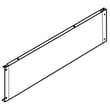
The installation instructions describe a two-piece base grille system (base grille plus optional skirt). The skirt is used only when you need to extend the grille down to the floor.
| Item | What it does | What to verify |
|---|---|---|
| Base grille | Covers the lower machine compartment area | It seats squarely on the lower frame |
| Skirt (optional) | Extends the grille to the floor for a custom fit | Maintain at least a 1/2 inch gap needed to add the skirt |
Why it matters
Removing the base grille gives you access for cleaning and for certain service tasks (like checking airflow at the bottom of the refrigerator). A grille that is not fully snapped in can rattle and can restrict ventilation.
Last updated: February 2026
Which is better, top mount or bottom mount refrigerator?
A bottom-mount refrigerator like KitchenAid model KBRC36FTS03 is better when you want fresh-food items at eye level and a wider, more organized refrigerator section; a top-mount is better when you want the lowest upfront cost and don’t mind bending more for the fridge compartment.
Quick comparison
| Feature | Top-mount (freezer on top) | Bottom-mount (freezer on bottom, like KBRC36FTS03) |
|---|---|---|
| Everyday access | More bending for fresh food | Less bending for fresh food |
| Freezer access | Easier access | More bending for freezer |
| Organization | Often simpler shelving | Often better fresh-food layout |
| Typical cost | Usually lower | Usually higher |
| Best for | Budget, basic storage | Frequent cooking, fresh-food use |
How we recommend choosing
- Choose bottom-mount if you use the refrigerator section most and want better visibility for produce, leftovers, and beverages.
- Choose top-mount if you want a simpler layout and typically use the freezer more often.
- If you are installing a built-in unit, prioritize fit and installation requirements first; see the installation guide.
- If you want to compare features like temperature controls, sound expectations, and normal operation, check the owner's manual.
- If you use filtered water or an ice maker, factor in ongoing maintenance such as routine water filter changes.
Why it matters
Most households open the refrigerator compartment far more than the freezer. With a bottom-mount design, the items you reach for daily sit higher and are easier to see, which reduces door-open time and helps temperature stability.
Bottom-mount ownership tips (KBRC36FTS03)
- Keep air vents clear so cold air can circulate properly.
- Set realistic expectations: built-in refrigerators can sound louder because surrounding cabinets reflect sound.
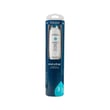
- Replace the water filter on schedule to protect water flow and ice quality; the refrigerator water filter EDR3RXD1 is a common replacement for this model.
Last updated: February 2026
How to get KitchenAid replacement parts?
For your KitchenAid KBRC36FTS03 bottom-mount refrigerator, we recommend ordering factory specified replacement parts by matching your model number and then selecting the exact part you need from the parts list. This helps ensure proper fit and reliable performance.
The fastest way to find the right part
- Confirm the full model number: KBRC36FTS03
- Use the parts diagrams to identify the exact location and name of the part
- Match by part ID (best) or part number (also works)
- Order the part and keep your receipt for your records
- Use the instructions in the owner's manual for safe access panels and basic troubleshooting
Common replacement parts for this model
These are frequently replaced items for water, ice, and cooling performance:
| What you need | What it affects | Example part on this page |
|---|---|---|
| Water filter | Water taste, flow, ice quality | Refrigerator water filter EDR3RXD1 |
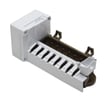
| Ice maker assembly | Ice production | Refrigerator ice maker WPW10277450 |
| Evaporator fan motor | Fresh food cooling, airflow noise | Refrigerator evaporator fan motor W11671461 |
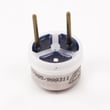
| Temperature sensor | Temperature accuracy, cycling | Refrigerator temperature sensor WP2188820 |
Tips to avoid ordering the wrong part
- Do not order by refrigerator style alone; always use KBRC36FTS03
- If a part has a cap, cover, or bracket, verify you are selecting the correct color/finish (for example, black vs. stainless)
- Compare your original part to the diagram callout and description before checkout
- For water system parts, shut off the water supply before disassembly
Why it matters
Factory specified parts are designed to fit and work correctly with the KBRC36FTS03. Using the correct part ID reduces installation issues and helps prevent repeat problems like leaks, warm temperatures, or poor ice production.
Last updated: February 2026
What is the most common problem with KitchenAid refrigerators?
The most common KitchenAid refrigerator problems are cooling complaints and ice maker or water system issues. On the KitchenAid KBRC36FTS03, we see these symptoms most often when airflow is restricted (dirty coils or a failing fan), when a sensor drifts out of range, or when the water filter is overdue.
Most common symptoms customers notice
- Refrigerator section too warm or temperatures swing
- Freezer OK but fresh food warm (airflow problem)
- Ice maker slow, small cubes, or no ice
- Unusual fan noise (rattling, buzzing, or intermittent)
- Water flow slows at the dispenser (if equipped)
Quick checks that solve many “common problems”
- Confirm settings and airflow: Make sure vents are not blocked by food packages.
- Clean the condenser area: Dust buildup makes the compressor run longer and can cause warm temps.
- Listen for the evaporator fan: If the fan is loud or not running, cooling performance drops.
- Replace the water filter on schedule: A clogged filter can reduce water flow and affect ice production; use the correct refrigerator water filter EDR3RXD1.
- Check for frost buildup: Heavy frost can point to an airflow or defrost-related issue.
Parts that commonly relate to these problems (KBRC36FTS03)
| Symptom | Common cause | Related part on this model |
|---|---|---|
| Warm refrigerator, freezer OK | Weak/no evaporator airflow | Refrigerator evaporator fan motor W11671461 or refrigerator evaporator fan blade WP2169142 |
| Temps fluctuate | Sensor reading off | Refrigerator temperature sensor WP2188820 |
| Slow/no ice | Water supply restriction or ice maker fault | Refrigerator water filter EDR3RXD1 or refrigerator ice maker WPW10277450 |
Why it matters
Cooling and ice maker complaints often share the same root causes: restricted airflow, heat not being rejected efficiently, or restricted water flow. Catching these early helps prevent food spoilage and reduces compressor run time.
For model-specific operating tips and maintenance intervals, use the owner's manual.
Last updated: February 2026