Owner’s manual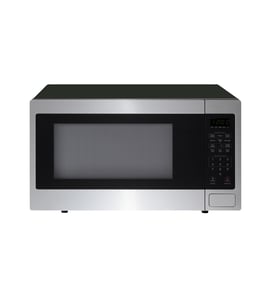




Is a 24 inch microwave too small?
A 24-inch microwave is not too small for many kitchens; it mainly depends on your cooking habits and the space you have. For the Dcs MO-24SS, the bigger fit concern is clearance and ventilation, not just width, so plan for proper airflow and an easy-to-reach location using the MO-24SS owner's manual.
How to decide if 24 inches is “enough”
A 24-inch-wide microwave typically works well for reheating, defrosting, and everyday cooking, but it can feel tight if you regularly heat large casserole dishes or oversized plates.
- Measure your most-used dinner plate and microwave-safe bowl
- Think about your largest “regular” item (covered casserole, bacon tray, meal prep container)
- If you cook for a family often, prioritize interior capacity and turntable size over exterior width
- If you mostly reheat and defrost, 24 inches is usually plenty
- Confirm you have counter space on at least one side for safe handling
Clearance matters more than width (especially for MO-24SS)
For countertop use, Dcs guidance is to allow airflow around the microwave.
| Placement factor | What to plan for | Why it matters |
|---|---|---|
| Side, top, rear clearance | At least 2 inches | Prevents overheating and supports proper air circulation |
| Counter location | Frequent-use, easy access | Reduces spills and burns when moving hot food |
| Built-in option | Use the correct built-in kit | Ensures safe fit and ventilation in a cabinet opening |
Built-in vs countertop: quick comparison
If you are considering a built-in look, MO-24SS can be installed with specific Dcs built-in kits (for approved wall-oven pairings). Use the MO-24SS owner's manual to confirm the correct approach for your kitchen.
- Countertop: simplest setup; just plan clearances
- Built-in: cleaner look; requires the correct kit and proper outlet placement
- Either way: keep the unit level and avoid blocking vents
Why it matters
A microwave that “fits” physically can still perform poorly if airflow is restricted. Proper clearance helps the cooling system work correctly and helps prevent nuisance shutoffs and heat-related wear.
Last updated: January 2026
What is the standard size for a countertop microwave?
Most countertop microwaves measure about 20 to 24 inches wide, 12 to 14 inches tall, and 16 to 20 inches deep. For the Dcs MO-24SS, use the MO-24SS owner's manual to confirm the exact exterior dimensions and the required clearances for safe airflow.
Typical “standard” countertop microwave size ranges
These ranges cover most 0.9 to 2.2 cubic foot countertop units:
- Width: 20 to 24 inches
- Height: 12 to 14 inches
- Depth: 16 to 20 inches
- Common capacity range: 0.9 to 2.2 cubic feet
- Space planning tip: add room for door swing and rear ventilation
Dcs MO-24SS clearance guidance (from the manual)
Even if the microwave fits the footprint, it still needs ventilation space.
- Allow at least 2 inches on the sides, top, and rear for air circulation
- Place it where you have counter space on at least one side for safe handling
- Plug into a properly grounded 3-prong outlet
- Keep the cord positioned so it cannot be pulled or tripped over
Countertop size vs built-in cutout size (do not mix these)
The “standard size” people quote is the microwave’s exterior size. Built-in installations use a cabinet opening (cutout) that is often larger and depends on the trim kit.
| Measurement | What it means | Used for |
|---|---|---|
| Exterior dimensions | Outside size of the microwave | Countertop/shelf fit |
| Clearance | Air space around the unit | Preventing overheating |
| Built-in cutout | Cabinet opening for a trim kit | Built-in installations |
Why it matters
A microwave can match a “standard” width and still not work in your space if the door hits a wall, the cord cannot reach safely, or airflow is restricted. Clearances help prevent overheating and performance issues.
Last updated: January 2026
What replacement parts are most commonly needed for the MO-24SS?
For the Dcs MO-24SS countertop microwave, the most commonly replaced items are door and turntable components (from daily use) and basic electrical safety parts like the fuse. If the unit runs but does not heat, high-voltage parts can also be involved; use the MO-24SS owner's manual for safe checks.
Most common replacement parts for this model
These are the parts we see replaced most often on the MO-24SS because they wear, break, or get damaged during normal use:
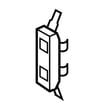
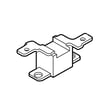
- Door latch pieces that help the door close and engage the safety interlocks: Dcs fisher & paykel microwave door latch 212510
- Door latch hook that catches and holds the latch: fisher & paykel microwave door latch hook 290059
- Turntable tray (cracked, chipped, or missing): fisher & paykel microwave turntable tray 212519
- Oven light (burned out): Dcs fisher & paykel microwave lamp 212536
- Fuse-related parts when the microwave is completely dead (no display): Dcs fisher & paykel fuse assembly 212496
Quick symptom-to-part guide
| Symptom | Commonly related parts | What to check first |
|---|---|---|
| Door will not close or unit will not start | Door latch, latch hook, springs, interlock actuator | Door alignment, latch movement, debris on sealing surfaces |
| Turntable not rotating | Turntable tray, tray support | Tray seated correctly on support and motor shaft |
| Light out but microwave otherwise works | Lamp | Confirm door opens and unit runs but light stays off |
| No power at all | Fuse assembly, fuse holder, cord | Outlet and breaker first, then fuse circuit |
| Runs but does not heat | Magnetron, capacitor, transformer | Stop using and have a qualified tech diagnose |
Why it matters (especially on the door)
The MO-24SS uses safety door latches and interlocks; the microwave will not operate unless the door is securely closed. A worn latch or hook can cause no-start issues and can also lead to door damage if forced.
Safety note for heating and high-voltage issues
If the microwave runs but the water does not warm during a simple heat test, internal high-voltage components may be involved. We recommend service by properly qualified personnel for these repairs.
Last updated: March 2026