Owner’s manual
 Error Codes



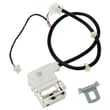
Does a GE washer have a filter that needs to be cleaned?
Yes, GE washers can have debris filtering in the drain system, but on the GE GTW490ACJ6WS top-load washer it is not typically a customer-cleaned “pump filter” like many front-loaders. We focus on preventing drain clogs by checking pockets, using the right detergent, and addressing slow-drain symptoms promptly using the GTW490ACJ6WS owner’s manual.
What you should do for this model
- Empty pockets before every load (coins, pins, small socks are common clog causes).
- If draining is slow, run a Drain & Spin cycle and recheck performance.
- Avoid overdosing detergent; excess suds can mimic drain problems and reduce cleaning.
- Leave the lid open after washing to help the interior dry and reduce odors.
- If you suspect a blockage, inspect the drain hose routing and standpipe for kinks or restrictions.
Where “filters” usually are (and what that means)
Top-load washers like the GTW490ACJ6WS often rely on the pump and hose path to move debris out rather than a front access clean-out filter.
| Washer type | Common filter style | Typical customer action |
|---|---|---|
| Front-load | Pump clean-out filter behind a small lower door | Clean periodically |
| Top-load (like GTW490ACJ6WS) | No easy-access pump filter; debris may lodge in pump/hose | Prevent clogs; service if blocked |
When a part may be involved
If the washer will not drain, drains slowly, or you hear the pump running but water stays in the tub, the drain pump or drain hose is often the next place to check.
- Drain pump symptoms: humming, intermittent draining, standing water
- Hose symptoms: kinks, pinched sections, restriction at the standpipe
- If replacement is needed, match by model GTW490ACJ6WS
Helpful parts for drain issues on this model:
Why it matters
Keeping debris out of the drain path helps your GE washer drain fully, reduces odor-causing leftover water, and prevents no-drain situations that can stop a cycle mid-wash.
Last updated: February 2026
How to check GE washer model?
For your GE washer, the model and serial number are printed on the rating label; on model GTW490ACJ6WS, you can find them under the lid. Write both down exactly as shown, then use the model number to match the correct parts list and troubleshooting info in the GTW490ACJ6WS owner's manual.
Where to find the model and serial number
On GTW490ACJ6WS, lift the washer lid and look along the underside area near the opening for the label.
- Lift the lid fully and look for a sticker or plate under the lid area
- Copy the model number and serial number character-for-character
- Take a clear photo of the label for future reference
- If the label is worn, use a flashlight and view from an angle to read faded print
- Keep the numbers with your purchase receipt and service notes
How to use the model number once you have it
The model number is what ensures you get the right GE washer parts and the right instructions.
| What you need | What it’s used for | Example for this washer |
|---|---|---|
| Model number | Correct parts diagrams, compatible replacement parts, manual match | GTW490ACJ6WS |
| Serial number | Manufacturing details and service identification | (Unique to your unit) |
Why it matters
GE often uses similar-looking cabinets across multiple washer series (GTW, HTW, etc.). Using the exact model number prevents ordering the wrong drain pump, lid lock, or suspension parts and helps you follow the correct operating and troubleshooting steps.
Last updated: February 2026
What are common problems with GE washers?
Common problems we see on GE top-load washers like model GTW490ACJ6WS include not spinning out well (often from an out-of-balance load), not filling, not draining, excessive vibration, and unusual noises. Many of these tie back to load sensing, water supply, or a few high-wear parts.
Most common symptoms and what to check first
- Won’t spin or clothes are too wet: redistribute the load evenly; then run Drain & Spin (the manual notes the Spin light can blink when the washer detects out-of-balance). See the GTW490ACJ6WS owner's manual.
- Won’t fill or fills slowly: confirm both hot and cold supply valves are fully open; the manual notes a 4-minute lockout can occur when water is not entering.
- Won’t drain: check for a kinked drain hose, a clogged pump inlet, or a failed pump.
- Vibrates or shakes: level the washer and avoid overloading; uneven loads can prevent full-speed spin.
- Lid won’t lock or won’t start: open and close the lid; the manual notes the washer may require the lid to be opened after multiple cycles.
Parts that commonly relate to these problems
If basic checks do not fix the issue, these model-matched parts are frequent suspects:
| Symptom | Common part involved | What it affects |
|---|---|---|
| Won’t drain / water left in tub | GE washer drain pump assembly WH23X28418 | Pumps water out during drain and spin |
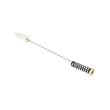
| Shaking / banging / off-balance | Washer suspension rod and spring assembly | Supports the tub and controls movement |
| Won’t shift between agitate and spin | Washer shifter assembly | Changes drive mode for agitation vs. spin |
| Won’t fill properly | Washer water inlet valve assembly | Controls water flow into the washer |
Why it matters
On GTW490ACJ6WS, the washer actively tries to correct out-of-balance conditions; when it cannot, you can end up with wetter-than-normal loads and longer cycles. Fixing loading, leveling, and water supply issues first prevents unnecessary part replacement.
Last updated: February 2026
What is the life expectancy of a GE washing machine?
Most GE washing machines typically last 10 to 14 years with normal household use and consistent care. For your GE GTW490ACJ6WS top-load washer, following the maintenance and operating guidance in the GTW490ACJ6WS owner’s manual helps you get the longest service life.
What affects washer lifespan the most
A washer’s life is usually determined by wear on moving parts (drive system, suspension, drain system) and by how it’s installed and maintained.
- Load size and balance: frequent overloading and off-balance loads increase stress on the tub and suspension
- Water quality: hard water and sediment can shorten valve and pump life
- Hose condition: GE recommends replacing fill hoses every 5 years
- Leveling and vibration: an unlevel washer can squeak, rub the cabinet, and wear parts faster
- Routine cleaning: detergent buildup and residue can cause odors and performance issues
Maintenance checklist (high impact, low effort)
Use this quick routine to extend the life of your GE GTW490ACJ6WS:
- Turn off water faucets when the washer is not in use
- Replace hot and cold fill hoses every 5 years
- Keep the washer level; adjust leveling legs if it rocks or squeaks
- Avoid chronic overloading; distribute bulky items evenly
- If you notice slow draining, check for drain restrictions early (before the pump strains)
Common “wear-out” items and what they usually cause
These are some of the most common parts that can affect performance as a washer ages:
| Symptom | Often related to | Example part for GTW490ACJ6WS |
|---|---|---|
| Won’t drain or drains slowly | Drain pump, drain hose restriction | GE washer drain pump assembly WH23X28418 |
| Excessive shaking or banging | Suspension rods/springs, leveling | Washer suspension rod and spring assembly WH16X26911 |
| Won’t spin or shifts oddly | Shifter/clutch/drive components | Washer shifter assembly WH03X30517 |
Why it matters
Knowing the typical 10 to 14 year lifespan helps you decide when maintenance makes sense versus when repeated repairs point to normal end-of-life wear. Catching issues early (like vibration or slow draining) often prevents bigger, more expensive failures.
Last updated: February 2026