Error Codes






How do I find the right GE part number?
For your GE C2Y366P2T1S1 gas range, the right part number comes from matching the exact model number and, when possible, the part’s location on the range (burner, oven, control panel, door). This prevents ordering a look-alike part that will not fit or connect correctly.
- Confirm the model number is C2Y366P2T1S1 (use the rating label on the range frame, storage drawer area, or behind the control panel area).
- Identify the system you are repairing: surface burners, oven bake/broil, ignition, gas valves, or controls.
- Use the exploded parts diagrams for C2Y366P2T1S1 to locate the part by section and reference number.
- Compare key details before ordering: finish/color, connector style, mounting holes, and left vs. right orientation.
- If the part is electrical (spark module, switch, control), verify symptoms with basic testing before replacing.
| What to write down | Example | Why it helps |
|---|---|---|
| Model number | C2Y366P2T1S1 | Ensures compatibility |
| Symptom | “Front burner won’t ignite” | Narrows to the right subsystem |
| Location | “Left front burner” | Avoids left/right mix-ups |
| Visual details | “2-pin plug, metal bracket” | Confirms the correct revision |
- Surface burner igniter and ignition switch (similar symptoms, different parts)
- Burner cap vs. burner head (both sit on top, different fit)
- Oven igniter vs. gas safety valve (both affect heating, different failure patterns)
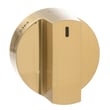
- Control knob vs. valve stem (cosmetic vs. functional)
GE ranges often have multiple part revisions within the same product family. Using the exact C2Y366P2T1S1 model number and the diagram callout prevents returns, delays, and unsafe fitment issues.
If you plan to test components before ordering, use how to use a multimeter to test electrical parts video.
Last updated: February 2026
What are the most common stove parts to replace?
On the GE C2Y366P2T1S1 gas range, the most commonly replaced parts are the ones that see the most heat, spills, and daily handling: surface igniters, burner components, oven igniter, door gasket, and control knobs. These parts typically cause no-heat, weak flame, or temperature loss symptoms when they wear.
- Surface burner igniter (spark electrode): clicking but no ignition, or intermittent lighting
- Burner cap and burner head: uneven flame, yellow flames, poor simmer control
- Oven igniter (hot surface igniter): oven will not heat, long preheat times
- Oven door gasket: heat leaking, uneven baking, longer cook times
- Control knob: loose fit, cracked knob, hard to set flame level
- Oven temperature sensor: temperature swings, overbaking or underbaking
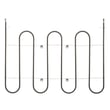
- Bake/broil element (on some ranges): weak broil or uneven browning (varies by design)
| Symptom | Most likely part area | What we check first |
|---|---|---|
| Burner clicks but won’t light | Igniter electrode, burner ports | Clean and dry burner base and ports |
| Flame is uneven or yellow | Burner head/cap, air/gas mix | Reseat cap, clear clogged ports |
| Oven won’t heat but broiler works | Oven igniter | Watch for igniter glow and gas ignition |
| Oven heats but bakes unevenly | Door gasket, sensor | Inspect gasket seal, verify temp accuracy |
| Knob spins or won’t turn smoothly | Control knob/valve stem | Check for cracks and stripped insert |
- Confirm the full model number C2Y366P2T1S1 from the rating plate so the part matches.
- For burner issues, clean spills and clogged ports first; many “bad igniter” symptoms are moisture or debris.
- If the oven is slow to heat, the igniter is a top suspect on gas ovens.
- For temperature complaints, test with an oven thermometer before replacing a sensor.
- If you smell gas, stop using the range and have the gas supply and connections checked.
Replacing the correct high-wear part restores safe ignition, stable flame, and accurate oven temperatures. It also prevents repeat failures caused by simple issues like blocked burner ports or a leaking door seal.
Related help: must have tools for appliance repair
Last updated: February 2026
What is the life expectancy of a GE gas range?
A GE gas range typically lasts 13 to 15 years. With consistent cleaning, correct flame setup, and timely replacement of wear items (like igniters and burner parts), many ranges can reach around 20 years of service, including the GE C2Y366P2T1S1.
Most gas ranges fall into a fairly consistent lifespan range; the difference is usually maintenance and how hard the oven and burners are used.
| Condition | Typical life expectancy | What usually limits life |
|---|---|---|
| Average household use | 13 to 15 years | Ignition and control issues, oven temperature problems |
| Well maintained, light to moderate use | 15 to 20 years | Wear in igniters, valves, wiring, sensors |
| Heavy daily cooking | 10 to 13 years | Faster wear on igniters, burner bases, electronics |
We see these habits make the biggest difference on GE gas ranges:
- Keep burner heads and ports clear so the flame stays even and blue
- Clean spills quickly to prevent corrosion around burners and the oven bottom
- Avoid slamming the oven door; it protects hinges and door alignment
- Use cookware that matches burner size to reduce overheating of knobs and trim
- Address weak ignition early (clicking, delayed lighting) before it stresses components
A single repair is normal; repeated failures in multiple systems usually signals the range is aging out.
- Burners take several seconds to ignite or won’t ignite consistently
- Oven temperature swings widely or takes much longer to preheat
- Gas odor persists after cleaning and checking burner caps are seated
- Control panel or display becomes intermittent (if equipped)
- Multiple repairs needed within a year (ignition plus oven heat plus controls)
Knowing the expected lifespan helps you decide whether to repair or replace. On an older GE C2Y366P2T1S1, investing in a major repair makes the most sense when the rest of the burners, oven heat, and gas controls are still operating reliably.
For safe DIY planning and realistic repair expectations, we recommend reviewing are diy appliance repairs safe.
Last updated: February 2026