Owner’s manual
 View engine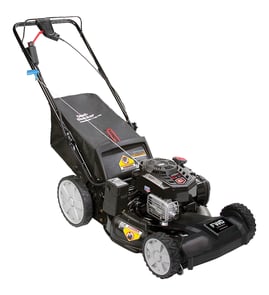


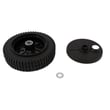
How to find Craftsman model number?
On the Craftsman rotary lawn mower model 917377781, the model number is printed on the mower’s identification label; it’s typically on the rear of the mower deck near the lower handle mounting area. Confirm the exact location and label format in the 917377781 owner's manual.
Where to look on the mower
Check these common spots on a Craftsman walk-behind mower deck:
- Back (rear) of the deck, between or near the lower handle mounts
- Rear-facing surface of the deck just above the discharge area
- Top of the deck near the engine mounting area (less common)
- Under the rear flap or near the bagging door area (if equipped)
What the label usually shows
The ID label often includes more than just the model number. Use this quick guide:
| Label item | What it’s used for | Example format |
|---|---|---|
| Model number | Matching parts and diagrams | 917.377781 or 917377781 |
| Engine model | Engine-specific parts (carburetor, recoil starter) | 143.046702 |
| Serial number | Production run identification | Varies |
Tips to read and use the number correctly
- Write the model number exactly as shown; include dots if present on the sticker.
- Use the mower model number (917377781) for deck, wheels, drive, and handle parts.
- Use the engine model number (often listed separately) for engine parts like the carburetor or starter rope.
- If the sticker is dirty, wipe it with a damp cloth and mild soap; avoid solvents that can erase printing.
Why it matters
The model number is the fastest way to get the right Craftsman parts the first time; small differences in a mower’s deck, drive system, or handle hardware can change which blade, pulley, or fasteners fit.
Last updated: January 2026
Should I use 87 or 91 gas for lawn mower?
For the Craftsman rotary lawn mower model 917377781, use fresh regular unleaded gasoline (87 octane) for normal operation. Higher octane (like 91) does not add power or improve reliability in a typical small mower engine; fuel freshness and proper storage matter far more. See the fuel and storage guidance in the 917377781 owner's manual.
What to use (and what to avoid)
- Use fresh, clean unleaded gasoline, typically 87 octane.
- Avoid using old or stale fuel; it is a common cause of no-start and rough running.
- If the mower will sit 30 days or longer, plan fuel storage steps so the fuel system does not gum up.
- Do not pour engine or carburetor cleaner products into the fuel tank.
- Keep the gas can clean and rust-free; dirt or rust in the can ends up in the carburetor.
Quick decision guide
| Situation | Best choice | Why |
|---|---|---|
| Weekly mowing, normal temps | 87 octane | Runs correctly in standard small engines |
| Hard starting after sitting | Fresh 87 octane (replace old fuel) | Stale fuel causes starting problems |
| Seasonal storage (30+ days) | Empty tank and run engine until it stops | Helps prevent fuel system damage during storage |
Storage tips that prevent fuel problems
The manual notes that gasoline can attract moisture and separate during storage, which can form acids and damage the fuel system. For storage of 30 days or longer, we recommend:
- Empty the gas tank.
- Start the engine and let it run until the fuel lines and carburetor are empty.
- Use fresh fuel at the start of the next season.
Why it matters
Using the correct fuel is less about octane and more about preventing varnish, corrosion, and carburetor clogging. Fresh gasoline and proper storage reduce no-start issues, surging, and poor performance.
Last updated: January 2026
What is the average lifespan of 917377781?
A Craftsman walk-behind mower like model 917377781 typically lasts 8 to 12 years with normal residential use and routine maintenance. Lifespan depends most on oil changes, blade care, clean fuel practices, and keeping the drive system adjusted and lubricated per the 917377781 owner's manual.
Typical lifespan by use
- Light use (small yard, weekly mowing): 10 to 12 years
- Average use (typical suburban yard): 8 to 10 years
- Heavy use (large yard, long seasons): 6 to 8 years
- Commercial or rental use: about 3 to 5 years
| Use pattern | What wears fastest | What extends life most |
|---|---|---|
| Light | blade, wheels | clean fuel, annual tune-up |
| Average | blade adapter, belts, drive parts | oil changes, air filter care |
| Heavy | transmission/gear case, wheels | frequent cleaning, timely part replacement |
What to replace to keep it running longer
These are common wear items on rotary mowers; replacing them on schedule prevents bigger failures:
- Blade and blade mounting hardware (a bent or dull blade strains the engine)
- Drive and wheel components (worn parts reduce self-propel performance)
- Discharge door/deflector parts (damage can affect cut quality and safety)
- Fasteners and retaining hardware that loosen or corrode
If you need a model-matched cutting part, the 21-inch 3-in-1 blade for this mower is the husqvarna lawn mower 21-in deck 3-in-1 blade 532189028.
Why it matters
Most “mower won’t last” problems come from running with old fuel, skipping oil changes, or continuing to mow with a damaged blade or loose hardware. Staying ahead of wear items keeps the engine, crankshaft, and drive system from being overloaded.
Last updated: March 2026