Owner’s manual
 View engine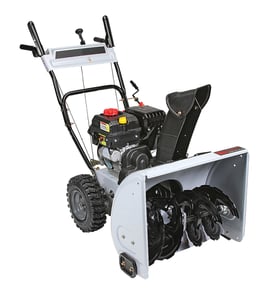


What is the typical lifespan of a gas snowblower?
A typical gas snowblower lasts 10 to 15 years with normal residential use and consistent maintenance. For the Craftsman 247888500 snow thrower, following the fuel, lubrication, tune-up, and off-season storage steps in the 247888500 owner's manual helps you reach the high end of that range.
Typical lifespan ranges (what we see most often)
| Usage and care level | Typical lifespan | What usually ends the life first |
|---|---|---|
| Light use, basic maintenance | 10 to 12 years | Belts, friction drive wear, corrosion |
| Average use, good maintenance | 12 to 15 years | Drive system wear, carburetor issues from storage |
| Heavy use, excellent maintenance | 15 to 20 years | Engine compression loss, gearbox wear |
Maintenance habits that extend life
- Change engine oil on schedule and keep the oil at the correct level.
- Use clean, fresh unleaded gasoline; avoid old fuel sitting in the tank.
- Prep for storage if it will sit 30 days or longer (drain fuel system as directed).
- Keep the auger and drive controls properly adjusted so belts do not slip.
- Replace wear items before they damage other components (skid shoes, shave plate, belts).
Wear parts that affect longevity
These parts are designed to wear; replacing them on time helps protect the housing, auger system, and drive components:
- Skid shoes (protect the housing and help set scraping height)
- Shave plate/scraper blade (protects the front edge of the housing)
- Auger drive belt (keeps auger/impeller performance strong)
Why it matters
Most “snowblower failures” are really fuel and storage problems. The 247888500 manual specifically calls out that fuel left sitting can create deposits and cause hard starting; proper off-season storage is a major factor in getting a full 10 to 15 years (or more) from a gas snowblower.
Last updated: January 2026
How do I tell what year my snowblower is?
For a Craftsman snow thrower model 247888500, the most reliable way to tell the year is to use the engine manufacturing date code (on the engine shroud, valve cover, or blower housing) and match it to the engine maker’s date-code format; your purchase date and the warranty section in the 247888500 owner's manual help confirm the timeframe.
Where to look for the date information
- Engine date code: stamped or printed on the engine (often near the muffler area, recoil starter housing, or valve cover)
- Model and serial tag: typically on the snowblower frame (useful for parts lookup, but the engine code is best for the year)
- Receipt or service record: confirms the in-service year
- Owner’s manual: helps you identify the engine area and maintenance schedule
How to read common small-engine date codes
Many snowblower engines use a numeric code where the first two digits indicate the year and the next digits indicate month and day.
| Example code | Interpreted as | What it tells you |
|---|---|---|
| 99011556 | 1999-01-15 | Engine built Jan 15, 1999 |
| 210930xx | 2021-09-30 | Engine built Sep 30, 2021 |
Why it matters
Knowing the build year helps us match the correct Craftsman parts (like belts, skid shoes, and friction drive components) and choose the right maintenance items for your engine and auger drive system.
Helpful tip while you’re checking the machine
If you’re already inspecting the underside for wear, confirm your skid shoes and shave plate condition; the manual notes these are normal wear items. If you need replacements, common examples for this model include the skid shoe 784-5580 and the shave plate 784-5579A.
Last updated: January 2026
Is it cheaper to repair or replace a snowblower?
For the Craftsman snow thrower model 247888500, it’s usually cheaper to repair when the problem is a normal wear item (belt, skid shoes, shave plate, spark plug) or a simple adjustment; replacement makes more sense when the engine or drive system needs major work and the total repair cost approaches about half the price of a comparable new unit. See the 247888500 owner's manual for maintenance and troubleshooting guidance.
Quick decision checklist
- Repair if the issue is routine wear: belts, skid shoes, shave plate, friction wheel rubber
- Repair if the machine starts and runs well but performance is down (poor throwing, slipping drive)
- Replace if the engine has major internal damage or won’t run even after fuel, spark, and carburetor basics
- Replace if the drive system has repeated failures (friction drive, gear case, shafts) and costs stack up
- Replace if the housing/auger area has severe structural rust or damage that affects safe operation
Common “repair-first” fixes on this model
The manual calls out several service items that are expected to wear with use.
| Symptom | Often a repair | Typical parts involved |
|---|---|---|
| Auger won’t engage or slips | Yes | Auger belt 954-0430c (belt wear/stretch) |
| Scrapes poorly or leaves snow behind | Yes | Skid shoes, shave plate |
| Drive slips or speed is inconsistent | Yes | Friction wheel rubber inspection and replacement |
| Excess vibration after hitting something | Yes (after inspection) | Shear-related damage checks, fasteners, auger/impeller inspection |
Why the “50% rule” works
Once repairs climb to roughly 50% of the cost of a comparable new snowblower, you’re paying a lot for an older platform while still keeping older engine and drivetrain wear in service. In contrast, replacing a belt or wear plate restores performance at a much lower cost.
Cost-saving tips before you decide
- Use the troubleshooting section to pinpoint the failure before buying parts
- Inspect wear items first (belts, skid shoes, shave plate, friction wheel rubber)
- If the unit vibrates abnormally, stop and inspect immediately before continuing to operate
- Keep up with oil changes, lubrication, and tune-ups to avoid expensive drivetrain repairs
Last updated: January 2026
What is the most common problem with snow blowers?
The most common problem we see with gas snow blowers like the Craftsman 247888500 is a no-start or hard-start condition caused by fuel deterioration during storage, which gums up the carburetor and affects ignition. Clogged discharge areas and auger or drive engagement issues are also frequent.
Most common causes (what to check first)
- Stale fuel left in the tank or carburetor after storage
- Fouled or worn spark plug
- Packed snow or debris clogging the chute or housing
- Loose shear bolts or engine mounting bolts that lead to vibration
- Worn belts that let the auger or drive system slip
Quick troubleshooting checklist (safe, fast steps)
- Move the snowblower outdoors before starting; exhaust fumes are dangerous.
- If it will not start after storage, drain old fuel and refill with fresh gasoline.
- Check the spark plug condition and gap; replace if fouled.
- If the chute is clogged, shut the engine off and clear it with a stick or wooden broom handle (never your hand).
- If you notice abnormal vibration, stop the engine and inspect for damage before restarting.
Common wear items and what they affect
| Symptom | Likely wear item | What it affects |
|---|---|---|
| Auger will not engage or slips | Auger belt | Auger/impeller power transfer |
| Poor scraping, leaves snow behind | Skid shoe or shave plate | Clearing height and edge contact |
| Excess vibration or noise | Loose fasteners or damaged rotating parts | Safety and reliability |
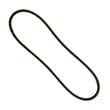
If you are dealing with auger engagement or slipping, inspect the auger belt 954-0430c (part number 754-0430) for glazing, cracking, or stretching.
Why it matters
Most snowblower failures start as basic maintenance issues. Fresh fuel practices and safe clog-clearing habits prevent no-start complaints, reduce chute jams, and help protect the auger and impeller from damage.
For model-specific operating, starting, and storage steps (including fuel system emptying for 30 days or longer), follow the 247888500 owner's manual.
Last updated: January 2026