


Does KitchenAid sell replacement parts?
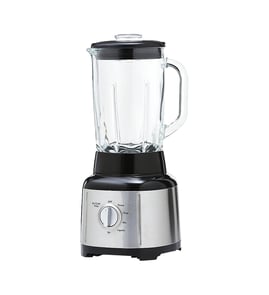
Yes. For your KitchenAid KSB4028BS0 blender, replacement parts are available, and we also stock common service parts so you can fix issues like slipping drive, leaking jar components, or a worn lid fit without replacing the whole blender.
What replacement parts are commonly available for this model
For the KSB4028BS0, these are some of the most frequently replaced items we see:
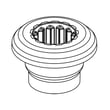
- Blender drive coupling W11627528 (helps transfer motor power to the jar)
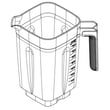
- Jar assembly W11433178 (complete jar when the jar, seals, or blade area is worn or leaking)
- Lid assembly W11752211 (restores a tight seal and proper fit)
- Electronic control W11580224 (for power, speed, or control issues)
- Motor W11433014 (for a seized, noisy, or non-running motor)
How to choose the right part (quick checks)
Use these quick symptoms to narrow down what you need:
| Symptom | Most likely area | Part to consider |
|---|---|---|
| Motor runs but jar does not spin | Drive connection | Blender drive coupling W11627528 |
| Leaks from jar area or jar is cracked | Jar components | Jar assembly W11433178 |
| Lid will not seal or pops off | Lid fit/seal | Lid assembly W11752211 |
| Buttons or dial act erratic | Controls | Electronic control W11580224 |
Why it matters
Using the correct, model-matched replacement part helps your KSB4028BS0 blend safely and consistently, prevents damage to the motor base, and avoids repeat failures caused by mismatched couplers, jars, or lids.
Last updated: February 2026
How to disassemble a KitchenAid blender blade?
On the KitchenAid KSB4028BS0 blender, we disassemble the blade only as part of servicing the jar bottom assembly; the blade is sharp and the jar can leak if it is reassembled incorrectly. For most blade-related issues (leaks, wobble, poor blending), replacing the complete jar assembly W11433178 is the most reliable fix.
Before you start (safety and setup)
- Unplug the blender base and remove the jar from the base.
- Empty the jar; rinse and dry the outside so it is not slippery.
- Wear cut-resistant gloves and use a towel to hold the blade area.
- Work over a towel or tray to catch small parts.
- If the jar has cracks or the blade is bent, stop and replace the jar assembly.
Typical disassembly approach (what to do)
Most KitchenAid-style jar bottoms use a reverse-thread fastener to keep the blade from loosening during operation. A common method is:
- Turn the jar upside down and stabilize it.
- Hold the blade/shaft from spinning (towel or a non-marring grip).
- Loosen the retaining fastener on the underside; many designs loosen by turning clockwise (reverse thread).
- Lift out the blade/shaft and sealing pieces in order, keeping track of the stack.
Reassembly checklist (to prevent leaks)
- Clean all mating surfaces; remove dried food film.
- Inspect the seal/gasket for nicks, flattening, or swelling.
- Reinstall parts in the exact order they came off.
- Tighten snugly; do not over-tighten (over-tightening can distort seals).
- Water-test the jar in the sink before blending.
Quick decision guide
| Symptom | Most likely cause | Best next step |
|---|---|---|
| Jar leaks from bottom | Worn/mis-seated seal or damaged jar bottom | Replace jar assembly W11433178 |
| Blade wobbles or is noisy | Worn bearing/shaft wear | Replace jar assembly W11433178 |
| Motor runs but blade does not spin | Stripped drive interface | Inspect/replace blender drive coupling W11627528 |
Why it matters
A blender blade assembly spins at high speed; a small sealing or alignment error can cause leaks into the base, damage the drive coupling, and shorten motor life.
Last updated: February 2026
Can I put my KitchenAid Blender in the dishwasher?
For KitchenAid model KSB4028BS0, some removable pieces are typically dishwasher-safe, but we recommend hand-washing the jar and lid first to protect seals and finishes and to extend part life. Never put the motor base in the dishwasher or submerge it.
What you can safely wash (and what you should not)
- Never dishwasher or soak: motor base, power cord, control knob area
- Usually OK to dishwasher (top rack preferred): lid and jar components (if fully removable)
- Best by hand: anything with gaskets, tight seals, or printed markings
Quick reference
| Blender piece | Dishwasher? | Best practice |
|---|---|---|
| Motor base | No | Wipe with a damp cloth only |
| Jar assembly | Sometimes | Hand-wash to protect seals |
| Lid assembly | Often | Top rack; avoid heated dry |
Fast hand-clean method (works for most blender jars)
- Rinse the jar right after use
- Add warm water plus a drop of dish soap
- Run the blender for 10 to 20 seconds, then rinse
- Use a soft bottle brush for stubborn residue
- Air-dry with the lid off to prevent odors
If you are replacing parts after dishwasher damage
Heat and harsh detergents can warp plastic, dull finishes, and shorten seal life. If your jar starts leaking, smells, or no longer seats correctly, replacement assemblies are often the most reliable fix.
- Consider replacing the jar assembly W11433178 if the jar leaks, is cloudy, or no longer locks in smoothly
- Consider replacing the lid assembly W11752211 if the lid no longer seals tightly or is misshapen
Why it matters
Dishwasher heat and detergent can gradually weaken sealing surfaces, which leads to leaks, poor blending performance, and extra strain on the drive system.
Last updated: February 2026
How to put pan guard on KitchenAid hand Blender?
A pan guard is an accessory for certain KitchenAid hand blenders, not for the KitchenAid KSB4028BS0 countertop blender. For KSB4028BS0, focus on correct jar and lid fit; if you are actually working on a hand blender, the pan guard snaps onto the blending arm using its mounting clips.
Quick steps (hand blender pan guard)
- Set the pan guard on a flat surface.
- Hold the blending arm at a slight angle.
- Hook one side of the blending arm under one mounting clip.
- Gently pull the other mounting clip outward.
- Press the blending arm down until both clips snap in securely.
- Tug lightly to confirm the guard is locked and does not wobble.
If you meant the KSB4028BS0 blender (common mix-up)
On the KSB4028BS0, there is no pan guard. These checks solve most “won’t seat” or “leaks/splashes” complaints:
- Confirm the jar is fully seated and aligned on the base.
- Make sure the lid is pressed on evenly all the way around.
- Inspect the jar rim and lid for food residue that prevents sealing.
- If the lid is torn, warped, or loose, replace the lid assembly W11752211.
- If the jar is cracked or the bottom interface is damaged, replace the jar assembly W11433178.
What to look for (symptom to likely fix)
| Symptom | Most likely cause | What to do |
|---|---|---|
| Splashing from the top | Lid not fully seated | Reseat lid; replace lid if loose |
| Leaking at jar | Jar damage or poor fit | Inspect jar; replace jar if cracked |
| Jar rocks on base | Misalignment or worn interface | Reseat jar; inspect jar/base contact points |
Why it matters
A properly attached pan guard prevents scratches on cookware and helps control splatter with a hand blender. On the KSB4028BS0 blender, a tight lid and an undamaged jar are what prevent leaks and keep blending safe and consistent.
Last updated: February 2026
Why does my KitchenAid blender leak?
A KitchenAid blender like model KSB4028BS0 usually leaks when the jar assembly is not sealing tightly, the lid is not seated, or the jar base area has wear or damage. In most cases, cleaning the sealing surfaces and correcting jar or lid fit stops the leak.
Quick checks that fix most leaks
- Stop blending and unplug the blender before handling the jar.
- Remove the jar and inspect the bottom and rim for cracks, chips, or warping.
- Reseat the lid and confirm it sits flat all the way around (a tilted lid can splash and look like a leak).
- Wash and dry the jar base area thoroughly; residue can prevent a tight seal.
- Tighten the jar components firmly by hand only; overtightening can distort sealing surfaces.
Where the leak is coming from (symptom guide)
| What you see | Most likely cause | What to do next |
|---|---|---|
| Drips from the bottom center of the jar | Jar assembly wear or damage | Replace the jar assembly W11433178 |
| Liquid running down the outside from the top | Lid not seated, overfilled jar, or heavy splashing | Reseat lid, reduce fill level, start on low speed |
| Leak appears only under load (ice, frozen fruit) | Excess vibration or poor coupling engagement | Check jar seating; inspect the blender drive coupling W11627528 |
| Intermittent seepage after washing | Moisture trapped in crevices | Air-dry fully before use |
Parts that commonly solve a leaking complaint
If the jar is cracked or the bottom seal area is worn, replacing the jar is the most reliable fix. If the jar is fine but the blender struggles to drive the blades smoothly, the drive coupling can contribute to vibration and seepage.
Why it matters
Leaks can let liquid reach the base, which can cause slipping, extra vibration, and premature wear on the motor drive area. Fixing the seal early helps protect the electronic control and motor.
Last updated: February 2026
Are KitchenAid blenders lifetime warranty?
No. KitchenAid blenders, including model KSB4028BS0, are covered by a limited time warranty, not a lifetime warranty. Warranty length and remedies vary by model and region, so the most accurate way to confirm coverage is to match your exact model and purchase date to the warranty terms.
What you can expect from a blender warranty
A limited warranty covers defects in materials or workmanship for a defined period; it does not cover normal wear, accidental damage, or misuse.
- Coverage is time-limited (not “for life”)
- Proof of purchase date is typically required
- Wear items and damage from misuse are commonly excluded
- The remedy is usually repair or replacement (per the warranty terms)
If you are troubleshooting a problem that feels “warranty-related”
If your KSB4028BS0 runs but does not blend well, slips under load, or makes a grinding sound, the issue is often a worn drive interface or jar connection. Replacing the failed component is the most direct fix when service is not being used.
- Inspect the blender drive coupling W11627528 for rounding, cracking, or looseness
- Check the jar seating and locking; a poor fit can mimic a drive failure
- Look for leaks or cracks; jar wear can cause slipping and poor blending
- Confirm the lid is fully installed; a damaged lid can cause spills and inconsistent results
Quick decision guide
| Situation | Best next step |
|---|---|
| You want to know if it is covered | Confirm warranty terms using your model number KSB4028BS0 and receipt date |
| Motor runs but blades do not engage | Inspect and replace the drive coupling if worn |
| Jar leaks, is cracked, or will not seat securely | Replace the jar assembly |
Why it matters
Knowing it is not a lifetime warranty helps you choose the right path: warranty service when you are within the coverage window, or a targeted parts repair (drive coupling, jar) when you are not.
Last updated: February 2026