Owner’s manual
 Error Codes




What are common problems with RF27T5501SR?
Common problems we see with the Samsung RF27T5501SR refrigerator include ice maker issues (no ice or no dispense), warm or inconsistent temperatures, water leaks, door closing problems, and unusual fan noise. For model-specific operating checks and control settings, use the RF27T5501SR owner's manual.
Most common symptoms (and what they usually point to)
- Ice maker not making ice: water supply issue, ice maker compartment too warm, or an ice path blockage
- Ice won’t dispense: jammed ice bucket, frozen chute, or auger drive problem
- Refrigerator too warm: airflow restriction, evaporator fan issue, or a temperature sensor problem
- Leaking water: clogged/iced drain system, loose water line, or filter housing leak
- Noisy operation: evaporator fan hitting ice buildup, fan motor wear, or normal defrost sounds
- Door won’t open/close smoothly: hinge alignment, door seal drag, or overloaded bins
Quick checks we recommend first
- Confirm settings: fridge around 37°F and freezer around 0°F.
- Make sure vents are not blocked by food packages.
- Check door seals for gaps and wipe the gasket clean.
- If you have a dispenser, dump the ice bin and break up clumps.
- Look for water under the crisper or freezer; that often indicates a drain issue.
Parts that commonly relate to these problems
| Symptom | Common part area | Example part for this model |
|---|---|---|
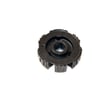
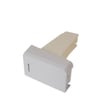
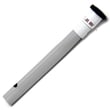
| Ice won’t dispense | Ice bucket/auger drive | Refrigerator auger motor assembly DA97-12540G |
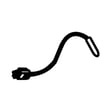
| Warm temps or temp swings | Temperature sensing | Refrigerator temperature sensor DA32-10104V |
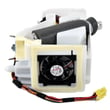
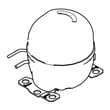
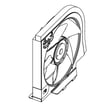
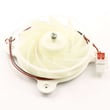
| Fan noise, poor cooling | Evaporator airflow | Refrigerator evaporator fan motor DA31-00287B |
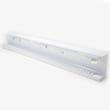
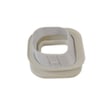
| Water puddles/leaks | Drain system | Refrigerator drain cap DA67-01301A |
Why it matters
Ice, temperature, and leak symptoms often share the same root causes: restricted airflow, ice buildup from a defrost or drain problem, or a weak fan. Catching those early helps protect food quality and prevents water damage.
Helpful DIY guidance
For step-by-step ice maker troubleshooting that matches common Samsung designs, use why your Samsung fridge stopped making ice and how to fix it.
Last updated: February 2026
What are the disadvantages of a bottom freezer?
Bottom-freezer refrigerators like the Samsung RF27T5501SR put fresh food at eye level, but the tradeoff is that frozen items sit lower and are usually stored in deep drawers. That design can mean more bending, more digging for items, and a higher upfront cost versus some top-freezer models.
Common disadvantages to expect
- More bending and squatting to reach frozen foods, especially items at the bottom of the drawer.
- Harder organization; food can get buried in stacked bins, so smaller items are easier to lose.
- Heavier lifting; large frozen items (roasts, bulk bags) may need to be lifted up from a low position.
- Kids can access the freezer easily, which can lead to frequent opening, messes, or temperature swings.
- Often higher purchase price than basic top-freezer refrigerators with similar capacity.
- Slightly more complexity (drawers, slides, icemaker components), which can mean more parts to maintain over time.
Bottom freezer vs top freezer: quick comparison
| Feature | Bottom freezer | Top freezer |
|---|---|---|
| Fresh food access | Easier (less bending) | More bending |
| Frozen food access | More bending | Easier |
| Organization | Deep drawers, can bury items | Shelves, easier to see |
| Typical cost | Higher | Lower |
Tips to reduce the downsides
- Use clear bins or labeled freezer baskets to prevent “buried food.”
- Keep everyday items in the upper freezer basket for faster access.
- Avoid overpacking; airflow and visibility both improve when the drawer is not stuffed.
- If ice issues are part of the frustration, follow the troubleshooting steps in why your Samsung fridge stopped making ice and how to fix it.
Why it matters
Most complaints about bottom-freezer designs come down to ergonomics and organization. If your household uses frozen foods daily, planning your freezer layout and keeping the drawer lighter makes the biggest difference.
For model-specific features and storage guidance, follow the layout and care recommendations in the RF27T5501SR owner's manual.
Last updated: February 2026
What is the lifespan of a Samsung refrigerator?
A Samsung refrigerator like model RF27T5501SR typically lasts 10 to 14 years. With consistent maintenance (cleaning coils, keeping doors sealing well, and fixing cooling or ice issues early), it commonly reaches the upper end of that range.
Typical lifespan and what affects it
Most modern refrigerators fall into a similar life range; what changes the outcome is how hard the sealed system and fans have to work day to day.
- Kitchen temperature and ventilation around the cabinet
- Door seal condition and how often doors are opened
- Dust buildup on condenser coils and fan areas
- Water quality and filter maintenance (for dispenser and ice maker)
- How quickly you address symptoms like warm temps, frost, or loud fan noise
Maintenance that adds years (high impact)
We recommend these habits for RF27T5501SR to reduce compressor run time and prevent common failures.
- Vacuum dust from the condenser area regularly (more often with pets)
- Keep vents inside the fresh food and freezer sections unblocked
- Confirm doors close fully and gaskets seal all the way around
- Replace water filters on schedule and flush air after changes
- Defrost and clear ice buildup if airflow gets restricted
| Maintenance item | How often (typical) | Why it matters |
|---|---|---|
| Clean condenser area | Every 6 to 12 months | Lowers heat load and compressor wear |
| Check door seals | Every 3 to 6 months | Prevents warm air leaks and frost |
| Verify temps | Monthly | Catches cooling drift early |
| Water filter care | About every 6 months (typical) | Protects water flow and ice quality |
Signs your refrigerator is nearing end of life
These symptoms usually mean the refrigerator is working harder than it should, which shortens lifespan.
- Temperatures swing even after adjusting settings
- Frost returns quickly after defrosting
- Fan noise increases or airflow seems weak
- Ice maker performance drops or stops repeatedly
- Water dispensing slows (after confirming filter and supply are OK)
Why it matters
A refrigerator that is running warm or struggling to move air uses more energy and puts extra strain on key components like the evaporator fan motor and compressor. Fixing airflow, sealing, and drainage issues early is the simplest way to extend service life.
For model-specific operating and care guidance, follow the RF27T5501SR owner’s manual. For ice-maker related longevity tips, use why your Samsung fridge stopped making ice and how to fix it.
Last updated: February 2026