Error Codes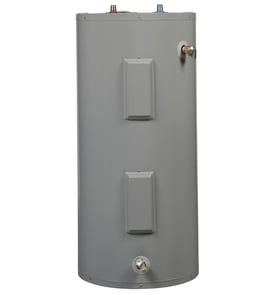



What are the most common issues with E6280H045D?
The most common problems we see with the American E6280H045D electric water heater are no hot water, not enough hot water, water that is too hot, and leaking at the drain valve or fittings. These issues usually trace to the heating elements, thermostats, or normal tank maintenance items.
Common symptoms and likely causes
- No hot water: tripped breaker, failed upper thermostat, failed upper heating element
- Not enough hot water: failed lower element, lower thermostat out of calibration, heavy sediment buildup
- Water too hot: thermostat set too high or thermostat contacts stuck closed
- Leaking from the bottom area: drain valve seepage, loose connections, or tank corrosion (tank issues require replacement)
- Popping or rumbling noises: sediment on the bottom of the tank overheating during a heat cycle
Parts that commonly fix these problems
If your symptoms point to a control or heating issue, these model-matched parts are the usual starting points:
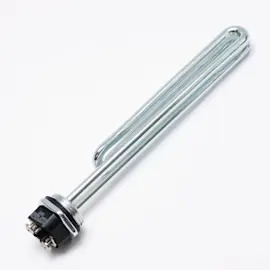
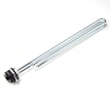
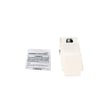
- Element 100108290 (heating performance issues)
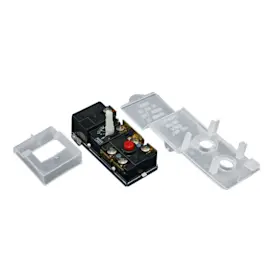
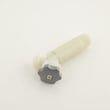
- Lwr t-stat 100108421 (not enough hot water)
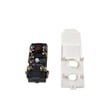
- Top t-stat 100108683 (no hot water or overheating)
- Drain valve 100109106 (slow leaks at the drain)
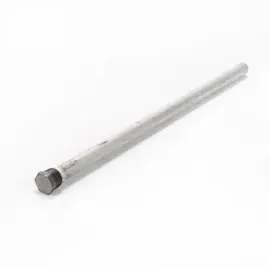
- Water heater anode rod 100110266 (odor, corrosion protection)
Quick checks we recommend (power and water safety first)
- Turn power OFF at the breaker before opening access panels or touching wiring.
- Confirm the breaker is on and wiring connections are tight and not heat-damaged.
- Check thermostat settings; most homes run best around 120°F.
- If you suspect a bad element or thermostat, test with a meter; see how to use a multimeter to test electrical parts video.
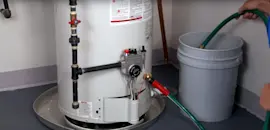
- If you have noise or reduced capacity, plan a tank flush and inspect the anode rod.
Symptom-to-part guide
| Symptom | Most common part to check | What it affects |
|---|---|---|
| No hot water | Top thermostat | Power routing to elements |
| Not enough hot water | Lower element or lower thermostat | Recovery and usable capacity |
| Water too hot | Top thermostat | Temperature control |
| Leak at drain | Drain valve | Sealing at drain outlet |
Why it matters
Electric water heaters like the E6280H045D rely on two thermostats and two heating elements to heat efficiently. When one component fails, you often still get some warm water, but capacity, recovery time, and safety can be affected.
Last updated: March 2026
What is the average cost of a 40 gallon electric hot water heater?
A 40-gallon electric water heater typically averages about $700 to $1,650 installed (unit plus labor). The tank alone is commonly $400 to $800, and installation often adds $300 to $1,000+, depending on features, local labor rates, and any plumbing or electrical updates needed.
Typical price breakdown (what you’re paying for)
- Basic 40-gallon tank: usually the lowest upfront cost
- Higher-efficiency or “smart” models: higher unit price, sometimes lower operating cost
- Installation labor: removal, hookup, testing, and code-required items
- Materials: fittings, shutoff valve, flex connectors, expansion tank (if required), pan, venting for a power vent unit (if applicable)
- Disposal/haul-away: sometimes billed separately
| Cost item | Typical range | Notes |
|---|---|---|
| 40-gallon electric tank (unit only) | $400 to $800 | Brand and warranty length drive price most |
| Professional installation | $300 to $1,000+ | Higher if access is tight or upgrades are needed |
| Total installed (common range) | $700 to $1,650 | Can be higher with code upgrades or repairs |
What can push the installed price higher
- Electrical work (breaker, wiring, disconnect, bonding)
- Plumbing updates (shutoff valve replacement, corroded piping, new connectors)
- Code items (expansion tank, seismic strapping, drain pan and drain line)
- Water conditions (heavy sediment can shorten element life and increase service needs)
Why it matters
A “cheap” water heater can cost more long-term if it needs frequent service. For an American water heater like model E6280H045D, budgeting for maintenance parts (heating elements, thermostats, anode rod) helps you plan for reliable hot water and a longer tank life.
Helpful DIY references
Last updated: January 2026
What is the life expectancy of an electric water heater?
Most electric tank water heaters, including American model E6280H045D, typically last 10 to 15 years. Lifespan depends most on water quality (hard water and sediment), temperature setting, and maintenance such as periodic tank draining and replacing the anode rod when it’s depleted.
Typical lifespan ranges
- Electric tank water heater: 10 to 15 years
- With excellent maintenance and mild water conditions: up to about 20 years
- Tankless electric water heater (for comparison): often 20+ years
| What affects lifespan | What you can do | What it helps prevent |
|---|---|---|
| Sediment buildup | Flush or drain the tank periodically | Overheating elements, reduced hot water |
| Corrosion inside the tank | Replace the anode rod when worn | Tank leaks and early tank failure |
| Overheating and cycling | Keep temperature set reasonably | Thermostat stress, element burnout |
| Leaky fittings/valves | Fix small leaks early | Rust, water damage, premature failure |
Signs your water heater is nearing end of life
- Rust-colored or metallic-smelling hot water
- Popping or rumbling noises (sediment on the bottom of the tank)
- Hot water runs out faster than it used to
- Water leaking from the tank body (not just a fitting)
- Frequent resets or inconsistent temperatures
Maintenance that extends life (and the parts that commonly wear)
- Inspect and replace the anode rod as needed; for this model, see the water heater anode rod 100110266.
- If you have slow draining or a leaking drain outlet, the drain valve 100109106 is a common service item.
- If recovery is slow or you get lukewarm water, a failed heating element is common; options listed for this model include element 100108290.
Why it matters
Once a tank starts corroding internally, repairs like elements and thermostats can restore heat, but they cannot stop a tank from eventually leaking. Preventive maintenance (especially the anode rod) is the most effective way to get the full expected service life.
Last updated: January 2026