Owner’s manual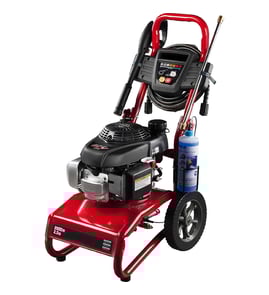



Can you put 87 gas in a pressure washer?
Yes. For the Craftsman pressure washer model 580752601, regular unleaded gasoline (87 octane) is the correct everyday fuel choice; use fresh gas and follow the fueling and storage steps in the owner's manual to prevent hard starting and fuel-system damage.
Fueling tips for model 580752601
- Shut the engine off and let it cool at least 2 minutes before removing the gas cap.
- Fill the tank outdoors and keep fuel away from sparks, flames, and heat sources.
- Do not overfill; leave room for fuel expansion.
- Use fresh gasoline; old fuel can cause starting and running problems.
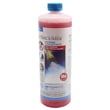
- If you will store it for more than 30 days, treat the fuel with an additive (per the manual) to reduce gum deposits.
What the manual says (key specs)
Here are model-specific specs that affect fueling and operation:
| Spec | Craftsman 580752601 value | Why it matters |
|---|---|---|
| Fuel tank capacity | 1.6 quarts | Helps prevent overfilling and spills |
| Water supply temperature | Max 100°F | Hotter water can damage the pump |
Is higher octane OK?
Higher octane (such as 89 or 93) can be used in many small engines, but it typically does not improve cleaning power or pressure. The best practice is to run the octane grade recommended in the owner's manual and focus on fuel freshness and proper storage.
Why it matters
Most “bad gas” pressure washer issues come from fuel that sits too long and forms deposits in the carburetor or attracts moisture (common with alcohol-blended fuels). Using fresh 87 octane and prepping the unit for storage helps the engine start easier and run more consistently.
Last updated: February 2026
Is it worth repairing a pressure washer?
Yes, repairing a pressure washer is usually worth it when the problem is a wear item (like a hose, nozzle restriction, or seals) and the engine and pump are still in good shape. For a Craftsman 580752601, repair is the smart choice when the fix is straightforward and restores safe, steady pressure.
Quick way to decide (repair vs. replace)
Use this checklist before you spend money on parts or labor:
- Repair if the issue is a leak, clogged nozzle/orifice, worn O-rings, or a damaged hose.
- Repair if the unit starts easily and runs smoothly, but pressure is inconsistent.
- Repair if you can complete the fix in under an hour with basic tools.
- Replace if the engine has low compression, severe knocking, or repeated no-start issues after basic tune-up.
- Replace if the pump housing is cracked or the pump has major internal damage.
- Replace if repair cost is close to half the price of a comparable new washer.
Common “worth it” repairs on this model
Many performance problems come from water-flow restrictions or leaks, not a failed pump.
| Symptom | Often caused by | Typical fix |
|---|---|---|
| Low pressure or surging | Clogged nozzle/orifice, inlet filter debris | Clean and backflush the nozzle; restore water flow (see owner's manual) |
| Water leaking at connections | Worn seals/O-rings, loose fittings | Replace seals/O-rings; tighten fittings |
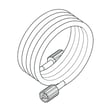
| Hose damage or bulges | Worn high-pressure hose | Replace the hose (use hose 84006753) |
Safety and cost notes that affect the decision
A repair is only “worth it” if it keeps the washer safe and reliable.
- We follow the manual guidance: never repair a high-pressure hose; replace it.
- Keep the spray nozzle 8 to 24 inches from the surface to reduce kickback and damage.
- Disconnect the spark plug wire before servicing.
Why it matters
A small leak or restriction can make a good pump look “bad,” leading to unnecessary replacement. Fixing the real cause often restores pressure, reduces strain on the pump, and helps your Craftsman 580752601 last longer.
Last updated: February 2026
What is a good PSI for a gas pressure washer?
A good PSI for a gas pressure washer depends on the jobs you plan to do. For typical home cleaning, 1,300 to 2,800 PSI covers most tasks; the Craftsman pressure washer model 580752601 is rated at 2600 PSI, which fits well for general residential use (driveways, siding, decks). See the owner's manual for the model’s full specifications and operating limits.
Quick PSI guide by task
- 1,300 to 2,000 PSI: cars, patio furniture, grills (lower risk of surface damage)
- 2,000 to 2,800 PSI: decks, fences, sidewalks, most home exterior cleaning
- 2,800 to 3,500 PSI: heavy concrete cleaning, paint prep (more technique required)
- 3,500+ PSI: commercial or frequent heavy-duty use
How your Craftsman 580752601 compares
| What you’re comparing | Typical home range | Craftsman 580752601 spec |
|---|---|---|
| Pressure (PSI) | 1,300 to 2,800 | 2600 |
| Flow rate (GPM) | 2.0 to 3.0 | 2.5 |
Why PSI is not the whole story
PSI is the “force,” but cleaning speed is strongly affected by GPM and the spray tip you use. A 2600 PSI washer at 2.5 GPM is a solid balance for home use, especially when you match the nozzle to the surface and keep a safe distance.
Tips to choose the right pressure safely
- Start with a wider spray pattern and increase only as needed.
- Keep the nozzle moving; lingering in one spot can etch wood and strip paint.
- Use the correct spray tip for the surface and soil level.
- Make sure your water supply is adequate; this model needs more than 3.5 GPM supply flow and at least 20 PSI at the washer end of the garden hose.
- Purge air from the pump before spraying at full pressure (per the starting steps in the manual).
For more setup and operating details, follow the owner's manual.
Last updated: February 2026