 Owner’s manual
 Error Codes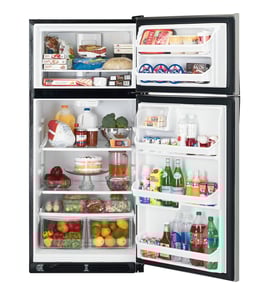


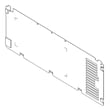
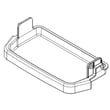
What is the upper part of a fridge called?
On the Criterion CTMR182WD1S top-mount refrigerator, the upper section is the freezer compartment (often just called the freezer). It’s the coldest area, designed to keep food frozen and, on some setups, it’s also where an optional ice maker mounts.
What we call the “upper part” on this model
In the CTMR182WD1S user manual, the top section is shown as the freezer area with common storage components.
Typical names you’ll hear:
- Freezer compartment: the full upper cooled space
- Freezer door bin: storage bin(s) mounted on the freezer door
- Ice tray: manual ice cube tray (if used)
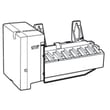
- Ice maker: optional accessory on some configurations
Quick terminology guide
| What you mean | Common name | Where it is |
|---|---|---|
| Upper section of the fridge | Freezer compartment | Top of the cabinet |
| Upper door storage | Freezer door bin | Inside the freezer door |
| Frozen food shelves | Freezer shelf / wire shelf | Inside the freezer |
Why it matters
Using the right term helps when you’re ordering replacement parts, checking temperature issues, or following instructions for accessories like an ice maker. For example, “freezer door bin” and “freezer shelf” are different parts even though they’re both in the upper section.
Related help for refrigerator basics
If you’re learning the names of common refrigerator components, our what are the main parts of a refrigerator article is a good reference.
Last updated: January 2026
What are the disadvantages of a top mount fridge?
Top-mount refrigerators like the Criterion CTMR182WD1S typically trade convenience for simplicity: the fresh-food section sits lower (more bending), freezer access is at eye level (less ideal for heavy items), and many models skip premium features like in-door ice and water. For model-specific features, check the CTMR182WD1S user manual.
Common drawbacks you may notice day to day
- More bending for fresh food: produce drawers and lower shelves are used constantly.
- Less “wide-open” organization than many bottom-freezer designs (fewer full-width pullout bins).
- Fewer built-in dispenser options: many top-mounts do not include an external water/ice dispenser.
- Smaller freezer usability: the top freezer can feel tighter for bulky boxes.
- Manual ice maker decisions: some units are “ice maker ready” but require a separate kit and water line.
CTMR182WD1S-SPECIFIC notes (what we can confirm)
The CTMR182WD1S documentation indicates the refrigerator is designed to use an ice maker, but the ice maker is not included and installation requires a household water supply connection. See the ice maker section in the CTMR182WD1S user manual.
| Feature area | Top-mount typical experience | What it means for you |
|---|---|---|
| Fresh-food access | Lower compartment | More bending and crouching |
| Freezer access | Upper compartment | Easier reach, but can be cramped |
| Ice features | Often optional | May need a kit plus water line |
| Premium extras | Less common | Fewer “built-in” convenience features |
If you are deciding between top-mount and other styles
A top-mount is usually a good fit when you want straightforward cooling, lower purchase cost, and fewer electronics. If you prioritize ergonomics and organization, a bottom-freezer or French door layout is often more comfortable.
Why it matters
The “disadvantages” are mostly about how often you access each compartment. Most households open the fresh-food section far more than the freezer, so the lower fridge position can be the biggest everyday annoyance.
Last updated: January 2026
Can I replace fridge parts myself?
Yes. With the Criterion CTMR182WD1S top-mount refrigerator, we can usually replace many non-sealed-system parts ourselves (like shelves/bins, door gaskets, light components, and some ice maker and water line items) using basic tools and careful safety steps. Sealed system repairs are best handled by a technician.
What you can typically DIY on CTMR182WD1S
We recommend starting with procedures and diagrams in the CTMR182WD1S user manual. Common DIY-friendly tasks include:
- Replacing or adjusting door bins, shelves, crisper drawers, and ice tray
- Replacing the interior LED lamp with a similar-spec LED lamp (as described in the manual)
- Installing an optional ice maker kit and routing the water line (the manual includes an ice maker installation section)
- Cleaning condenser area and checking for airflow obstructions
- Basic checks for loose wiring connectors on accessible components (with power unplugged)
Repairs to leave to a pro
Some repairs require specialized tools, refrigerant handling, or advanced diagnostics.
- Compressor replacement
- Refrigerant leaks or sealed system work
- Evaporator/condenser tubing repairs
- Electrical troubleshooting beyond simple connector checks
Quick DIY safety checklist
Before we touch anything, we follow these basics:
- Unplug the refrigerator before removing covers or accessing wiring
- Shut off the water supply before working on an ice maker water line
- Protect floors; keep towels ready for water line work
- Take photos of wire routing and screw locations before disassembly
- Use the correct replacement part for CTMR182WD1S (model match matters)
DIY difficulty guide
| Repair type | Typical tools | DIY difficulty |
|---|---|---|
| Shelves/bins/drawers | None | Easy |
| LED lamp replacement | Screwdriver | Easy |
| Door gasket replacement | Screwdriver, warm water/heat source | Medium |
| Ice maker water line hookup | Wrench, tubing tools | Medium |
| Compressor or sealed system | Specialized | Pro recommended |
Why it matters
Using CTMR182WD1S-SPECIFIC instructions helps prevent leaks, wiring mistakes, and repeat failures. It also saves time by confirming what your refrigerator is designed to accept (for example, optional ice maker setup and water line routing).
Last updated: January 2026
What are the most commonly replaced parts in a refrigerator?
The most commonly replaced parts on a refrigerator like the Criterion CTMR182WD1S are the ones that affect sealing, cooling airflow, defrosting, and ice or water functions. In day-to-day repairs, we most often see door gaskets, fans, defrost components, and ice maker or water-supply parts replaced.
Most common replacement parts (and what they fix)
- Door gasket (door seal): stops warm air leaks, reduces frost, improves cooling.
- Evaporator fan motor: restores airflow to the fresh food section when the freezer is cold but the fridge is warm.
- Condenser fan motor: helps the compressor shed heat; can reduce overheating and poor cooling.
- Defrost heater and defrost thermostat (bi-metal): addresses heavy frost on the evaporator and weak cooling.
- Thermistor or temperature control: fixes temperature swings, freezing in the fridge, or warm temps.
- Water inlet valve and water line fittings: common for leaks or ice maker not filling.
- Ice maker kit (if equipped/added): resolves no-ice issues when the unit is designed for an optional ice maker.
For model-specific component locations and ice maker add-on guidance, use the CTMR182WD1S manual.
Quick symptom-to-part cheat sheet
| Symptom | Parts commonly involved | What to check first |
|---|---|---|
| Frost buildup, warm fridge | Door gasket, defrost heater, defrost thermostat, evaporator fan | Door seal gaps; frost on back freezer panel |
| Freezer cold, fridge warm | Evaporator fan motor, air damper/diffuser | Listen for fan; check vents for blockage |
| Loud buzzing or clicking | Start relay/capacitor, condenser fan | Fan blade rubbing; compressor start attempts |
| Ice maker not making ice | Water inlet valve, ice maker kit, fill tube | Freezer temp; water supply on; fill tube frozen |
Why it matters
Replacing the right “high-wear” part first can restore cooling faster and prevent food spoilage. It also helps avoid repeat failures, like a new fan motor struggling against a frost-clogged evaporator.
Helpful DIY resources
- Six common refrigerator parts that you can replace yourself in 2023
- How to diagnose a faulty refrigerator water inlet valve
- Diagnosing refrigerator evaporator fan problems video
Last updated: January 2026
What is the most common repair on a refrigerator?
The most common refrigerator repair is fixing a cooling problem caused by airflow or defrost issues. On a Criterion top-mount like model CTMR182WD1S, we most often see dirty condenser coils, a failed evaporator fan motor, or a defrost system fault leading to warm temperatures or frost buildup.
Most common repairs we see (and what they look like)
- Dirty condenser coils: refrigerator runs a lot, weak cooling, warm cabinet sides
- Evaporator fan motor problems: freezer may still be cold but fresh food warms; little or no airflow
- Defrost system failures (heater, thermostat, sensor, or control): heavy frost on the evaporator cover; airflow gets blocked
- Door gasket leaks or door not sealing: moisture, frost, temperature swings, longer run times
- Compressor start components (start relay/capacitor): clicking, no cooling, compressor not staying on
For model-specific safety and access notes (including unplugging before service), follow the CTMR182WD1S user manual.
Quick checks before you replace anything
- Confirm the temperature controls were not bumped warmer.
- Make sure vents inside the refrigerator and freezer are not blocked by food.
- Clean dust from the condenser area and verify the condenser fan (if equipped) runs when the compressor runs.
- Check for a tight door seal using the paper test (paper should drag when pulled).
- Look for frost buildup on the freezer back panel (a strong clue of a defrost problem).
Symptom-to-likely-cause guide
| What you notice | Most likely area | Typical next step |
|---|---|---|
| Freezer cold, fridge warm | Evaporator fan or airflow blockage | Check fan operation and frost pattern |
| Frost wall in freezer | Defrost system | Diagnose heater/thermostat/sensor |
| Runs constantly | Dirty coils, door leak, airflow issue | Clean coils, check gasket and vents |
| Clicking, not cooling | Start relay/capacitor or compressor | Test start components |
Why it matters
Cooling problems usually get worse over time. Catching a dirty-coil issue or a failing fan early can prevent food loss and reduce strain on the sealed system (compressor and refrigerant circuit).
If you want a step-by-step overview of common fixes, use refrigerator common questions.
Last updated: January 2026
What is the most expensive part of a refrigerator to replace?
For the Criterion CTMR182WD1S top-mount refrigerator, the most expensive part to replace is typically the compressor (or another sealed system component tied to it). Sealed system work usually costs the most because it involves refrigerant handling, specialized tools, and longer labor time.
What usually drives the highest cost
Sealed system repairs are the priciest category on most refrigerators because the technician must access the refrigerant circuit and restore proper pressures and charge.
Common high-cost repairs include:
- Compressor replacement
- Refrigerant leak detection and repair
- Evaporator replacement (sealed system)
- Condenser replacement (sealed system)
- Electronic control board replacement (can be expensive, but often less than sealed system work)
For model-specific safety steps (such as unplugging the refrigerator before service), follow the CTMR182WD1S manual.
Cost comparison: sealed system vs. other repairs
| Repair category | Typical cost level | Why it costs more/less |
|---|---|---|
| Sealed system (compressor, leak, evaporator, condenser) | Highest | Refrigerant work, specialized equipment, longer labor |
| Electrical/control (control board, wiring, sensors) | Medium to high | Parts can be costly; diagnosis time varies |
| Mechanical/access items (fan motor, thermostat, door gasket) | Low to medium | More accessible; less specialized labor |
How we recommend deciding: repair vs. replace
Use these checkpoints before approving a major repair:
- If the estimate involves the compressor or refrigerant leak repair, get a written quote first
- Confirm basics before major work: door seal, airflow vents, and condenser coil cleanliness
- If cooling is weak, compare symptoms to common causes in refrigerator common questions
- If the refrigerator is older and needs sealed system work, replacement is often the better value
Why it matters
The compressor is the “heart” of the cooling system. When it fails, the repair can approach the cost of a new refrigerator because sealed system labor and refrigerant service are typically the biggest cost drivers.
Last updated: January 2026





