Owner’s manual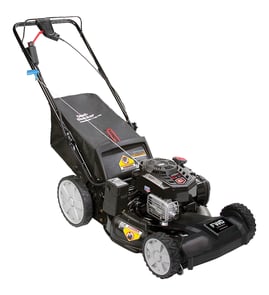




Is it cheaper to repair or replace a lawn mower?
For the Yard Pro Y160Y21R, it’s cheaper to repair when the problem is routine maintenance or a small wear part (blade, cable, fastener, belt service). Replacing the mower makes more sense when the repair is a major drivetrain or engine job that costs about half the price of a comparable new mower.
A simple cost rule we use
- Repair when the fix is typically under $100 to $200 (blade replacement, tune-up items, minor drive issues).
- Replace when a single repair is 50% or more of the mower’s replacement value.
- Replace when repeated small repairs keep stacking up each season.
What “repair” usually means on the Y160Y21R
The Y160Y21R owner's manual emphasizes safe, regular maintenance (blade care, cleaning, and using manufacturer-approved replacement parts). Common, cost-effective repairs include:
- Replacing a worn or bent blade (use an approved blade; blades are sharp, wear gloves)
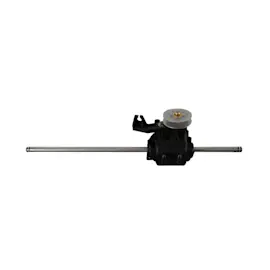
- Fixing a self-propel/drive issue by servicing the drive system (belt, gearcase area)
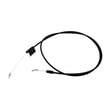
- Replacing a stretched or damaged control cable such as the lawn mower zone control cable 532191221
- Restoring cutting performance by cleaning the underside of the deck and checking oil and air filter
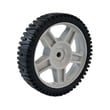
- Replacing damaged wheel hardware (dust cover, E-ring, washers) to stop wobble and uneven height
Repair vs. replace: quick comparison
| Situation | Usually best choice | Why |
|---|---|---|
| Blade is dull/bent, mower still runs well | Repair | Low parts cost; immediate cut-quality improvement |
| Mower is hard to push due to height or buildup | Repair | Often solved by height adjustment and deck cleaning |
| Drive system needs major assembly work | Depends on cost | If parts and labor approach 50% of replacement value, replace |
| Engine runs too fast/slow or needs internal work | Replace (often) | Engine service can be costly; manual directs engine speed issues to an authorized service center |
Why it matters
A mower that’s maintained (sharp blade, correct cutting height, clean deck, safe guards in place) cuts cleaner, bags better, and puts less strain on the engine and drive system. That reduces repeat repairs and helps you get full value from the Y160Y21R.
Last updated: February 2026
What does 160cc mean on a lawn mower?
On the Yard Pro Y160Y21R, 160cc means the engine’s displacement is 160 cubic centimeters. That number describes the total volume inside the engine cylinder(s) as the piston moves; in general, higher cc engines can deliver more torque for thicker grass and tougher mowing.
What “cc” tells you (and what it does not)
- It is engine size, not the mower deck size.
- It helps compare power potential between similar engine designs.
- It does not equal horsepower; horsepower varies by engine design and RPM.
- It does not guarantee performance if the blade is dull, the air filter is clogged, or the drive system is slipping.
Typical mowing expectations for a 160cc walk-behind mower
Most 160cc gas walk-behind mowers are a strong fit for routine residential mowing and moderate conditions.
| Yard / grass condition | What a 160cc mower typically handles well | What may require slower pace or extra passes |
|---|---|---|
| Regular weekly mowing | Normal grass height, average density | Wet grass or heavy clumping in the bagger |
| Thicker or taller grass | Moderate thickness with a steady pace | Overgrown grass, very dense weeds |
| Slopes | Light to moderate slopes (use safe footing) | Steep slopes (safety risk, traction limits) |
Why it matters
Engine displacement affects how easily your mower keeps blade speed under load. If your Y160Y21R bogs down, the fix is often maintenance (blade, airflow, fuel) rather than “needing more cc.” For operating and maintenance specifics (controls, adjustments, troubleshooting), use the Y160Y21R operator’s manual.
Quick checks if the mower struggles in heavy grass
- Sharpen or replace the blade (a bent blade should be replaced).
- Raise the cutting height and take a second pass.
- Mow when grass is dry.
- Check for drag in the drive system and wheels.
- Inspect common wear items like the lawn mower blade 532406712 if cutting quality is poor.
Last updated: February 2026
What is a good horsepower for a lawn mower?
A good horsepower depends on mower type and how hard you work it. For a walk-behind mower like the Yard Pro Y160Y21R, most homeowners do well with roughly 3 to 7 gross HP; thick, tall grass and bagging benefit from the higher end of that range. For operating tips and safe setup, use the Y160Y21R owner's manual.
Quick horsepower guidelines (by Yard size and conditions)
- Small, flat lawns (up to about 1/4 acre): ~3 to 5 HP
- Average lawns (1/4 to 1/2 acre): ~4 to 6 HP
- Thick grass, frequent bagging, or hills: ~5 to 7 HP
- Very large properties: consider a riding mower (typically much higher HP)
Why horsepower is not the whole story
Horsepower helps, but real cutting performance also depends on engine speed under load, blade condition, and how you mow. Our best results come from:
- Keeping the engine at FAST for most cutting and better bagging
- Raising cut height for the first pass in very tall grass, then cutting again lower
- Reducing the width of cut in extremely heavy grass
- Keeping the underside of the deck clean so airflow and discharge stay strong
What to check on your Y160Y21R
Use these quick checks to match performance to your Yard:
- Engine label/decal: identifies the engine maker and type (helpful when comparing specs)
- Blade condition: a dull blade tears grass and makes the engine work harder
- Drive system cleanliness: keep debris out from under the drive cover
- Wheel and height adjusters: make sure the mower rolls freely and height settings hold
| If you notice this | Choose/aim for this | Why it matters |
|---|---|---|
| Engine bogs in tall grass | Higher HP within walk-behind range | Maintains blade speed under load |
| Clumping when bagging | Higher HP and mow at FAST | Improves airflow and lift |
| Hard pushing on first pass | More HP or raise cut height first | Reduces load and overheating risk |
Why it matters
Choosing enough horsepower helps your Y160Y21R maintain blade speed, reduce stalling, and improve bagging and mulching results, especially in tall or wet grass.
Last updated: February 2026