Owner’s manual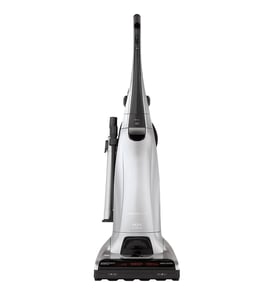


What is the highest rated upright vacuum cleaner?
There is no single “highest rated” upright vacuum because ratings change by test lab and by what you value most (pet hair pickup, carpet deep-cleaning, filtration, weight, noise). If you already own a Dyson DC24, the best “rating” you can control is performance: keep airflow clear, filters clean, and the brushbar free of debris using the DC24 owner's manual.
Most review scores for upright vacuums are driven by a few measurable factors:
- Suction and airflow (how well it lifts debris from carpet and hard floors)
- Brush roll performance (agitation and pickup, especially on carpet)
- Filtration (HEPA or sealed systems for allergens)
- Ease of use (weight, steering, hose reach, tool performance)
- Reliability and maintenance (clogs, belt/brush wear, bin and filter upkeep)
Use this checklist to match a “top rated” model to your home.
| If your priority is... | Look for... | Common tradeoff |
|---|---|---|
| Pet hair | Strong brush roll, good edge cleaning, pet tools | More hair wrap maintenance |
| Deep carpet cleaning | High agitation brush roll, strong suction | Heavier, louder |
| Allergies | HEPA filtration, sealed airflow path | Higher filter cost |
| Mixed floors | Brush roll on/off control | More settings to manage |
If your DC24 is not cleaning like it used to, these steps typically restore performance:
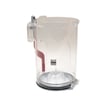
- Empty the clear bin before it reaches the MAX line (overfilling reduces airflow).
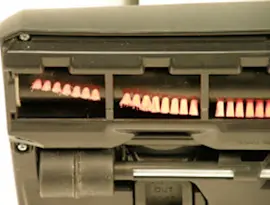
- Clear brushbar obstructions; the brushbar can shut off when blocked and may require a reset.
- Use the correct mode: the brushbar does not rotate when the machine is upright (tool mode).
- Switch OFF and unplug before maintenance (bin emptying, clearing the brushbar, changing tools).
For step-by-step handling, tool use, and brushbar obstruction clearing, follow the DC24 owner's manual.
“Highest rated” is only helpful if the vacuum matches your flooring and maintenance habits. A well-maintained upright (including your Dyson DC24) delivers stronger suction, better pickup, and fewer shutdowns from clogs or brushbar jams.
Last updated: February 2026
Is the Dyson DC24 any good?
Yes. The Dyson DC24 is a solid upright vacuum for everyday cleaning in smaller homes, apartments, or offices; it is easy to maneuver and can clean hard floors well. For larger spaces or lots of wall-to-wall carpet, most owners prefer a more powerful full-size upright.
- Compact, lightweight feel compared with many full-size uprights
- Good maneuverability for tight rooms and quick pickups
- Strong performance on hard floors when airflow is kept clear
- Brushbar protection: the brush can shut off if it gets obstructed (a common “safety” behavior)
- Deep carpet cleaning in large areas (more passes needed)
- Performance drops quickly if filters, hoses, or the brushbar area are clogged
- Normal wear items (belt, filter, brushbar) need periodic attention to keep it working its best
| Your home/needs | DC24 fit | Why |
|---|---|---|
| Small apartment, mixed flooring | Good | Easy handling and solid day-to-day cleaning |
| Mostly hard floors and rugs | Good | Brushbar and airflow maintenance keeps pickup strong |
| Large home, lots of thick carpet | Fair | Smaller upright design typically feels less powerful |
Most “this vacuum isn’t good” complaints come from airflow restrictions or a brushbar obstruction, not from the motor itself. Keeping the brushbar clear and the airflow path open is what preserves suction and carpet agitation.
- Switch off and unplug the DC24.
- Check for brushbar obstructions; if the brushbar shut off, remove debris and press the reset button afterward (see the owner's manual).
- Inspect the hose and air passages for clogs.
For step-by-step DIY help, use our vacuum repair-guides landing page.
Last updated: February 2026
How old is the Dyson DC24?
The Dyson DC24 upright vacuum was sold in the late 2000s; many units in homes today were purchased around 2008 to 2011, so a typical DC24 is roughly 15 to 18 years old as of February 2026. For your exact age, match the purchase date on your receipt to the model details in the DC24 owner's manual.
- Check your original receipt or order confirmation for the purchase date.
- Look for the serial number on the rating plate (behind the clear bin) and record it for your records.
- Compare your vacuum’s features and attachments to the diagrams in the manual.
- If you inherited the vacuum, estimate age by how long it has been in service plus typical storage time.
- Use age plus condition (suction, brush performance, cord condition) to decide repair vs. replace.
A DC24 can still clean well at this age, but wear items commonly need attention. The manual also calls out normal wear and tear parts such as the belt, filter, brushbar, hose assembly, and power cord.
- Reduced suction: check for clogs in the hose and air path; clean the bin and filters.
- Brush not spinning: clear hair and debris from the brushbar and reset if it shut off.
- Burning smell or loud noise: inspect the brush area for obstructions and belt wear.
- Shutting off during use: check for blockages and overheating conditions.
| If your DC24 has… | Usually makes sense to… | Why |
|---|---|---|
| Strong suction and only routine wear | Maintain and keep using it | Basic upkeep restores cleaning performance |
| Frequent brushbar jams or belt issues | Repair the power head | Brush and belt are common service items |
| Repeated shutoffs, electrical issues, or damaged cord | Consider replacement | Safety and reliability become the priority |
Knowing the approximate age helps us plan maintenance intervals and set expectations. A 15 to 18-year-old upright vacuum often needs deeper cleaning, clog checks, and replacement of normal wear parts to perform like it should.
Last updated: February 2026
What is the most common problem with the Dyson vacuum?
The most common problem we see with a Dyson DC24 upright vacuum is loss of suction caused by restricted airflow, usually from a blockage in the air path or a dirty filter. A close second is the brushbar shutting off when it gets jammed with debris.
- Empty the clear bin and make sure the cyclone is secured to the machine.
- Check for clogs in the wand, hose, and any air passages you can access.
- Inspect the brushbar area for hair, string, or carpet fibers wrapped around it.
- If the brushbar shut off, remove the obstruction, refit parts securely, and press the RESET button.
- Confirm you are using the vacuum indoors on dry surfaces only.
| Symptom | Most likely cause | What to do first |
|---|---|---|
| Weak or no suction | Blockage or dirty filter restricting airflow | Clear clogs; clean/maintain filters per the owner's manual |
| Pulsing or surging | Airflow restriction (partial clog) | Recheck for hidden clogs in hose and wand |
| Brushbar not spinning | Brushbar obstruction; brushbar safety shutoff | Clear debris; press RESET |
| Shuts off during use | Overheating from restricted airflow | Clear blockage; let it cool, then retry |
Restricted airflow makes the DC24 work harder, which reduces cleaning performance and can trigger protective shutoffs (like the brushbar stopping). Keeping the air path clear and the brushbar free of debris prevents repeat problems and helps the vacuum run cooler and more consistently.
- Use our vacuum not suctioning well troubleshooting steps for airflow and clog checks.
- If the brush stops, follow vacuum brush roll on spinning for common brushbar and belt-drive causes.
Last updated: February 2026