 Installation guide
 Owner’s manual



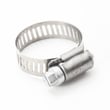


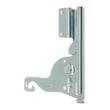
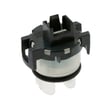
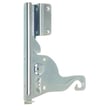

How to order GE appliance parts?
To order parts for your GE dishwasher model GDT535PSR3SS, we recommend starting with the model number from the tub wall label (just inside the door), then using that exact model number to match the correct replacement parts and diagrams. For model-specific operation details, use the GDT535PSR3SS owner’s manual.
- Find the model number label on the tub wall just inside the door.
- Write down the full model number exactly as shown: GDT535PSR3SS.
- Identify the symptom (for example: not draining, not cleaning, won’t start) so you can narrow the part category.
- Use the model number to look up the correct parts list and exploded-view diagrams.
- Confirm the part fits by matching the part name and position in the diagram to what’s on your dishwasher.
- Order the part and keep your receipt and packaging until the repair is complete.
| What to collect | Where to find it | Why it matters |
|---|---|---|
| Model number (GDT535PSR3SS) | Tub wall label inside the door | Ensures correct part compatibility |
| Serial number | Same label | Helps confirm production run details |
| Symptom description | What the dishwasher is doing | Points you to the right part group |
| Installation type | Hard-wired or power cord | Helps avoid ordering the wrong electrical items |
If your GDT535PSR3SS is showing an error condition or unusual beeping, we use the error code to guide the part selection (control, user interface, latch, drain components, etc.). Reference our GE dishwasher error codes to translate the code into likely causes.
Dishwashers often share similar-looking parts across a series, but small design changes can make a part incompatible. Using the exact GDT535PSR3SS model number is the fastest way to avoid returns and get your dishwasher running correctly.
Last updated: January 2026
Is it worth repairing a GE dishwasher?
Yes, repairing a GE dishwasher is usually worth it when the problem on your GE GDT535PSR3SS is isolated (drain, fill, leak, cleaning, or door-latch issues) and the total repair cost is well under the cost of replacing the unit. Replacement makes more sense when multiple major failures stack up.
GE model numbers can look very similar across a series, but parts and procedures can still differ. For repair decisions and troubleshooting steps, we base guidance on the GE GDT535PSR3SS documentation, including the GDT535PSR3SS owner’s manual.
- Repair if the dishwasher has one clear symptom (won’t drain, won’t fill, won’t start, poor cleaning).
- Repair if the tub is sound and you are not seeing repeated leaks or chronic electrical issues.
- Repair if the fix is maintenance-related (filters, loading, detergent choice, water temperature).
- Replace if you have repeated breakdowns in a short period.
- Replace if you are facing multiple high-cost electronic components at once (for example, control and user interface).
Most dishwashers last about 10 years. If your GDT535PSR3SS is under that age, repairs are commonly cost-effective, especially for mechanical items like a drain pump, water inlet valve, door latch, or spray arm.
| Situation | Usually best choice | Why it points that way |
|---|---|---|
| Not draining | Repair first | Often a clog, air gap/high drain loop issue, or drain pump problem |
| Dishes gritty or not clean | Repair or maintenance first | Filters and loading issues are common and low-cost |
| Not drying well | Repair or settings first | Cycle choice, rinse aid, and water temp often drive drying |
| Multiple control-related symptoms | Replace often | Electronics can push total cost close to replacement |
From the GE guidance for this series:
- Confirm incoming water is hot enough; the manual calls for at least 120°F for effective cleaning.
- Clean the filters periodically; GE notes about every other month as a baseline (more often with heavy use).
- Use automatic dishwasher detergent only; hand dish detergent can cause heavy sudsing and poor results.
- If your unit is newly installed or recently moved, verify drain setup (air gap or high drain loop) using the GDT535PSR3SS installation instructions.
A fast diagnosis can prevent unnecessary replacement. Many “bad dishwasher” complaints are actually maintenance, loading, or installation issues; fixing those first keeps repair costs low and restores performance.
Last updated: January 2026
What is the average lifespan of a GE dishwasher?
A GE dishwasher typically lasts 10 to 12 years. For your specific GE GDT535PSR3SS, that same 10 to 12-year average is the best expectation; heavy daily use, hard water, and skipped filter cleaning can shorten it, while consistent maintenance can extend it.
- Filter cleaning: clogged filters strain the wash system and reduce cleaning performance
- Water temperature: best cleaning starts with hot water (about 120°F at the tap)
- Detergent and rinse aid use: quality automatic dishwasher detergent plus rinse aid helps prevent buildup
- Loading habits: blocking spray arms or the detergent dispenser can cause poor results and extra wear
- Drain setup and clogs: air gap or drain loop issues can lead to repeated drain problems
| Task | How often | Why it helps |
|---|---|---|
| Clean the filter assembly | Every other month | Prevents grit, poor washing, and pump strain |
| Run a dishwasher cleaner or citric acid cycle | Monthly or as needed | Reduces mineral film and odors |
| Check the air gap (if you have one) | Any time it drains slowly | Prevents backups and standing water |
| Inspect door seal area | Monthly | Helps prevent leaks and protects the tub edge |
- Dishes stay gritty even after cleaning filters
- Repeated draining issues (standing water in the tub)
- Persistent leaks at the door or underneath
- Cycles get noticeably louder or performance drops
- Repairs start stacking up (pump, heater, control issues)
Knowing the typical lifespan helps you decide whether to invest in a repair or focus on maintenance. On the GDT535PSR3SS, simple care steps like filter cleaning and correct water temperature often prevent the problems that make dishwashers feel “worn out” early.
For cycle use, cleaning steps, and troubleshooting tips specific to this series, use the GDT535PSR3SS owner’s manual.
Last updated: January 2026
What is the best GE dishwasher to buy?
The “best” GE dishwasher depends on what you value most (quiet operation, drying, racks, or smart features). Your GE GDT535PSR3SS is in GE’s everyday lineup; it’s a solid choice for reliable cleaning, but it is not positioned as GE’s top-tier feature set.
When we help customers compare GE dishwashers, we focus on a few practical decision points:
- Noise level (dBA): lower is quieter; important for open floor plans
- Drying performance: look for heated dry and enhanced dry options
- Rack flexibility: adjustable upper rack, third rack (if included), and bottle-wash features
- Cycle options: heavy-duty, normal/everyday, 1-hour, sanitize/steam options
- Finish and cleaning: stainless vs fingerprint-resistant finishes, filter maintenance needs
For your model’s cycle and option basics, we recommend checking the GDT535PSR3SS owner’s manual.
| GE line | Best for | Typical tradeoffs |
|---|---|---|
| GE (standard) | Value, dependable everyday cleaning | Fewer premium rack and ultra-quiet upgrades |
| GE Profile | Quiet kitchens, more features, more cycle/option flexibility | Higher price |
| GE Café | Design-forward kitchens and premium features | Highest price, style-driven choices |
If you want a dishwasher that performs well day-to-day, prioritize these features first:
- A strong Normal/Everyday cycle plus a true Heavy/Heavy Duty option
- A drying boost option (heated dry or enhanced dry)
- Easy-to-clean filters and good loading layout
- A noise rating that fits your home
If you’re comparing based on controls or error displays, our GE dishwasher error codes reference can help you understand what different indicators mean across GE models.
Dishwashers can look similar on the outside, but the right match reduces rewashing, improves drying (especially plastics), and keeps cycle time and noise at a level you can live with.
Last updated: January 2026
What is the most common problem with a GE dishwasher?
For the GE GDT535PSR3SS dishwasher, the most common issues we see are draining problems (water left in the tub), “won’t start” complaints (door not fully latched or controls locked), and poor cleaning caused by clogged filters or low incoming water temperature. See the GDT535PSR3SS owner’s manual for model-specific troubleshooting steps.
- Won’t drain / water standing in the bottom: check the air gap (if you have one), disposer plug, drain hose kinks, and a proper high drain loop.
- Won’t start / stops mid-cycle: confirm the door is firmly closed, the wall switch (if used) is on, and Control Lock is off.
- Not cleaning well: clean the ultra-fine and fine filters, confirm spray arms are not blocked, and avoid blocking the detergent dispenser with tall items.
- Spots/film or poor drying: use rinse aid, verify water is hot enough, and select Heated Dry or Dry Boost (if available).
| Symptom | Most likely cause | Best first action |
|---|---|---|
| Water left in tub | Clogged air gap, disposer, or drain path | Clean air gap, run disposer, check drain hose routing |
| Lights on but won’t run | Door not latched, controls locked, power switch off | Re-latch door, unlock controls, verify power |
| Dishes gritty | Filter assembly clogged | Remove and rinse filters with warm soapy water |
| Poor drying | No rinse aid, low water temp, short cycle | Add rinse aid, run hot water first, use a longer cycle |
Drain, start, and cleaning complaints often come from maintenance and setup items (filters, drain routing, water temperature) rather than a major component failure. Fixing those basics first can restore normal wash performance and prevent repeat clogs.
Last updated: January 2026





