 Owner’s manual




What is the average lifespan of an LG dishwasher?
Most LG dishwashers, including model LDFN4542W, typically last 10 to 15 years with normal household use. Consistent cleaning, correct detergent and rinse aid use, and keeping water flow and drainage healthy are the biggest factors that push lifespan toward the high end.
What affects lifespan the most
- Filter and sump cleanliness: prevents recirculating debris that strains the wash system.
- Water quality and temperature: hot, consistent supply improves performance and reduces buildup.
- Rinse aid use: helps drying and reduces spotting; it also helps water sheet off dishes.
- Loading habits: avoid blocking spray arms and overpacking racks.
- Drain health: kinks or clogs force the drain pump to work harder.
Quick maintenance checklist (monthly and as-needed)
- Clean the filter area and remove food particles from the bottom of the tub.
- Run hot water at the sink before starting if the dishwasher is far from the water heater.
- Use rinse aid and adjust the setting if drying is weak (the manual notes increasing from the default can help).
- Inspect the drain path for restrictions (air gap or high loop, hose routing, disposer inlet plug).
- Watch for early symptoms: standing water, poor cleaning, or unusual pump noise.
Typical lifespan expectations (what to plan for)
| Item | Typical expectation | What usually ends it early |
|---|---|---|
| Dishwasher overall | 10 to 15 years | Poor maintenance, chronic leaks, hard-water scale |
| Racks and controls | Often mid-life repairs | Broken rack coating, moisture damage |
| Pumps and valves | Common wear items | Debris, clogs, running dry |
Why it matters
A dishwasher that is cleaned and supplied with consistent hot water runs shorter, drains better, and puts less stress on key components like the drain pump, water inlet valve, and control board. That directly translates into fewer repairs and a longer service life.
For model-specific care and settings (including drying and rinse aid guidance), follow the LDFN4542W owner's manual.
Last updated: February 2026
Can I replace dishwasher parts myself?
Yes. For the LG LDFN4542W dishwasher, many common repairs are DIY-friendly if you shut off power and water, use basic hand tools, and follow the safety and leak-check steps in the LDFN4542W owner's manual. For electrical and water-supply repairs, work carefully and test for leaks after reassembly.
Good DIY repairs vs. better left to a pro
Many customers successfully replace mechanical or access-easy parts; repairs involving wiring, controls, or water connections require more care.
| Repair type | Typical DIY difficulty | Examples for LDFN4542W |
|---|---|---|
| Cleaning and simple swaps | Easy | Spray arm, rack clips, drain hose routing checks |
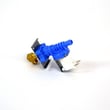
| Water and drain components | Medium | Dishwasher water inlet valve 5221DD1001E, drain hose, drain pump |
| Electrical and control issues | Medium to hard | Control panel, electronic control board, wiring checks |
Before you start (our must-do safety checklist)
- Turn off power at the breaker; do not rely on the door switch.
- Shut off the water supply valve under the sink.
- Wear gloves and safety glasses.
- Use new hoses when reconnecting to the water supply (do not reuse old hoses).
- After any repair, run a cycle and check for leaks at the water supply and drain hose connections.
- If you detect burning smell, smoke, or unusual sounds, stop and disconnect power immediately.
After the repair: verify operation and handle leaks
We recommend running a Turbo cycle to confirm proper operation. If you see a leak, cancel and drain the dishwasher, tighten connections, and retest until the leak is gone.
- Check the drain hose for kinks or pinches under the sink.
- Confirm the water inlet connection is snug and not cross-threaded.
- Make sure the dishwasher is fully enclosed and seated correctly in the cabinet.
- Reinstall the lower cover that came with the dishwasher (using other trim can contribute to noise or leakage).
Why it matters
Dishwashers combine electricity, hot water, and sharp metal edges. Following the manual’s safety steps and doing a careful leak check protects your kitchen, prevents repeat failures, and helps your LG dishwasher clean and drain correctly.
For troubleshooting that points you to the right system before you buy parts, use LG dishwasher error codes.
Last updated: February 2026
What is the most common problem with the LG dishwasher?
The most common issues we see with the LG LDFN4542W dishwasher are poor cleaning, not draining, and stopping mid-cycle. These problems usually trace back to clogged filters or spray paths, a drain restriction, or a door-latch related interruption; the LDFN4542W user manual helps match symptoms to the right checks.
Most common symptoms and what they usually mean
- Dishes still dirty or gritty: filters clogged, spray arm holes blocked, or water not hot enough
- Water left in the bottom: drain path restriction, kinked hose, or a failing drain pump
- Stops mid-cycle or won’t run: door not latching consistently, control sensing a fault, or a leak condition
- Excess suds: wrong detergent (hand dish soap) causing oversudsing
- Leak or “AE” style leak behavior: unit may run the drain pump intermittently until the leak condition is resolved
Quick checks we recommend first (no parts swapping)
- Clean the filters and remove any debris from the sump area.
- Inspect spray arms for clogged jets and clear them.
- Confirm proper detergent: use automatic dishwasher detergent only (no hand dish soap).
- Purge cold water from the hot line: run the kitchen hot water until it’s hot, then start the cycle (helps cleaning and drying).
- Check for obvious drain restrictions: look for kinks or pinches in the drain hose routing.
Parts that commonly solve these problems (when checks don’t)
| Symptom | Common suspect | Example part for LDFN4542W |
|---|---|---|
| Not draining | Drain pump or drain restriction | Dishwasher drain pump ABQ75742501 |
| Not filling or weak wash | Water inlet valve | Dishwasher water inlet valve 5221DD1001E |
| Stops mid-cycle | Door latch/lock not engaging | Dishwasher door lock AGM76209501 |
Why it matters
Poor cleaning and draining problems often start as simple maintenance issues (filters, spray paths, correct detergent). Fixing those early helps prevent repeat clogs, odors, and cycle interruptions, and it keeps wash temperature and drying performance more consistent.
For code-based troubleshooting, we use the LG dishwasher error codes guide to connect the displayed code to the most likely cause.
Last updated: February 2026
What if I can't find my part on Sears PartsDirect?
If you can’t find the part you need for your LG LDFN4542W dishwasher, we recommend confirming the full model number and then using the part diagrams and part lists in the LDFN4542W owner's manual. If it’s still not showing, our parts specialists can help you identify the correct replacement.
Quick checks that solve most “missing part” issues
- Match the model number exactly: LDFN4542W (letters and numbers matter)
- Check for a slash or revision on the rating label (for example, /00) and use the closest match
- Search by the part number if you have it (from the old part label or manual)
- Use the exploded-view diagrams to confirm the part’s location and name
- Try alternate keywords (example: “drain pump” vs. “pump assembly”)
Common parts customers look for on this model
If you’re troubleshooting a symptom, these are some frequently replaced dishwasher parts that may apply to the LDFN4542W:
| Symptom | Part to check | Example part on this model |
|---|---|---|
| Not draining | Drain pump, drain hose | LG dishwasher drain pump ABT72989206, dishwasher drain hose AEM74333104 |
| Not filling | Water inlet valve | Dishwasher water inlet valve 5221DD1001E |
| Won’t start or stops mid-cycle | Door lock, control board | Dishwasher door lock AGM76209501 |
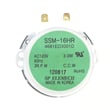
| Poor cleaning | Spray arm, diverter | LG dishwasher spray arm, lower AGB73932401, dishwasher diverter motor 4681ED3001D |
Why it matters
Dishwasher parts are often model- and revision-specific; using the exact LG model number and confirming the part number prevents ordering a look-alike part that won’t fit, won’t connect correctly, or won’t resolve the problem.
Last updated: February 2026





