
What are the essential boiler parts?
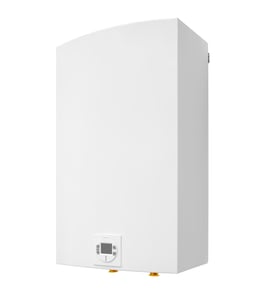
For the Kenmore 229964451 gas-fired boiler, the essential parts are the components that safely create heat, move that heat into the water, control pressure and temperature, and protect the system from overpressure. Two key safety and monitoring items we commonly replace are the pr gauge 1260006SP and the relief valve.
- Burner assembly: mixes gas and air and ignites to create heat
- Heat exchanger (boiler sections): transfers heat from combustion into the boiler water
- Gas valve and ignition controls: regulate fuel flow and manage safe ignition
- Circulator pump: moves hot water through the heating loop (baseboards, radiators, etc.)
- Expansion tank: absorbs water expansion as it heats to stabilize system pressure
- Air vent/air separator: removes trapped air that can cause noise and poor circulation
- Safety and monitoring devices: pressure/temperature gauge, relief valve, limit controls
These parts help prevent damage and unsafe pressure conditions.
| Part | What it does | Common symptom when failing |
|---|---|---|
| Pressure/temperature gauge | Shows system pressure and temperature | Readings stuck, inaccurate, or fogged lens |
| Relief valve | Opens to release excess pressure | Dripping/discharge, frequent blow-off, corrosion |
- If the boiler is leaking from a discharge pipe, focus on the relief valve and system pressure causes.
- If you are diagnosing pressure problems, start by confirming the gauge is accurate.
- If you have no heat or uneven heat, circulator, air removal, and controls are common suspects.
- If you hear banging or gurgling, air venting and circulation issues are likely.
- If the boiler short-cycles, look at limit controls, flow, and heat transfer.
Boiler parts work as a system. A bad gauge can hide a true overpressure condition, and a weak relief valve can create chronic leaking. Keeping the safety devices and circulation components in good shape protects the heat exchanger, piping, and your home.
Last updated: February 2026
What are the parts of a boiler burner?
A boiler burner on the Kenmore 229964451 gas-fired boiler is the assembly that mixes fuel and air, ignites it, and stabilizes the flame so the heat exchanger can transfer heat to the water. Exact burner design varies by style, but the core components and their jobs are consistent.
- Burner head or burner tube: shapes and distributes the flame.
- Gas valve: opens and regulates gas flow to the burner.
- Ignition system (spark igniter or hot surface igniter): lights the burner.
- Flame sensor: proves flame is present; shuts gas off if flame is lost.
- Air intake and mixing area (venturi/mixer): blends combustion air with gas.
- Manifold and orifices: meters gas into each burner port.
- Draft hood or inducer (if equipped): helps move combustion gases into the vent.
| Component | Primary job | Common symptom when failing |
|---|---|---|
| Gas valve | Controls gas flow | No heat, burner never lights |
| Igniter | Lights the gas | Clicking/no glow, no ignition |
| Flame sensor | Confirms flame | Lights briefly then shuts off |
| Orifices/manifold | Meters gas evenly | Uneven flame, delayed ignition |
These are not “burner parts,” but they protect the boiler if pressure or temperature rises too high:
- Relief valve (temperature and pressure safety relief)
- Pr gauge 1260006SP (temperature and pressure gauge)
Knowing the burner parts helps you troubleshoot safely: ignition and flame-proving issues point to the igniter or flame sensor, while uneven flames often point to air/fuel mixing or orifice problems. For gas-fired boilers, we recommend having a qualified technician handle combustion adjustments and gas-train service.
Last updated: February 2026
What is the average lifespan of 229964451?
A Kenmore gas-fired boiler like model 229964451 typically lasts 15 to 25 years with proper annual service, correct water pressure, and prompt repair of leaks or overheating. Replacing wear items early (like a pressure gauge or relief valve) helps protect the heat exchanger and controls.
- Water quality and corrosion control: oxygen in the system, frequent fresh-water makeup, and sludge shorten life.
- Operating pressure and temperature: chronic overpressure or short-cycling increases stress.
- Maintenance: annual combustion check, cleaning, and safety control testing extend life.
- System leaks: even small leaks accelerate corrosion and can damage components.
- Venting and combustion air: poor draft or restricted air can cause sooting and overheating.
| Situation | Usually makes sense to | Why |
|---|---|---|
| Boiler is under ~15 years and otherwise solid | Repair | Most failures are controls, gauges, or valves |
| Repeated leaks from the boiler block/heat exchanger | Replace | Core component failure ends service life |
| Relief valve weeping or lifting often | Diagnose and repair | Often tied to pressure, expansion tank, or valve wear |
| Pressure readings seem wrong | Replace gauge | Bad readings can lead to unsafe operation |
If you are seeing pressure issues, inaccurate readings, or discharge from the safety outlet, these model-matched parts are common starting points:
- Pr gauge 1260006SP (system pressure indication)
- Relief valve 8840 (overpressure safety protection)
A boiler near the end of its lifespan is more likely to develop leaks, efficiency loss, and safety-control problems. Keeping pressure and safety devices working correctly helps your Kenmore 229964451 run reliably and reduces the risk of damage to the boiler and hydronic system.
Last updated: March 2026